How Do I Order 1,000 Custom Lanyards With a Logo?
Need to order lanyards for a trade show but feel overwhelmed? Choosing the wrong specs can result in a cheap-looking product that damages your brand's image.
To order 1,000 custom lanyards, first finalize your design: material, width, and print method. Then, prepare a vector file of your logo, choose your attachments, and find a reliable supplier to provide a detailed quote and a pre-production sample.
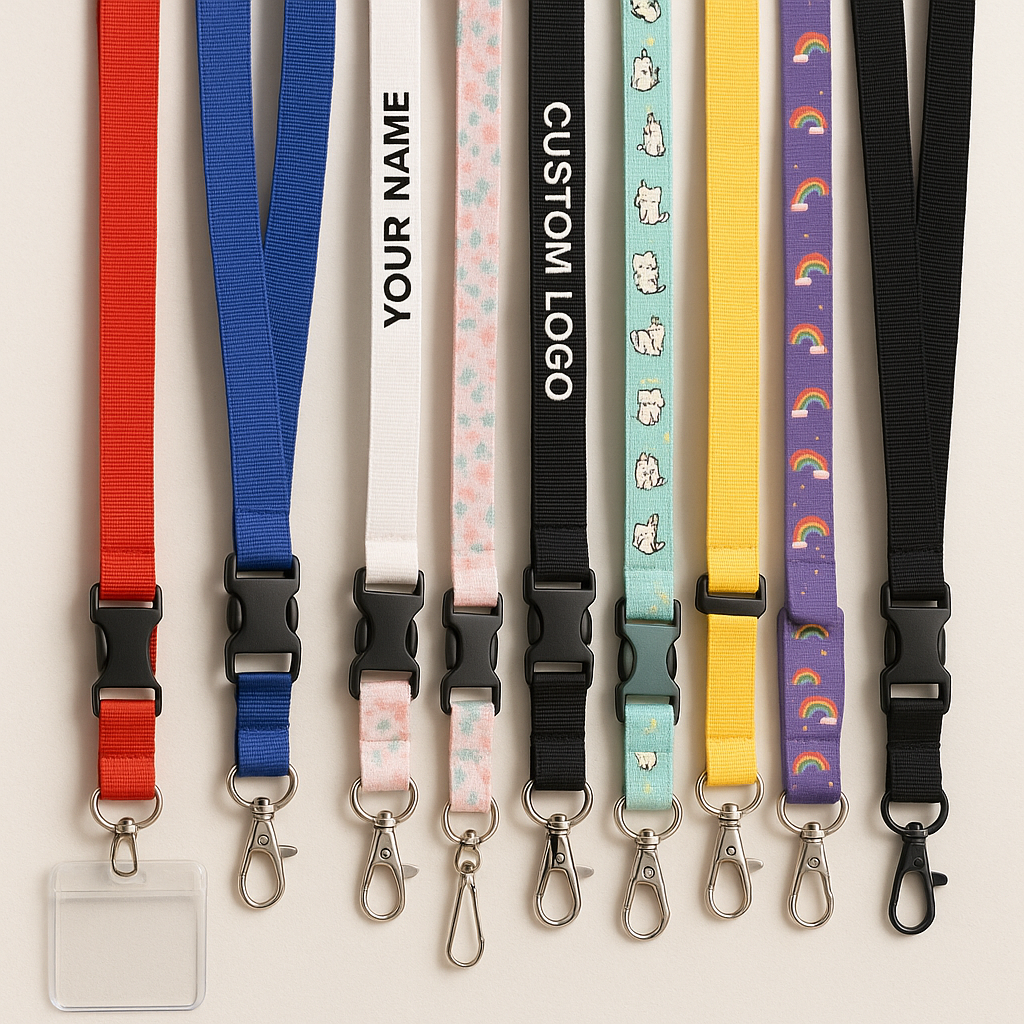
As a designer, I've sourced thousands of promotional items, from dog bandanas to branded lanyards for client events. The process seems complex, but it boils down to making a few key decisions upfront. Breaking it down step-by-step ensures you get exactly what you envision, on time and on budget. Let's start with the design choices.
What Key Design Decisions Do I Need To Make First?
Confused by options like polyester vs. nylon or screen print vs. dye sublimation? The wrong choice can make your logo look faded or feel cheap to the touch.
First, choose the material (polyester is the standard), width (5/8" or 3/4" is common), and print method. Dye sublimation is best for complex, multi-color logos, while screen printing is great for simple, 1-2 color designs.
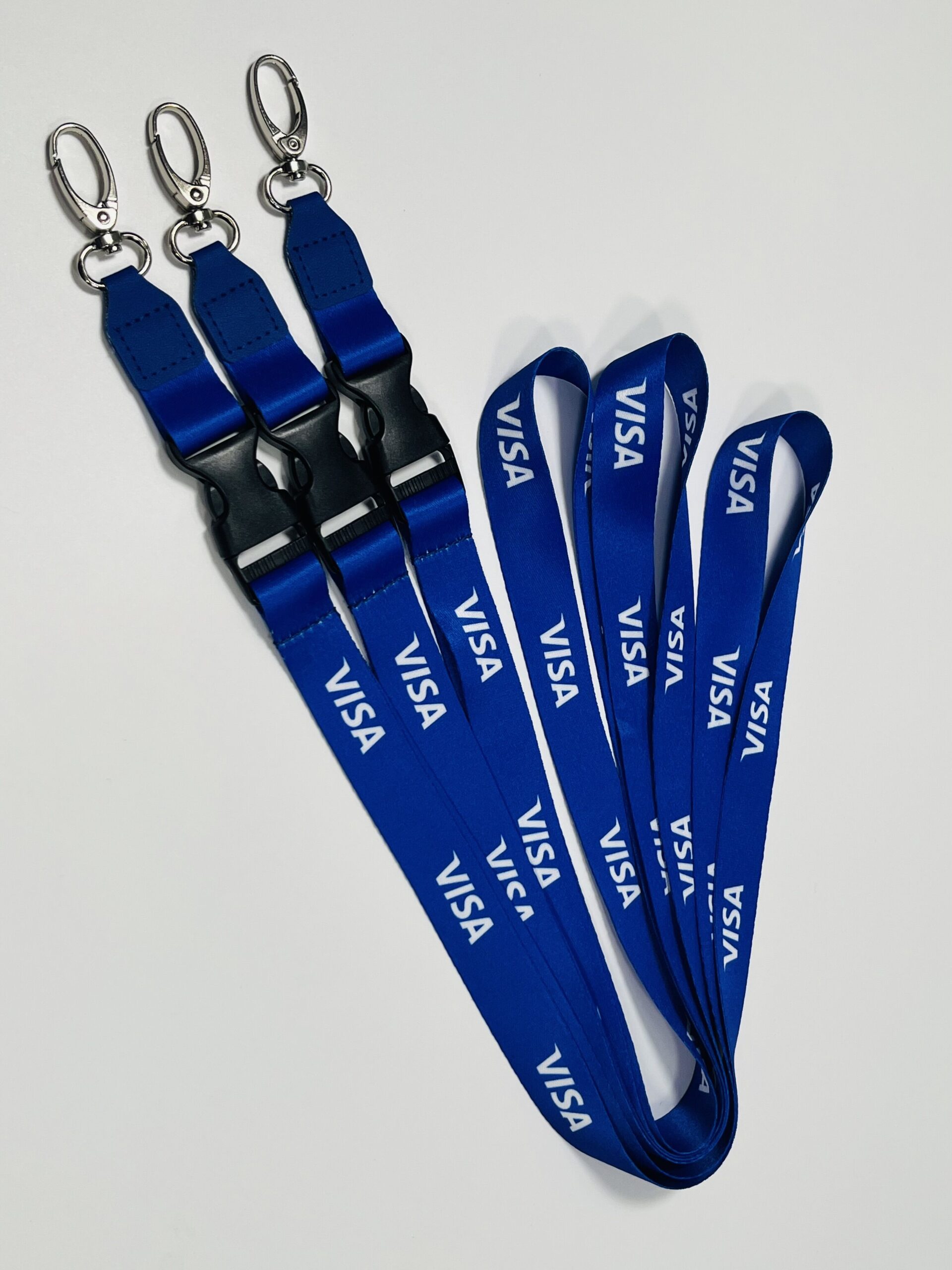
This is the foundation of your product. Getting these three things right saves a lot of back-and-forth with suppliers. It's just like when I design a new dog leash; the choice of webbing material and how the branding is applied dictates the entire look, feel, and price point of the final product. Your lanyard is a small but important representation of your brand, so making these decisions with intention is key. It's the difference between a lanyard people throw away and one they keep and use.
Material & Width
Think of the material as the canvas for your logo. The most common and cost-effective choice is flat polyester.
| Material | Feel | Best For |
|---|---|---|
| Polyester | Smooth, durable, slightly shiny | The industry standard; great for most logos and budgets. |
| Nylon | Thicker, shinier, more premium | High-end events where a silky feel is important. |
| Woven | Textured, classic, very durable | Designs where the logo is stitched in, not printed on. |
For width, 3/4" (20mm) is the sweet spot—not too wide, not too narrow, and provides a great canvas for your logo.
Print Method
This choice depends entirely on your logo's complexity.
| Print Method | How it Works | Best For |
|---|---|---|
| Screen Print | Ink is pushed through a screen onto the material, creating a slightly raised layer. | Simple, bold, 1-2 color logos. Cost-effective for large runs. |
| Dye Sublimation | Heat-transfer process that infuses ink into the fabric fibers. The surface remains smooth. | Complex, multi-color, or photorealistic logos with gradients. |
If you have a simple, one-color logo, screen printing is great. If you have any gradients, multiple colors, or fine details, you must choose dye sublimation.
How Do I Prepare My Logo File For The Best Print Quality?
Ever sent a logo to a printer and gotten a blurry, pixelated result? A bad file type can ruin your entire order, wasting your time and money.
You must provide your logo in a vector file format, such as .AI (Adobe Illustrator), .EPS, or .SVG. Vector files can be scaled to any size without losing quality, ensuring a crisp, clean print every time.

This is the most common and easily avoided mistake I see people make when ordering custom products. They send a screenshot or a low-resolution .JPG file they pulled from their website. This is a recipe for disaster. A vector file is not an image made of pixels; it's made of mathematical lines and curves. Think of it as a set of instructions that tells the printing machine exactly how to draw your logo, perfectly, at any size. Insisting on using a vector file is a non-negotiable part of my design process, whether I'm working on a complex dog harness or a simple lanyard.
Vector vs. Raster
This is a fundamental concept in production design.
- Raster Files (
.JPG,.PNG,.GIF): These are made of a fixed grid of pixels. They are great for photos on websites, but when you try to enlarge them for printing, they become blurry and "pixelated." - Vector Files (
.AI,.EPS,.SVG): These are made of points, lines, and curves. Because they are based on formulas, you can scale them from the size of a postage stamp to the size of a billboard with zero loss in quality.
Color Matching with Pantone (PMS)
If your brand's color accuracy is critical, you need to provide Pantone (PMS) color codes. Your screen shows colors in RGB, and printers use CMYK, which can lead to color shifts. A PMS code is a universal reference that tells the factory the exact ink formula to use, ensuring your "brand blue" doesn't arrive looking like "sky blue."
What Attachment Options Are Most Common and Useful?
The clip on a lanyard seems like a small detail, but it's the most functional part. Choosing a cheap or flimsy clip can lead to frustration and lost badges.
The most common and reliable attachment is the metal J-hook or the thumb trigger hook. For added safety and convenience, always add a breakaway release at the back of the neck.

When I design any product, especially in the pet industry, safety is my number one priority. The same thinking applies here. A lanyard worn in a busy environment or around machinery absolutely needs a breakaway release. This is a small plastic clip, usually placed at the back of the neck, that will snap open if the lanyard gets caught or pulled forcefully. It's a simple feature that prevents a serious safety hazard. While there are dozens of fancy clips, the simple, sturdy ones are often the best. They are less likely to break and are easy to use with one hand.
Must-Have Attachments
Here's a breakdown of the essentials.
| Attachment | Function | Why You Need It |
|---|---|---|
| Main Clip (J-Hook, Trigger Hook) | Holds the ID badge or keys. | The J-hook is standard and cheap. The thumb trigger hook is a step-up in quality and ease of use. |
| Breakaway Release | A safety feature that snaps open under force. | This is non-negotiable. It prevents the lanyard from becoming a choking hazard. Most events and workplaces require it. |
| Detachable Buckle (Optional) | Allows the bottom part of the lanyard to be detached. | A "nice-to-have" feature. It's useful for easily swiping an access card or using keys without taking the whole lanyard off. |
Don't try to save a few cents by skipping the breakaway release. The safety and liability implications are not worth the tiny cost savings.
How Do I Find a Reliable Supplier and Get a Clear Quote?
You've got your specs, but now you have to find someone to actually make the lanyards. How do you find a good supplier and avoid getting ripped off or receiving a poor-quality product?
Start by searching on platforms like Alibaba for "custom lanyard manufacturer." Vet suppliers by checking their reviews, transaction history, and response time. Then, send a detailed request for quotation (RFQ) to your top 3-5 choices.
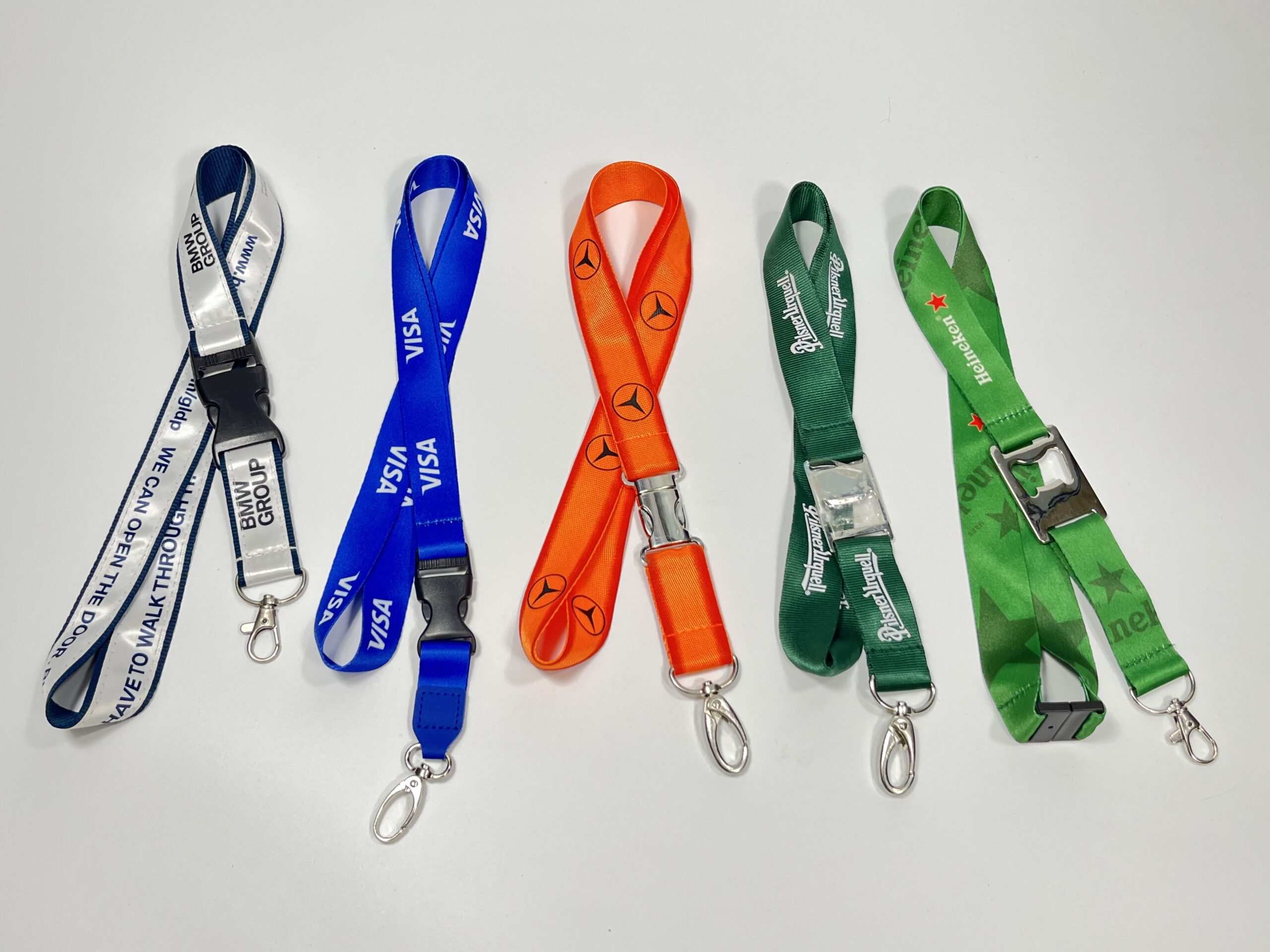
Finding a good manufacturing partner is the most important part of my job. Whether it's for a complex dog product or a simple promotional item, the principles are the same. A good supplier communicates clearly, asks questions, and provides a detailed quote. A bad supplier gives vague answers and suspiciously low prices. Your RFQ is your first test of a supplier. The more detailed your request, the more professional the responses you'll receive. This process helps you filter out the factories that aren't serious or can't meet your quality standards.
Crafting Your Request for Quotation (RFQ)
To get an accurate quote, you must provide clear information. Copy and paste this into an email:
- Product: Custom Lanyard with Logo
- Quantity: 1,000 units
- Material: Flat Polyester
- Lanyard Color: [e.g., White, or specify PMS code]
- Dimensions: 3/4" (20mm) Width x 36" (900mm) Length
- Print Method: [Screen Print or Dye Sublimation]
- Logo: [Attach your vector file here - .AI or .EPS]
- Logo Colors: [Specify PMS codes for your logo colors]
- Attachments: Metal Thumb Trigger Hook, Safety Breakaway Release, Detachable Buckle
- Delivery Destination: [Your City, State/Province, Country, Postal Code]
- Request: Please provide a quote for the product, a separate quote for shipping, and an estimated production lead time. Also, confirm the cost and time for a pre-production sample.
Always, always get a pre-production sample. This is a single, finished lanyard sent to you for approval before the factory starts the full 1,000-unit run. It's your last chance to catch any mistakes.
Conclusion
Order 1,000 lanyards by defining your specs, providing a vector logo, choosing safe attachments, and sending a detailed RFQ to multiple suppliers. Always approve a sample before mass production.