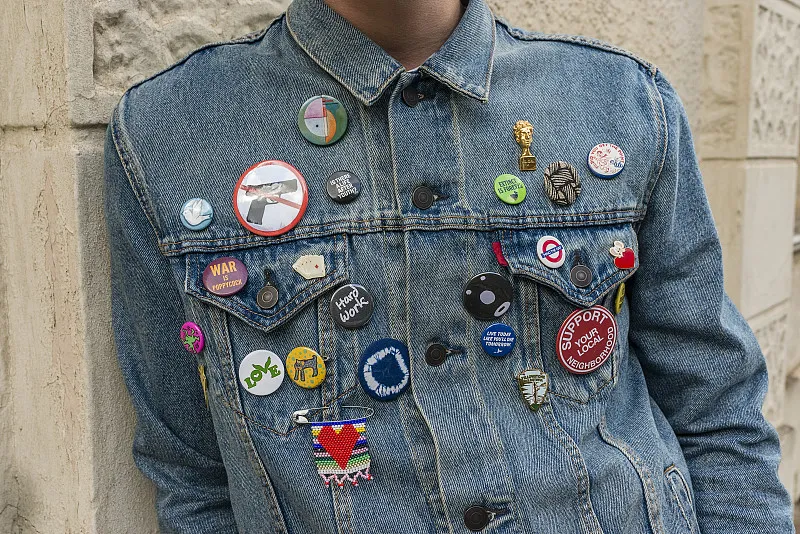
You want to create cool branded merchandise, but just printing a logo feels boring. You see other brands with amazing custom patches and wonder how they create such a strong identity.
Start by choosing a patch type (like embroidered, PVC, or leather) that fits your brand's style. Then, create a compelling design that people would want to wear. Finally, select the right application method—sew-on for durability or Velcro for versatility—for your specific products.
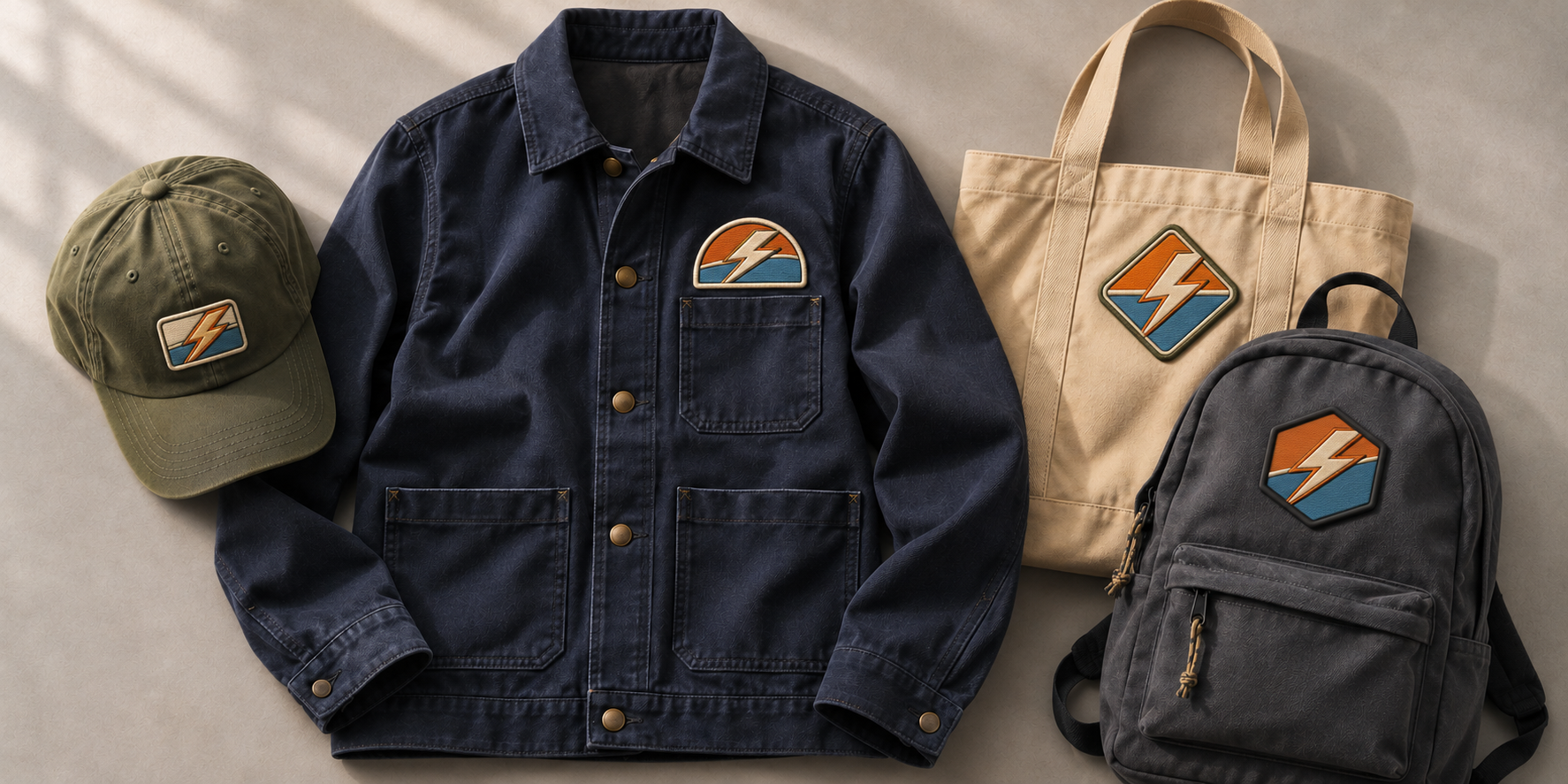
This sounds like a simple formula, but the magic is in the details. The type of patch, the artwork, and how you attach it can make or break your collection. A great patch turns a simple hat into a statement piece; a bad one can make a premium jacket look cheap. I've guided many brands through this process, and it all comes down to making deliberate choices that tell your brand's story. Let's dive into how you can do it right.
What Patch Type is Right for Your Brand's Vibe?
You are ready to order patches, but the factory options are overwhelming. Embroidered, PVC, woven, leather... choosing the wrong one can cheapen your product and misrepresent your brand’s image.
Choose embroidered for a classic, textured look. Use PVC for a modern, rugged, and waterproof style. Woven patches are best for designs with intricate text and sharp details. Leather offers a premium, timeless feel, perfect for high-end goods like jackets and bags.
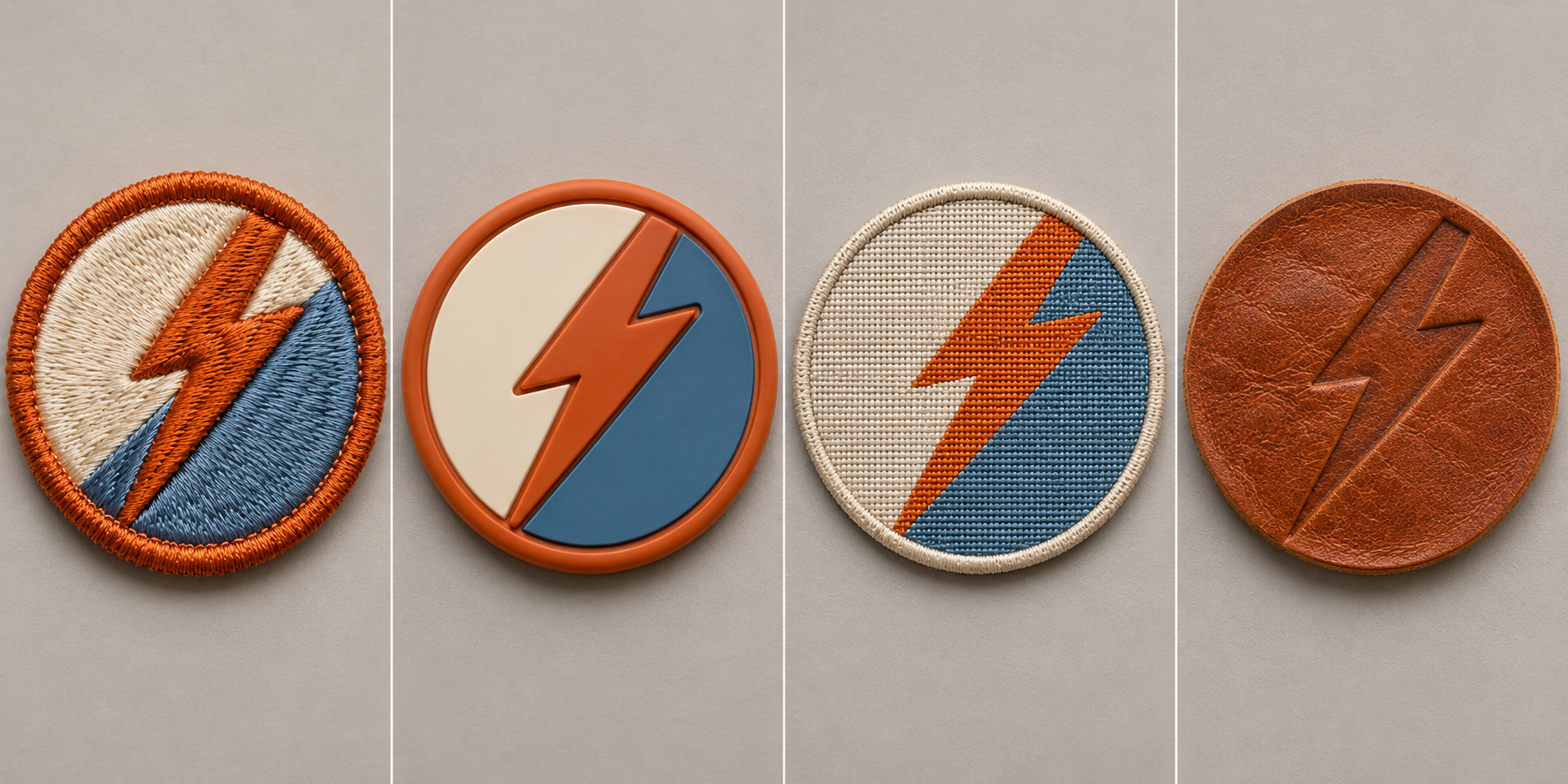
I always tell my clients that the material itself is part of your brand's messaging. A patch is a tactile piece of your brand, and the material choice should be intentional. It’s the first thing people will notice and touch, so it needs to align with the quality and feel of both the product it's on and your brand as a whole. A rugged PVC patch is perfect for a durable backpack, but it would look out of place on a soft beanie.
Material Tells a Story
Your choice communicates your brand's identity before anyone even reads the text. Is your brand classic and heritage-inspired? Go with embroidery or leather. Is it modern, technical, or built for the outdoors? PVC is your best bet. This decision is fundamental and sets the tone for your entire collection.
| Patch Type | Best For | Vibe | Detail Level |
|---|---|---|---|
| Embroidered | Hats, jackets, classic logos | Traditional, Versatile | Good |
| PVC / Rubber | Bags, outdoor gear, modern logos | Modern, Rugged, Tactical | Excellent (3D) |
| Woven | Intricate designs, fine text | Sharp, Professional, Clean | Highest (Flat) |
| Leather | High-end goods, rustic branding | Premium, Timeless | Good (Embossed) |
How Do You Design a Patch That People Actually Want to Wear?
You have a logo, but it does not look good as a patch. It feels forced, and you are worried no one will want to wear a hat that looks like a walking advertisement.
Design your patch as a standalone piece of art, not just a logo slap. Use strong shapes, a limited color palette, and clear typography. Create a design so cool that customers would want it even if they didn't know your brand. That is how you build true brand loyalty.
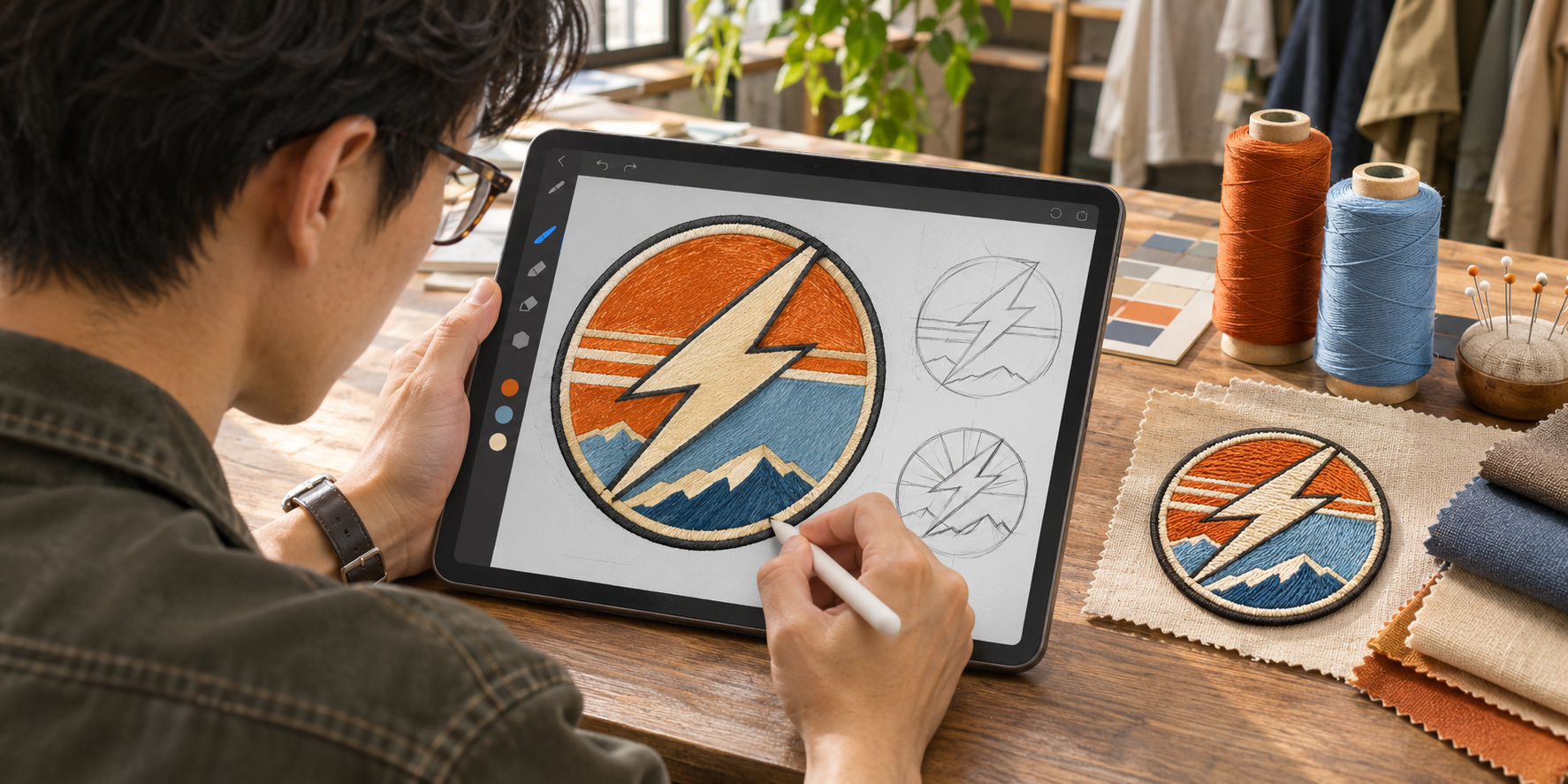
The most successful patches I have worked on are the ones that function as a badge of honor for a community. Think less like a corporate marketer and more like an artist creating a collectible pin. The goal is for someone to see the patch, think "that's cool," and then discover the brand behind it. This approach creates a much stronger emotional connection than simply displaying a logo. A great patch design should be iconic and simple enough to be recognized from a distance.
Key Design Principles for Patches
To achieve an iconic look, focus on a few core design rules that are specific to patch manufacturing.
- Embrace Bold Shapes: Your patch will be cut out, so the outer shape is a key part of the design. Circles, shields, and custom die-cut shapes are more interesting than simple squares.
- Limit Your Colors: Too many colors can make an embroidered patch look messy and increase costs. Stick to 3-5 colors for a clean, bold design.
- Simplify Your Details: Fine lines and tiny text do not translate well to embroidery or PVC. Focus on bold graphics and clear, readable fonts. If you need fine detail, a woven patch is the best option.
Remember, a patch is a small canvas. Your design needs to have an immediate impact.
How to Choose the Right Application Method for Your Products?
You have your patches, but now what? Ironing them on seems easy, but you worry they will fall off. Sewing takes forever, and you are not sure what Velcro is for.
Sew patches onto jackets and bags for maximum durability and a premium feel. Use iron-on backing for a quick and easy application on hats and T-shirts. Choose a Velcro backing to offer customization and allow customers to swap patches, creating an interactive and collectible experience.
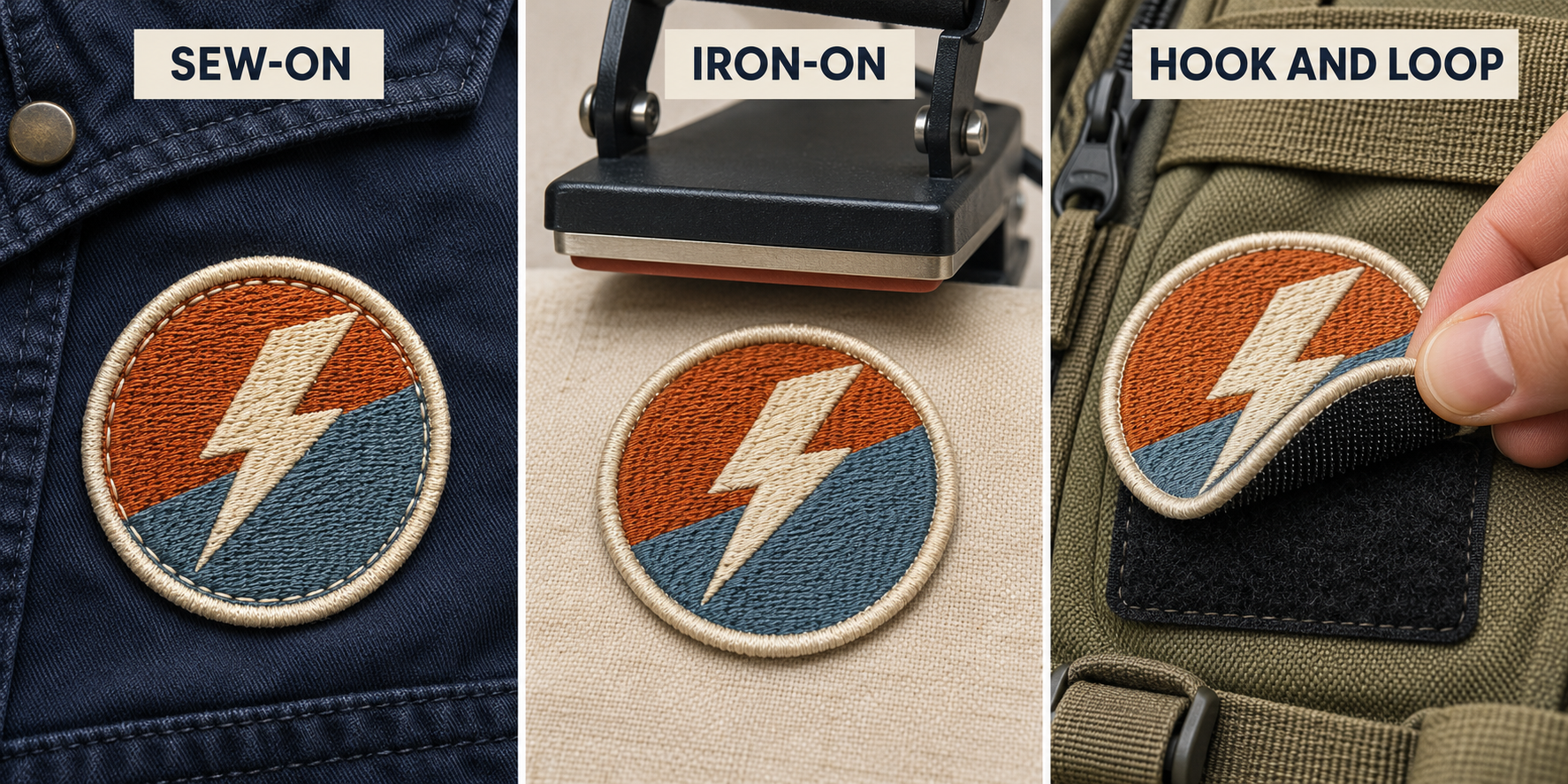
The application method you choose directly impacts the product's quality, functionality, and perceived value. It is not just about how the patch gets on the item; it is about the experience you create for the customer. For a high-end jacket, I would always recommend a professional sew-on application. It signals permanence and quality. On the other hand, offering a collection of Velcro-backed patches for a backpack can create a fun, engaging system where customers collect and trade, building a community around your brand.
Matching Application to Product and Purpose
The right choice depends entirely on the item and your goal.
- Sew-On: This is the gold standard for quality and durability. It’s the best choice for items that will see heavy use or washing, like work jackets, jeans, and premium bags. The stitched border adds a classic, crafted look.
- Iron-On (Heat Seal): This is a great, cost-effective option for large-scale production and items that are less frequently washed, like hats and tote bags. The application is fast, but it is not as permanent as sewing.
- Velcro (Hook & Loop): This method is all about customization and interactivity. It's perfect for tactical bags, headliners in vehicles, or any product where you want the user to be able to change the look. It turns a single product into a platform for expression.
Conclusion
Building a branded collection with patches is about making smart, strategic choices. Match the patch type to your brand's vibe, design something iconic, and choose the application method that adds the most value.