Are you trying to figure out why custom lanyards have such a wide range of prices? It can be confusing, right?
The price of custom lanyards is primarily affected by the material used, the printing method, the chosen attachments and accessories, the order quantity, and the complexity of the design, with each factor influencing the overall cost per unit.
In my years of helping pet brands design and source products, I've dealt with countless suppliers for various accessories, including custom lanyards for events or merchandise. While my primary focus has been on durable dog gear, the principles of manufacturing and pricing are very similar across different custom-made items. Understanding what drives the cost helps you make informed decisions and get the best value for your budget. It's not just about getting the cheapest option; it's about getting the right option for your needs.
What materials impact the cost of custom lanyards?
Have you ever noticed how some lanyards feel soft and luxurious, while others feel stiff and basic? The material is the biggest reason for this difference, and it heavily impacts the price.
The material chosen for custom lanyards significantly affects the overall price, with more premium or specialized materials like woven polyester or satin often costing more than standard options such as flat polyester or nylon due to differences in raw material cost and manufacturing complexity.
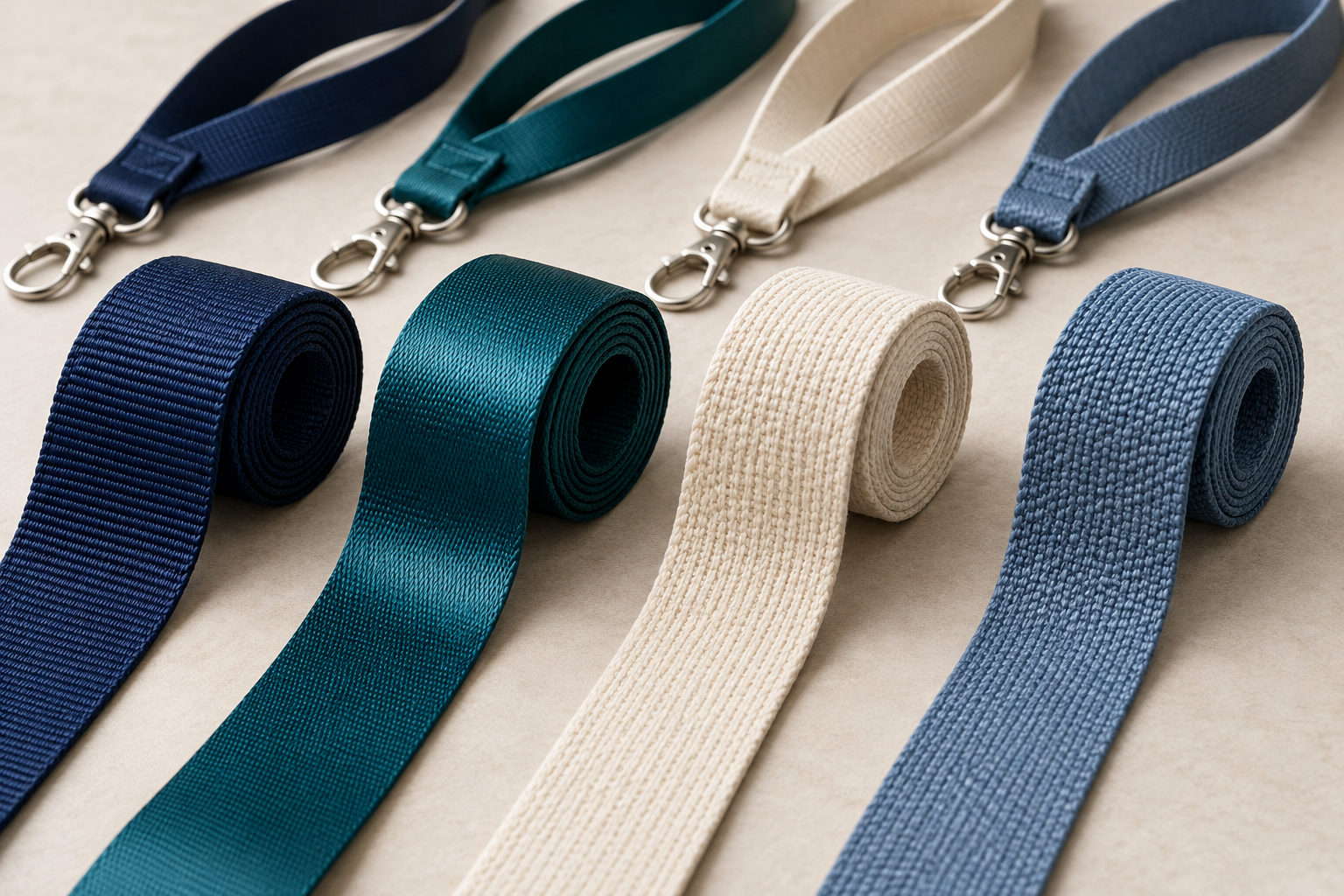
From my experience working with various textiles for dog harnesses and collars, I know that material choice is foundational to both quality and cost. A higher-grade material not only feels better but also often holds printing better and lasts longer. When it comes to lanyards, the material dictates durability, comfort, and how well your brand's message is displayed.
What are common lanyard materials and their cost implications?
Different materials offer varying levels of durability, feel, and print quality. Understanding these differences helps you choose wisely based on your budget and desired outcome.
| Material Type | Description | Cost Implication | Pros | Cons | Best For |
|---|---|---|---|---|---|
| Flat Polyester | Most common, durable, smooth, but can feel stiff. | Low | Affordable, durable, good for simple prints | Can feel a bit basic, less vibrant for complex designs | High-volume giveaways, basic identification |
| Tubular Polyester | Flat polyester sewn into a tube shape; feels thicker. | Low-Medium | Comfortable, feels more substantial | Printing can be less sharp due to rounded surface | Events, conferences, casual use |
| Dye-Sublimated (Heat Transfer) Polyester | Smooth, high-quality polyester with full-color printing. | Medium-High | Photo-quality printing, vibrant colors | Higher cost, can be less durable for heavy use | Complex logos, gradients, detailed graphics |
| Woven Polyester | Logo or text is woven directly into the lanyard material. | Medium-High | Highly durable, professional look | Limited color options, text can be less precise | Security, long-term use, strong branding |
| Nylon | Similar to polyester but often has a shinier finish. | Low-Medium | Durable, slightly softer than flat poly | Can be prone to fraying, less common for custom | General use, where slight sheen is desired |
| Satin | Smooth, shiny, luxurious feel, often layered over polyester. | High | Elegant, high-end feel, excellent print quality | Higher cost, less robust than other options | Premium events, VIP access, luxury brands |
| Recycled PET | Made from recycled plastic bottles. | Medium-High | Eco-friendly, good for brand image | Slightly higher cost, material texture varies | Environmentally conscious brands |
When I'm specifying materials for a new product, I always consider the end-use and the brand's image. For instance, if you're making promotional lanyards for a huge public event, flat polyester is often the most economical choice. It's cheap, gets the job done, and you can order huge quantities. However, if you're creating lanyards for VIP passes at a high-end conference, you might opt for satin or dye-sublimated polyester. These materials convey a sense of quality and professionalism. Woven lanyards, on the other hand, are incredibly durable and resistant to fading, making them a good choice for long-term use or for security personnel where the logo needs to be permanently embedded. Recycled PET is becoming increasingly popular for brands that want to highlight their commitment to sustainability. Each material has its place, and the cost directly reflects its quality, production method, and aesthetic appeal.
How do different printing methods impact lanyard costs?
After choosing your material, how your design gets onto the lanyard is the next big cost factor. Not all printing methods are created equal, and some are much better suited for certain designs and budgets than others.
The printing method significantly influences custom lanyard prices, with screen printing being the most cost-effective for simple designs and fewer colors, while dye-sublimation (heat transfer) is pricier but necessary for complex, full-color, or photographic designs.
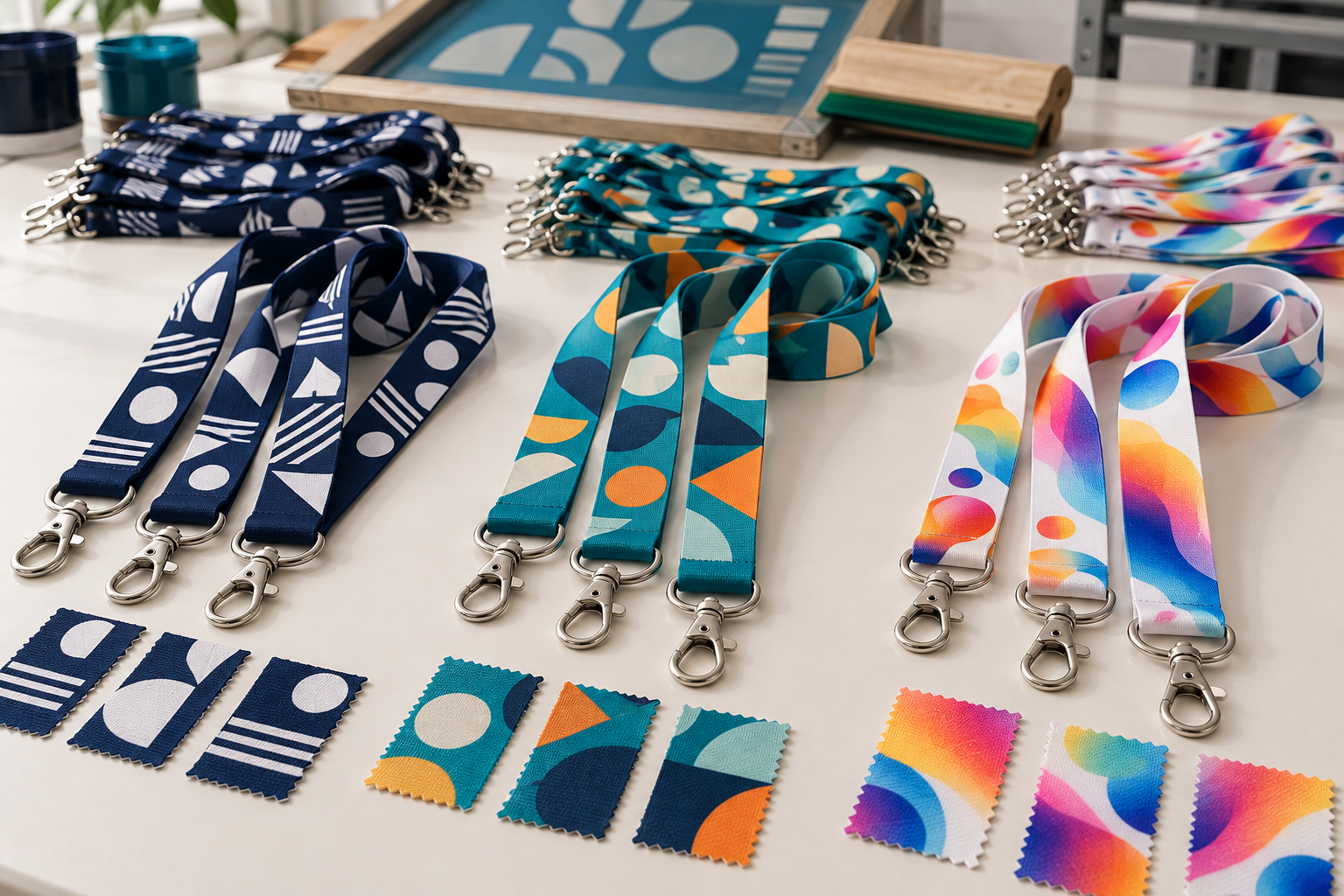
From my experience managing production, the printing process is where many subtle costs can emerge. It's not just the ink; it's the setup, the number of passes, and the complexity of aligning the design. When I design dog apparel, choosing between embroidery or screen print for a logo depends heavily on the detail and number of colors, and the same thinking applies to lanyards.
What are common printing methods and their cost implications for lanyards?
Each printing technique has its own strengths and weaknesses, especially concerning color vibrancy, detail, and cost. Knowing these will help you pick the right one for your custom lanyard.
| Printing Method | Description | Cost Implication | Pros | Cons | Best For |
|---|---|---|---|---|---|
| Screen Printing | Ink is pushed through a mesh stencil onto the material. | Low | Most cost-effective, good for bold colors | Limited colors (usually 1-4), less detail, can crack over time | Simple logos, text, high-volume orders |
| Dye-Sublimation (Heat Transfer) | Design is printed on paper, then heat-pressed onto material. | High | Full-color, photo-quality, vibrant, durable print | Higher initial cost, requires specific polyester material | Complex graphics, gradients, detailed artwork |
| Woven | Design is created by weaving different colored threads directly into the fabric. | Medium-High | Extremely durable, professional, textured feel | Limited color choices, less precise for fine details | Strong branding, security, long-lasting lanyards |
| Jacquard (Embroidered) | Similar to woven but often uses thicker threads for a more embossed look. | High | Premium, tactile, extremely durable | Highest cost, very limited detail, fewer colors | Luxury brands, heavy-duty applications |
When deciding on a printing method, the number of colors in your design is a huge factor. For example, if your company logo is just one or two solid colors, screen printing is almost always the most economical choice. The setup cost for each color can add up, so fewer colors mean less cost. However, if your design has gradients, photographs, or many intricate details, screen printing won't cut it. That's when dye-sublimation becomes necessary. While it has a higher initial cost, it allows for stunning, vibrant, full-color prints that are part of the fabric itself, making them very durable. Woven lanyards are a distinct category where the design isn't printed on top but built into the fabric structure. This is incredibly robust and gives a very professional, integrated look, but it limits the complexity of your design and color palette. I always suggest clients consider how long they expect the lanyard to last and how detailed their artwork is before settling on a printing method.
How do attachments and accessories influence lanyard costs?
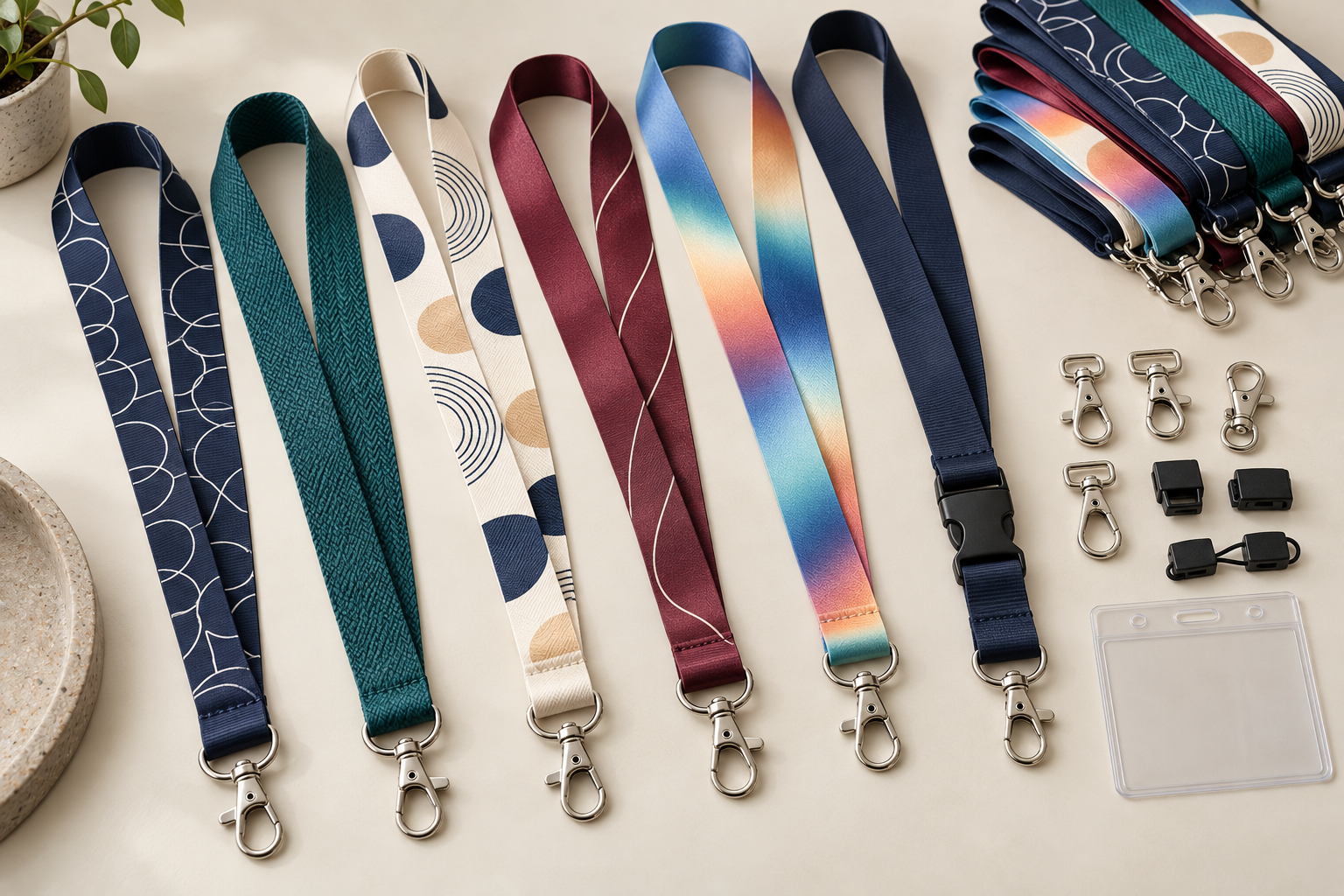
Lanyards are more than just a strip of fabric; the hardware attached to them plays a crucial role in their function and, consequently, their price.
The type and number of attachments and accessories significantly increase the price of custom lanyards, with basic metal hooks being standard, while safety breakaways, quick-release buckles, and specialized badge reels add to the overall unit cost.
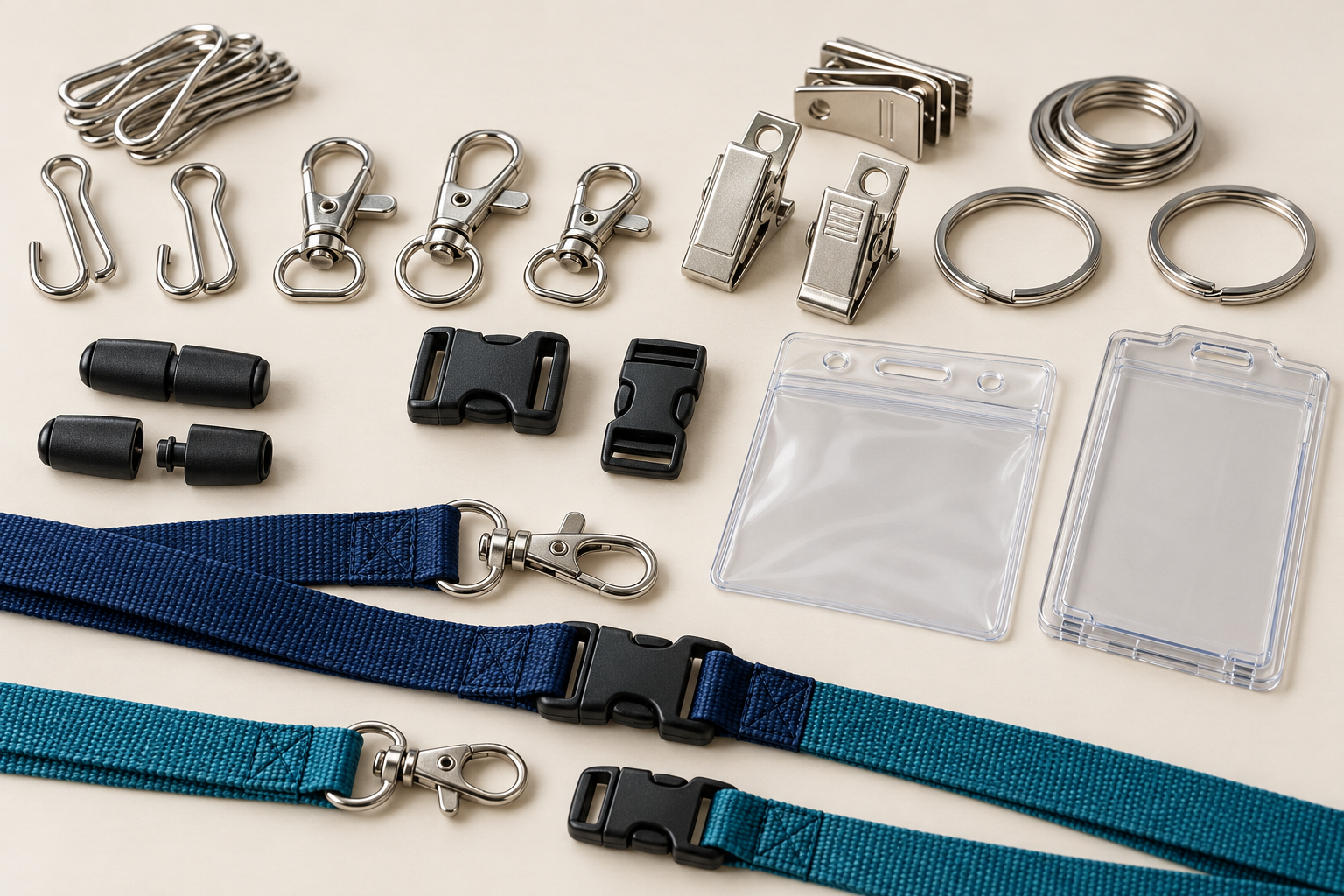
Just like with dog collars where the type of buckle or D-ring can dramatically change the price and safety, the hardware on a lanyard is a key component. I've seen firsthand how choosing a more robust or specialized attachment can impact the final product's functionality and price point.
What are common lanyard attachments and their cost implications?
The small pieces of metal or plastic that hold your ID badge or keys can vary greatly in price and utility. Choosing the right ones is important for both budget and purpose.
| Attachment Type | Description | Cost Implication | Pros | Cons | Best For |
|---|---|---|---|---|---|
| Swivel Hook (J-hook) | Standard metal hook that swivels. | Low | Versatile, common, good for keys/badges | Can break under extreme stress | General purpose, keys, simple ID cards |
| Bulldog Clip | Spring-loaded clip with teeth. | Low | Strong grip, good for horizontal badges | Can damage clothing if not careful | Conference badges, laminated cards |
| Split Ring (Key Ring) | Standard metal key ring. | Low | Secure, very common | Can be difficult to attach/remove items | Keys, small tools |
| Safety Breakaway | Plastic buckle that snaps apart under pressure. | Medium | Enhances safety, prevents choking/snagging | Adds bulk, can accidentally release | Workplace safety, schools, healthcare |
| Quick Release Buckle | Plastic buckle that allows bottom part to detach quickly. | Medium | Convenient, allows easy access to attached items | Adds bulk, slightly higher cost | Event staff, access control, frequently used items |
| Badge Reel | Retractable cord for easy scanning of badges. | High | Highly functional, convenient | Highest cost, can be bulky, mechanical parts can fail | Access cards, scanning systems, corporate use |
| Cell Phone Loop | Small string loop for attaching phones or USB drives. | Low | Versatile for small electronics | Less secure for heavier items | Events, tech companies |
When I'm sourcing components for pet gear, I always balance the need for durability with the budget. For lanyards, a simple swivel hook is often the cheapest and most common choice, perfectly fine for basic ID badges or keys. But if you're providing lanyards for a workplace where machinery or patient interaction is involved, a safety breakaway is non-negotiable. It's a small added cost but a huge safety feature. Quick-release buckles are fantastic for convenience, especially if people need to detach their ID or keys frequently without taking off the whole lanyard. Badge reels, while the most expensive option, offer unparalleled functionality for access control and scanning. The more specialized and functional the attachment, the higher the cost. Always consider the primary use of the lanyard and the safety requirements before finalizing your hardware choices.
How do quantity and design complexity affect lanyard pricing?
It's common sense that buying more of something generally makes it cheaper per unit. But with custom products, the complexity of your design also plays a huge role in the final price tag.
Order quantity significantly drives down the unit price of custom lanyards due to economies of scale, while design complexity, including the number of colors, intricate details, and special features, increases both setup costs and production time, thereby raising the overall price.
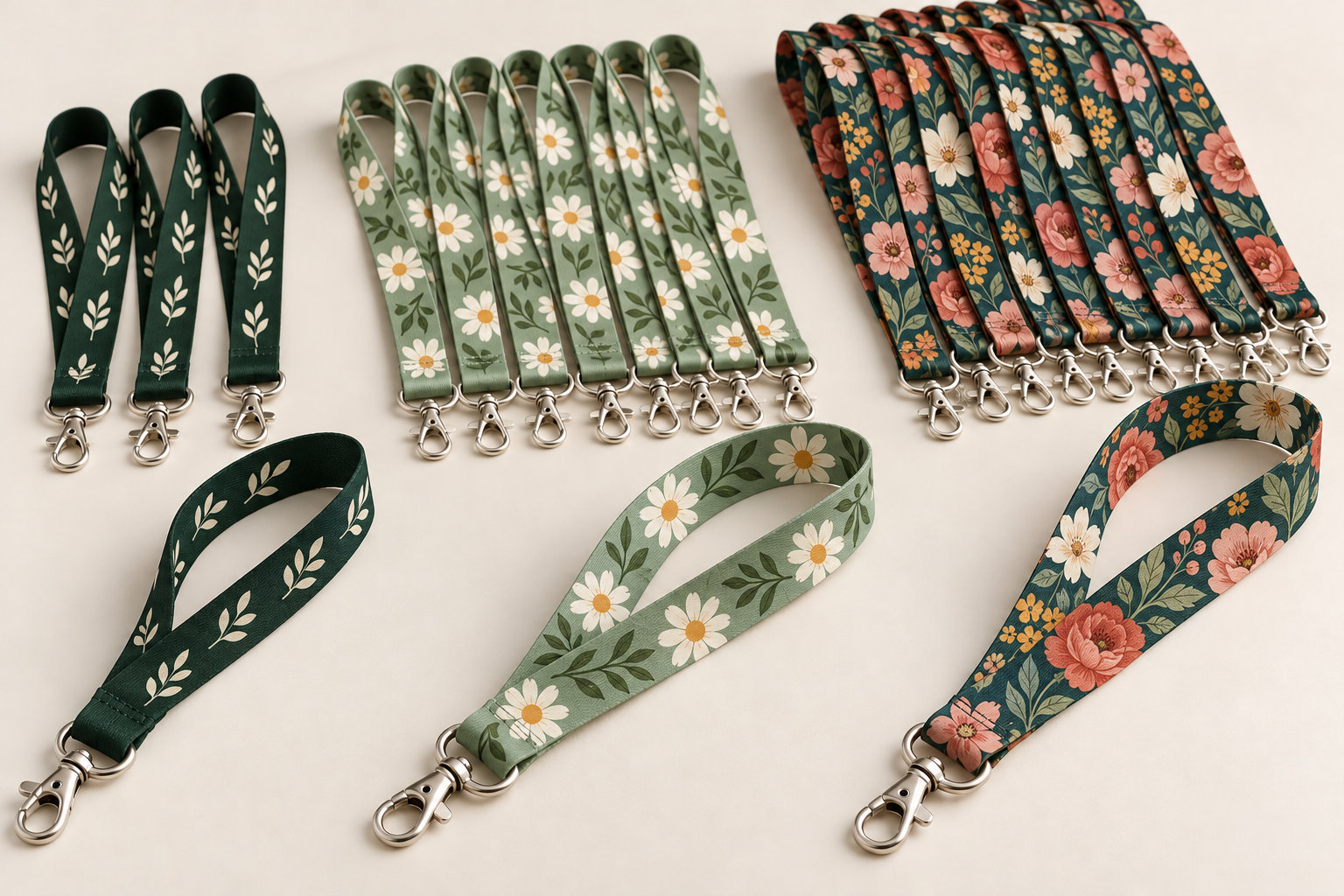
In manufacturing, the initial setup for any custom product is often the most expensive part. Once machines are calibrated and materials are ready, producing more units becomes much more efficient. I see this constantly in my consulting work. A large order of dog harnesses will always have a lower per-unit cost than a small batch. The same goes for custom lanyards.
How does order quantity influence the unit price of lanyards?
The more you buy, the less each individual lanyard costs. This is a fundamental rule of manufacturing, but it's important to understand why and how it impacts your budget.
| Quantity Range | Unit Price Impact | Reasoning | Best Strategy |
|---|---|---|---|
| Small (50-200) | Highest | High setup costs spread over few units, less material efficiency | Choose simple designs, standard materials |
| Medium (200-1000) | Moderate | Setup costs amortized better, some material savings | Good balance of customization and cost |
| Large (1000-5000) | Low | Significant setup cost reduction, bulk material discounts, efficient production | Ideal for standard promotions, events |
| Very Large (5000+) | Lowest | Maximum economies of scale, highly optimized production | Mass distribution, long-term campaigns |
When a factory sets up to produce your custom lanyards, there's a fixed cost involved, regardless of how many you order. This includes creating design files, setting up printing screens or looms, and calibrating machines. If you only order 50 lanyards, that entire setup cost is divided by 50, making each one very expensive. But if you order 5,000, that same setup cost is spread across 5,000 units, drastically reducing the per-unit price. As a product developer, I always advise clients to consider their actual needs versus the pricing tiers. Sometimes, ordering a slightly larger quantity than you initially planned can push you into a lower price bracket, saving you money in the long run if you know you'll use the extra lanyards. It's about finding that sweet spot where the cost savings outweigh the cost of storing extra inventory.
How does design complexity affect overall lanyard cost?
Beyond the number of units, the intricacy of your logo or graphic can add hidden costs you might not expect.
| Design Element | Cost Impact | Reasoning | Best Practice for Budget Control |
|---|---|---|---|
| Number of Colors | High | More screen setup, more ink, longer production time | Limit to 1-4 colors for screen printing; use full color for dye-sub |
| Gradient/Shading | High | Requires dye-sublimation; more complex artwork preparation | Opt for solid colors if screen printing is a must |
| Fine Detail/Small Text | High | Harder to print clearly, requires specialized techniques | Simplify logos, use legible fonts, consider woven for clarity |
| Double-Sided Printing | High | Requires two printing passes, more material/setup | Evaluate if double-sided is truly necessary; single-sided is cheaper |
| Custom Artwork Prep | High | If artwork isn't print-ready, design fees apply | Provide vector files (AI, EPS, SVG) to supplier |
| Special Features | High | E.g., reflective thread, glow-in-the-dark ink | Only include if essential for function or branding |
The more colors you use in screen printing, the more screens need to be made, and the more passes through the machine are required, each adding to the cost. If you have a design with complex gradients or photo-realistic elements, you're looking at dye-sublimation, which is inherently more expensive than screen printing. Small, intricate text or logos can also increase costs because they are harder to reproduce accurately and might require more precise printing equipment or techniques. Double-sided printing means essentially printing two lanyards, which naturally doubles the printing cost. When I'm working with a client on a new product, I always stress the importance of providing clean, vector-based artwork. If your artwork isn't print-ready, the supplier will have to spend time (and charge you for it) to prepare it. Simplifying your design, especially the number of colors, can be a very effective way to bring down the unit price, especially for larger bulk orders.
Conclusion
The price of custom lanyards is a mix of material, print style, attachments, quantity, and design. Understanding these factors helps you make smart choices for your budget and needs.