Are you wondering which patch type will best represent your brand, but feel overwhelmed by all the options? You're not alone in seeking that perfect detail!
Choosing the right patch type for your brand involves evaluating your brand's aesthetic, desired durability, budget, and the intended application, as each patch style—such as embroidered, woven, PVC, or leather—offers distinct visual and tactile qualities that convey different brand messages.
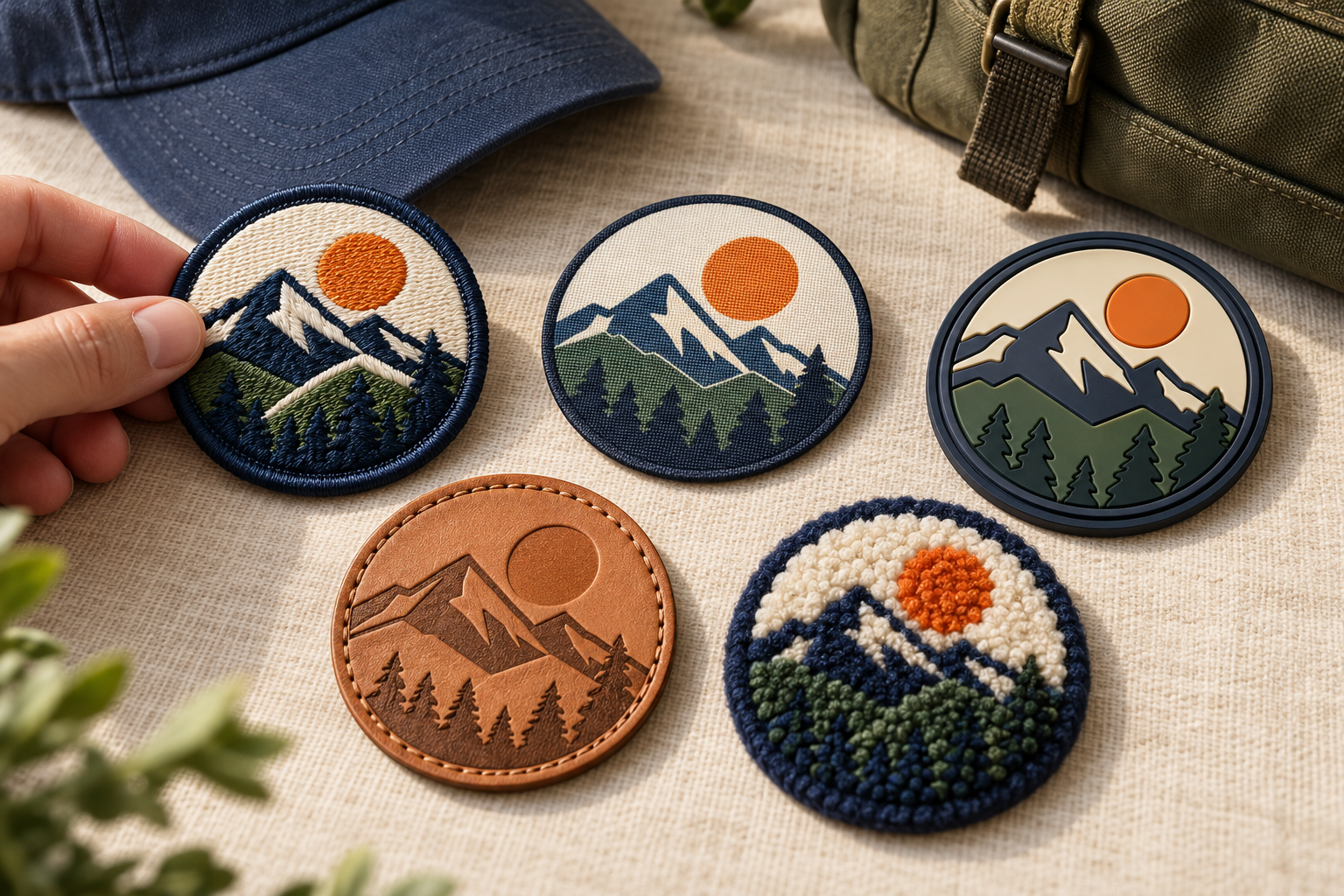
In my journey helping numerous pet brands develop best-selling products, I've learned that every small detail, from a custom harness buckle to a logo patch, contributes significantly to the overall brand identity and perceived value. While my direct experience is in pet accessories, the principles of selecting the right embellishment are universal. A patch isn't just a decoration; it's a statement, a miniature billboard for your brand that communicates quality, style, and professionalism. Making the right choice means aligning the patch with your brand's core values and product line.
Why is choosing the right patch type important for your brand?
Have you ever noticed how a simple patch can elevate a product, or conversely, make it look cheap? The type of patch you choose speaks volumes about your brand's attention to detail and overall image.
Selecting the appropriate patch type is crucial for your brand because it directly impacts perceived quality, visual appeal, durability, and brand message, acting as a tangible representation of your brand's values and aesthetic.
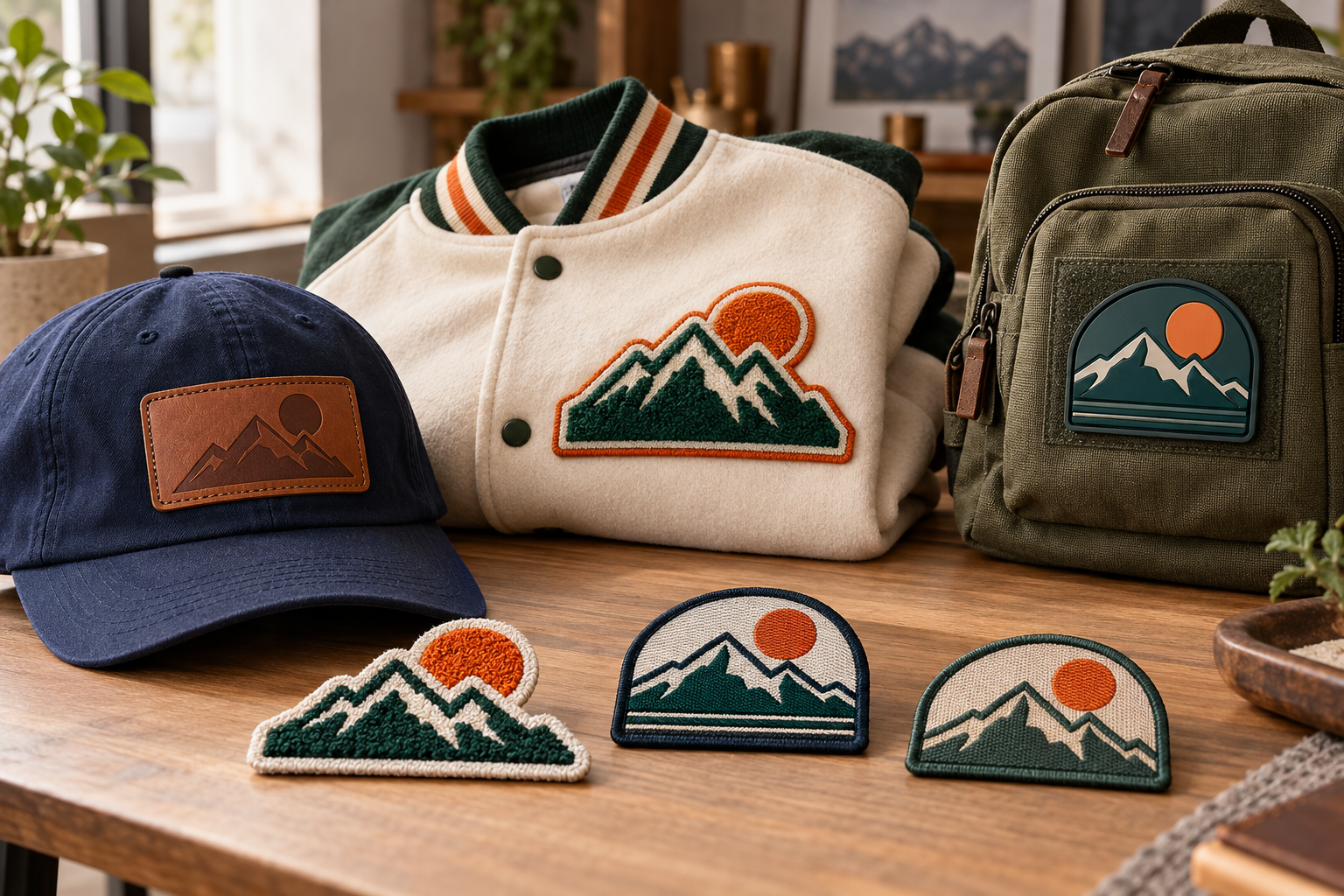
When I consult with brands on new product lines, we always discuss how each component contributes to the final product's story. A patch, though small, is a powerful storytelling element. It's often the first thing people notice on a garment or accessory. The right patch can convey ruggedness, luxury, fun, or sophistication. The wrong one can create a disconnect. It's about ensuring every element reinforces your brand's identity.
How does patch type influence brand perception?
The look and feel of a patch can subconsciously communicate a lot about your brand, even before a customer knows what you do. It's an unspoken message.
| Patch Type | Visual/Tactile Qualities | Brand Perception Conveyed | Ideal Brands/Applications |
|---|---|---|---|
| Embroidered | Textured, classic, raised threads. | Traditional, durable, established, quality. | Sports teams, outdoor gear, classic apparel, service uniforms. |
| Woven | Flat, smooth, detailed, high resolution. | Modern, precise, sophisticated, intricate detail. | High-fashion, tech brands, detailed logos, labels for fine garments. |
| PVC (Rubber) | Flexible, 3D, tactile, weather-resistant. | Modern, durable, playful, rugged, outdoor-oriented. | Adventure brands, tactical gear, children's products, casualwear. |
| Leather/Faux Leather | Natural, luxurious, soft or stiff, debossed/embossed. | Premium, rustic, authentic, handcrafted, eco-conscious (faux). | Denim brands, artisan goods, high-end accessories, sustainable fashion. |
| Printed | Flat, photo-quality, smooth. | Contemporary, artistic, customizable, vibrant. | Promotional items, artistic designs, complex graphics, limited-run collaborations. |
| Chenille | Fuzzy, soft, thick, retro, collegiate. | Vintage, playful, collegiate, luxurious comfort. | Varsity jackets, sports apparel, cozy loungewear, fashion statements. |
In my design work, I consider how a product feels as much as how it looks. The tactile experience of a patch is part of its appeal. An embroidered patch, for example, with its raised threads, feels substantial and classic. It evokes a sense of heritage and craftsmanship, often seen on traditional sports jerseys or military uniforms. A woven patch, with its flat, smooth surface, allows for much finer detail, making it perfect for intricate logos or small text that needs to be perfectly legible. This often resonates with more modern, precision-focused brands. PVC patches, on the other hand, are flexible and often have a three-dimensional effect. They convey a sense of modern durability and a slightly more playful or tactical vibe, ideal for outdoor brands or children's products. Leather patches, whether real or faux, instantly add a touch of luxury, rustic charm, or artisanal quality, perfect for denim or high-end accessories. Each type offers a distinct sensory experience that subtly reinforces your brand's identity and product positioning.
How does patch durability and longevity align with brand values?
Your brand's promise of quality isn't just in the product, but in every component. A patch that fades or falls off quickly can undermine trust.
| Brand Value | Desired Patch Durability | Suitable Patch Types | Considerations |
|---|---|---|---|
| Rugged/Outdoor | High, weather-resistant | PVC, Embroidered (dense stitch), Woven (tight weave) | Resistance to water, UV, abrasion; colorfastness. |
| Premium/Luxury | High, maintains appearance | Leather/Faux Leather, High-density Woven, Embroidered (fine detail) | Prevents fraying, cracking, or fading; perceived quality. |
| Sustainable/Eco-Friendly | Long-lasting, earth-friendly materials | Recycled Polyester Embroidered, Faux Leather, Printed (eco-inks) | Material sourcing, manufacturing process, end-of-life. |
| Trendy/Fashion | Moderate to high, vibrant | Printed, Chenille, Woven | Ability to withstand washing, maintain sharp design. |
| Functional/Utility | High, withstands heavy use | PVC, Embroidered (heavy duty), Rubber (silicone) | Chemical resistance, flexibility, non-snagging. |
When I design dog gear, durability is always top of mind. The products need to withstand dirt, water, and rough play. The same considerations apply to patches. If your brand promises rugged outdoor performance, a delicate printed patch that washes out after a few cycles won't cut it. You'd likely lean towards a weather-resistant PVC patch or a densely stitched embroidered one. If your brand is about luxury, a high-quality leather patch that ages gracefully or a finely woven patch that retains its crispness will better align. The longevity of your patch directly reflects the longevity and quality you promise your customers. It's about consistency in your brand's message. A patch that stands the test of time reinforces your brand's commitment to quality and craftsmanship, building trust and loyalty with your customer base.
What are the most common patch types and their characteristics?
Now that we understand why choosing the right patch is important, let's dive into the specifics of the most popular types. Each one has its own unique look, feel, and production process.
The most common patch types include embroidered for classic texture, woven for fine detail, PVC for modern durability, leather for premium feel, and printed for vibrant graphics, each offering distinct aesthetic, tactile, and functional characteristics suitable for different branding needs.
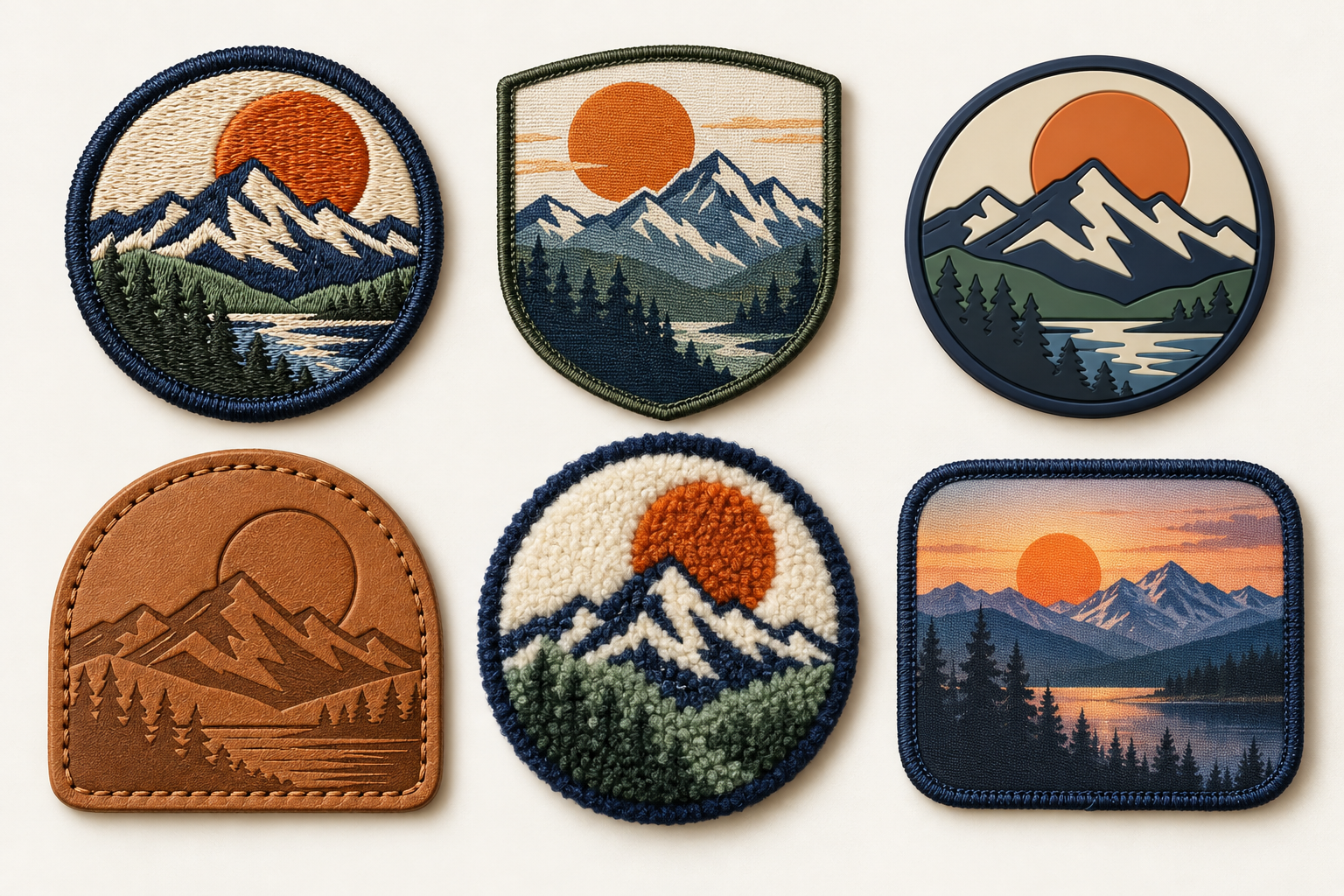
Having worked with numerous manufacturers, I've become familiar with the nuances of each patch type. It's about knowing their strengths and limitations to recommend the best fit for a client's product and budget. Sometimes, combining elements, like a woven label sewn onto a leather patch, can create a truly unique effect.
What are the advantages and disadvantages of embroidered patches?
Embroidered patches are perhaps the most classic and widely recognized type, but they're not always the best choice for every design.
| Characteristic | Description | Advantages | Disadvantages | Best Use Cases |
|---|---|---|---|---|
| Appearance | Raised, textured surface due to thread stitching. | Classic, traditional look; depth and dimension. | Limited fine detail; can look bulky for small designs. | Logos, text, bold designs, uniforms, outdoor gear. |
| Durability | Very durable, threads resist fading and fraying. | Withstands washing, wear, and tear well. | Can snag on sharp objects; heavy if large. | Long-lasting applications, high-wear items. |
| Cost | Moderate, depends on stitch count and size. | Good value for durability and classic aesthetic. | Can become expensive with very high stitch counts or complex designs. | Mid-range budgets, general branding. |
| Detail Level | Best for bold lines and solid color blocks. | Clear, distinct lines for simple logos. | Difficult for gradients, small text, or intricate details. | Simple graphics, large lettering. |
| Feel | Textured, slightly stiff. | Substantial, high-quality feel. | Can be scratchy if not backed properly. | Applications where tactile quality is desired. |
Embroidered patches are a workhorse in the branding world. Their distinct, raised texture gives them a premium, handcrafted feel that other patch types can't quite replicate. They're incredibly durable, which is why you see them so often on military uniforms, sports jerseys, and workwear. When I design products that need to convey a sense of ruggedness or tradition, embroidered patches are often my go-to. However, they have limitations. Because they're made with individual threads, very fine details, small text, or gradients can get lost or look messy. Stitch count is a major cost factor; the more complex the design and the larger the patch, the more threads and time it takes, driving up the price. For bold, clear logos or text, they are perfect. But for photographic realism or intricate artwork, other options are better.
When should you consider woven or printed patches?
If your brand's logo is intricate or features many colors, you'll need solutions that offer higher detail than traditional embroidery.
| Patch Type | Characteristic | Advantages | Disadvantages | Best Use Cases |
|---|---|---|---|---|
| Woven Patches | Flat, smooth, high-resolution threads woven together. | Excellent fine detail, small text, photographic quality. | Less texture/depth than embroidery; generally higher cost than printed. | Intricate logos, small labels, fashion brands, detailed artwork. |
| Printed Patches | Flat, smooth, often on twill or polyester base. | Photo-realistic detail, vibrant colors, gradients. | Less durable than woven/embroidered; can fade over time. | Complex graphics, temporary promotions, artistic designs, low budget. |
In the world of product design, sometimes the smallest details make the biggest difference. Woven patches shine when your logo has very fine lines, tiny text, or intricate details that embroidery simply can't capture. Instead of threads being stitched onto a base fabric, the entire patch is the threads woven together, creating a much smoother, flatter, and more precise image. This makes them ideal for fashion brands or products where a sleek, modern, and highly detailed look is paramount. Printed patches, on the other hand, offer the ultimate in color vibrancy and photographic realism. If your logo has gradients, subtle shading, or even looks like a photograph, printing is the way to go. They can be incredibly cost-effective, especially for complex designs that would be prohibitively expensive to embroider or weave. However, the trade-off is often durability; printed designs can be prone to fading or cracking over time, especially with frequent washing. I often recommend printed patches for promotional items or designs where the visual impact is more important than extreme longevity.
What are the benefits of PVC and leather patches?
For brands seeking a modern, tactile, or premium feel, PVC and leather patches offer distinct advantages that stand out from traditional fabric options.
| Patch Type | Characteristic | Advantages | Disadvantages | Best Use Cases |
|---|---|---|---|---|
| PVC Patches | Flexible, rubber-like, 3D custom molding, durable. | Weatherproof, tactile, unique look, vibrant colors. | Can be stiff in cold weather; not breathable; often heavier. | Outdoor gear, tactical apparel, sportswear, modern casual. |
| Leather Patches | Natural, textured, debossed or embossed, ages well. | Premium feel, sophisticated, unique patina over time. | Higher cost (real leather); can shrink/crack; limited color options. | Denim, high-end accessories, artisan goods, heritage brands. |
| Faux Leather Patches | Synthetic, mimics real leather, often debossed. | More affordable, animal-friendly, consistent finish. | Less breathable; may not age as authentically as real leather. | Budget-conscious premium look, vegan brands, mass-market apparel. |
Designing products often involves selecting materials that not only perform well but also create a specific emotional connection. PVC patches are fantastic for brands that want to convey a modern, rugged, or even playful aesthetic. Their flexible, rubber-like texture and ability to be molded into 3D shapes make them instantly recognizable and tactile. They are incredibly durable, weatherproof, and resistant to chemicals, which is why they are popular on tactical gear, outdoor apparel, and items that need to withstand harsh conditions. I've often used PVC for brands looking for a distinct, contemporary edge. Leather patches, conversely, evoke a sense of heritage, craftsmanship, and luxury. The natural grain of leather, combined with the timeless appeal of debossed or embossed logos, creates a sophisticated and authentic look. While real leather is a premium material, faux leather offers a more affordable and animal-friendly alternative, allowing brands to achieve a similar high-end aesthetic without the high cost or ethical concerns. These patches are perfect for denim, high-end bags, or any product aiming for a rustic, artisan, or upscale image.
How to align your patch choice with your brand's budget and application?
Ultimately, the best patch for your brand isn't just about aesthetics; it's about what you can afford and where the patch will be used.
Aligning your patch choice with your brand's budget and application requires balancing cost-effectiveness with the functional demands of the product and the patch's intended visibility and longevity, ensuring the selected patch provides optimal brand representation without exceeding financial limits.
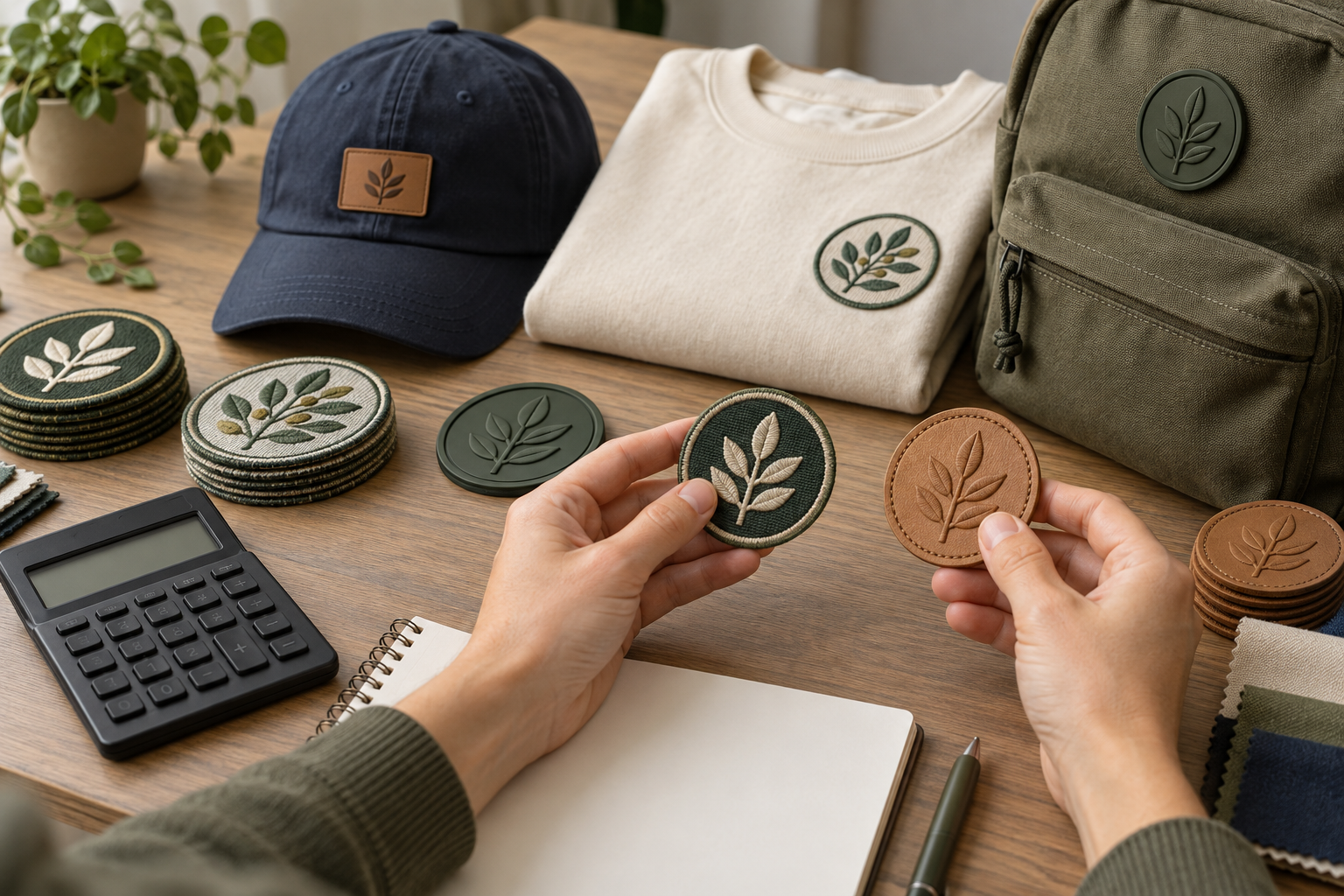
In all my consulting, balancing quality, cost, and function is paramount. A high-end leather patch might look amazing, but if it pushes your product out of its target price range, it's not the right choice. Similarly, a cheap printed patch won't serve a brand that promises extreme durability. It's about smart trade-offs.
How does budget influence patch type selection?
Cost is always a major factor. Some patch types are inherently more expensive to produce than others, especially for small quantities.
| Budget Level | Cost-Effective Patch Types | Higher-Cost Patch Types | Strategies for Budget Optimization |
|---|---|---|---|
| Low Budget | Printed, Basic Embroidered (low stitch count) | Woven, PVC, Leather/Faux Leather, Chenille | Simplify design, limit colors, order larger quantities, choose standard sizes. |
| Mid Budget | Standard Embroidered, Woven, Basic PVC | Complex Embroidered, Multi-color PVC, Premium Leather | Balance detail with quantity, explore different material grades. |
| High Budget | Premium Embroidered, Detailed Woven, Custom PVC, Leather | Custom Chenille, Specialty Materials (e.g., reflective) | Focus on unique textures, high detail, and brand impact over unit cost. |
From a manufacturing perspective, different patch types have varying production complexities and material costs. Printed patches are generally the most budget-friendly, especially for small orders, because the setup costs are lower and the production process is less labor-intensive. Embroidered patches sit in the middle; their cost is heavily influenced by stitch count and size. If you can simplify your design and use fewer colors, you can bring down the cost significantly. Woven patches often have a higher unit cost than basic embroidery due to the specialized weaving process needed for fine detail. PVC and leather patches, especially real leather, tend to be the most expensive due to material costs and specialized molding or finishing processes. When working with a tight budget, I always recommend simplifying the design, limiting the number of colors, and considering higher order quantities, as bulk discounts are significant for all patch types.
What are the considerations for patch application (sew-on, iron-on, velcro)?
The method of attaching the patch impacts both its appearance and its practicality for the end-user.
| Application Method | Advantages | Disadvantages | Ideal Product/Application |
|---|---|---|---|
| Sew-On | Most durable, permanent, secure; professional finish. | Requires sewing skills/machine; can be labor-intensive. | Garments, bags, hats, outdoor gear, items needing high durability. |
| Iron-On (Heat Seal) | Easy, quick, no sewing required; good for DIY. | Less durable than sew-on; can peel/fall off over time; not for all fabrics. | Promotional items, temporary applications, light-use apparel. |
| Velcro Backing | Removable, interchangeable; versatile. | Adds bulk; not as sleek; Velcro can wear out. | Tactical gear, uniforms, items where patches need frequent changing. |
| Adhesive Backing | Peel-and-stick, very easy; good for temporary use. | Least durable; often for single-use or very light applications. | Event badges, temporary branding, craft projects. |
When designing a product, how the patch is attached is just as important as the patch itself. For any product that needs to withstand heavy use, frequent washing, or outdoor elements—like dog harnesses or rugged outdoor apparel—sew-on patches are the gold standard. They offer the most permanent and durable attachment. Iron-on patches are great for quick, DIY applications or promotional items where the highest durability isn't the primary concern. I usually advise caution with iron-on for products that will be washed frequently or undergo a lot of stress, as they can peel over time. Velcro-backed patches are perfect for situations where the patch needs to be interchangeable, such as on military uniforms, tactical bags, or dog vests where different service or identification patches are used. Adhesive backing is typically for very temporary applications, like event badges. The choice of application method should always be dictated by the product's intended use and the desired longevity of the patch's attachment.
Conclusion
Choosing the right patch type is essential for branding, considering aesthetics, durability, budget, and application. Whether embroidered, woven, PVC, or leather, each style communicates a unique message, helping your brand stand out and reinforce its identity.