You grab a lanyard at an event, but how you wear it affects your comfort and professionalism all day. A twisted strap or a badge that keeps flipping over is annoying and can look sloppy.
Lanyards are most commonly worn around the neck, with the attached items resting mid-chest. For more active use, they can be worn cross-body (over the shoulder) for stability or looped through a belt or onto a bag for easy access without encumbrance.
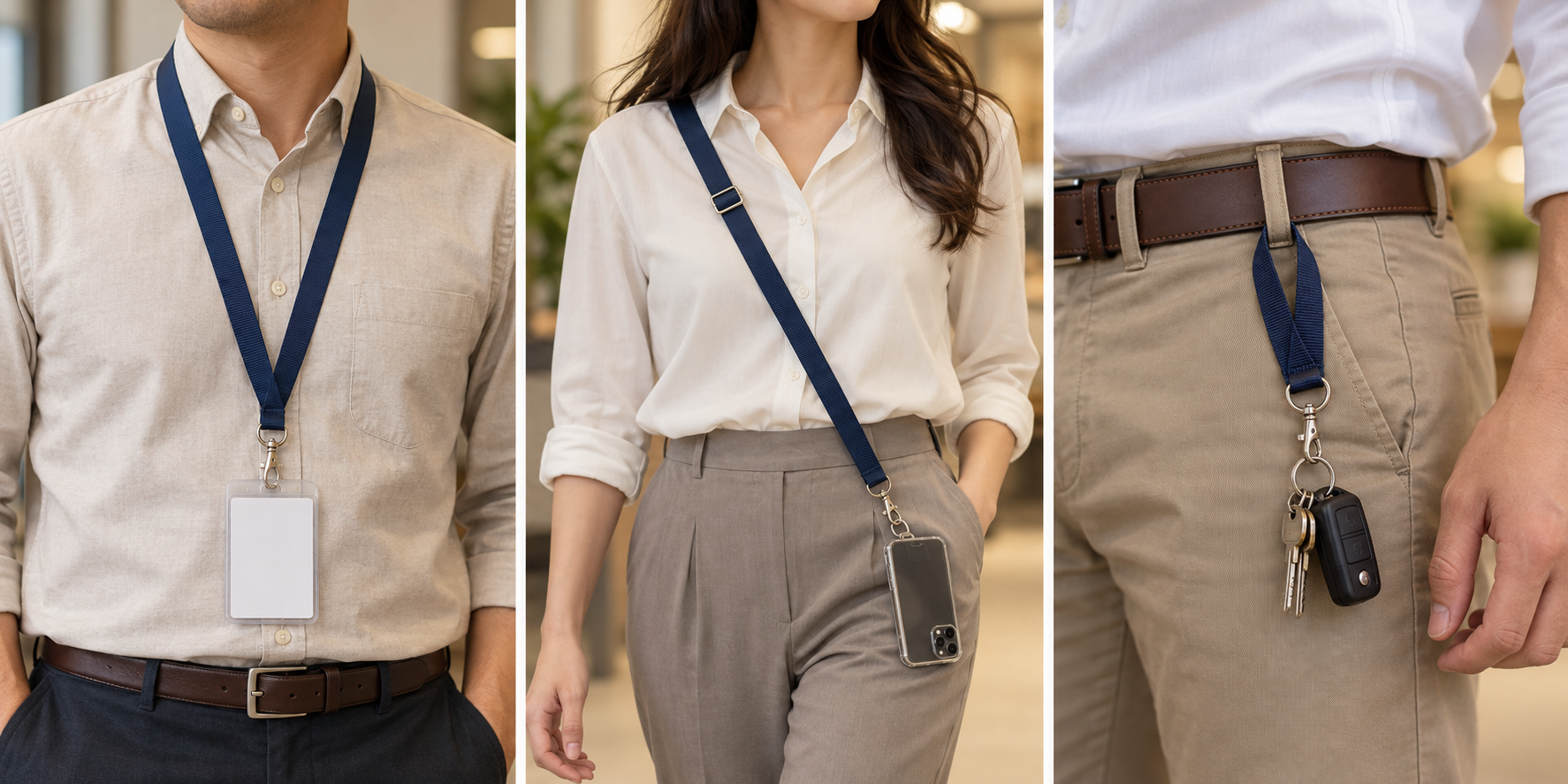
It seems simple, but the way you wear a lanyard can change dramatically depending on the situation. As a designer in the pet industry, I've seen lanyards evolve from simple badge holders at trade shows to key components in hands-free dog walking systems. Understanding the nuances of how they are worn is fundamental to designing them effectively. The right style not only improves comfort but can transform a simple strap into a highly functional tool for pet owners and professionals alike.
When is the Classic Neck Style the Best Way to Wear a Lanyard?
You're at a busy pet industry trade show, trying to network, but your badge keeps getting lost or tangled. It's frustrating when you need to present your credentials quickly and professionally.
The classic neck style is best for professional settings like trade shows, conferences, and offices. It keeps your ID badge, keys, or access card visible and immediately accessible, ensuring you always present a professional image without fumbling.

For any professional like Frank attending an event like Global Pet Expo, the neck lanyard is standard protocol. It's your mobile business card and your ticket into every booth. The key to a good design for this style lies in the details. The length is critical; the loop is typically around 36 inches, allowing the badge to sit comfortably mid-chest, visible but not so low it gets caught on tables. The material choice is also crucial. I always recommend soft, flat polyester or smooth nylon webbing that won't chafe the neck after a long day of walking the show floor. Most importantly, a well-designed neck lanyard includes a breakaway safety clasp. I once saw someone's lanyard get snagged on a display, and the breakaway feature prevented a nasty accident. It's a non-negotiable safety feature in any environment.
Lanyard Design Features for Neck Wear
| Feature | Design Consideration | Why It Matters |
|---|---|---|
| Length | Approx. 36" loop | Places badge at an ideal mid-chest level for visibility and access. |
| Material | Soft Polyester/Nylon | Prevents skin irritation and ensures comfort for all-day wear. |
| Safety | Breakaway Clasp | Releases under pressure to prevent choking hazards if snagged. |
How Can a Cross-Body Lanyard Improve Functionality?
You’re trying to walk your dog and use training tools, but your hands are full. A standard neck lanyard gets in the way, swinging around and potentially tangling with the leash.
Wearing a lanyard cross-body, or messenger-style, improves functionality by keeping items secure against your body during active use. This prevents swinging, tangling, and bouncing, making it the ideal choice for dog walkers, trainers, and outdoor enthusiasts.

This is where lanyard design gets exciting for the pet industry. The cross-body style transforms a simple strap into a hands-free utility belt. I worked with a brand to develop a "dog walker's lanyard" based on this concept. The longer strap (around 50-60 inches) allows it to be worn comfortably across the torso, and we added multiple attachment points. This allows a user to clip on a training clicker, a poop bag dispenser, and even a collapsible water bowl. Because the lanyard is worn snugly against the body, the tools stay put and don't interfere with holding the leash or rewarding the dog. Frank, when you're designing for active users, stability is everything. The cross-body style provides that stability, ensuring that the tools are there when you need them and out of the way when you don't. It's a perfect example of how ergonomics can elevate a simple product.
Benefits of the Cross-Body Lanyard Style
- Stability: Eliminates bouncing and swinging, making it perfect for running, hiking, or active dog training.
- Security: Keeps valuable items like your phone or keys held tightly against your body, reducing the risk of loss or theft.
- Load Distribution: Spreads the weight of attached items across your shoulder and back instead of just your neck.
- Hands-Free Access: Allows for quick, one-handed access to tools like whistles, treat pouches, or poop bags.
Is Looping a Lanyard on a Belt Ever the Best Option?
You only need to carry a single key or a small tool, and you don't want anything around your neck or shoulder. A full lanyard seems like overkill, but you still need easy access.
Looping a shorter lanyard or wrist strap onto a belt or bag is the best option for minimalist, low-profile carrying. It keeps a specific item, like a key fob or training clicker, accessible without the bulk of a full-length lanyard.
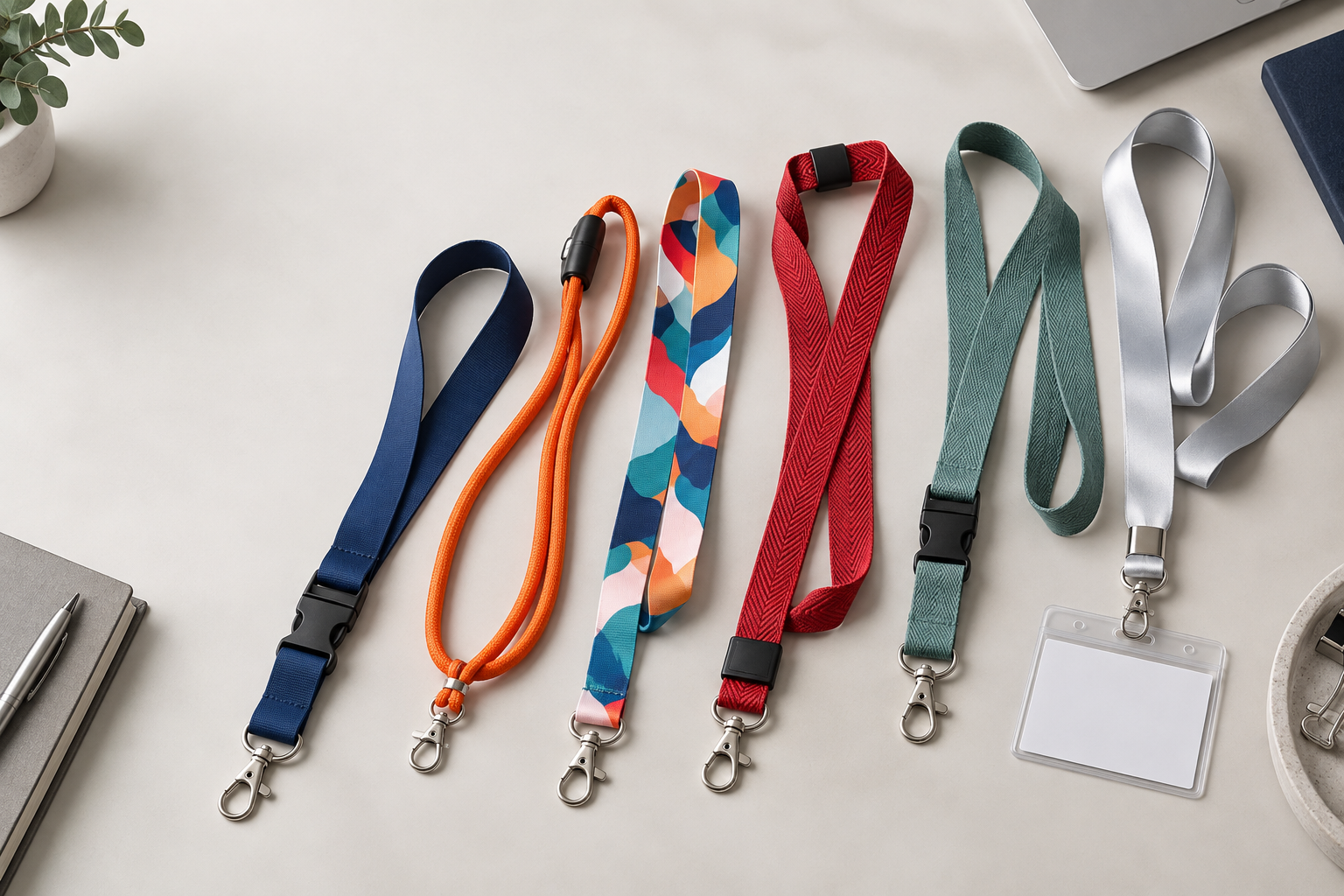
Think of this as the minimalist approach. Sometimes, you don't need a full rig. This method is perfect for dog trainers in a controlled environment or for anyone who just needs to keep one specific tool handy. I consulted on the design of a premium dog training clicker, and we decided to ship it with a small, 8-inch wrist lanyard. The idea was versatility. A trainer could wear it on their wrist, but many testers preferred to unclip it, loop it through their belt loop, and let the clicker sit in their pocket, ready to be grabbed instantly. This prevents the clicker from getting lost at the bottom of a pocket and keeps it from making noise until it's needed. For you, Frank, this shows that lanyard design isn't always about the long neck strap; sometimes, a shorter, more adaptable loop offers the most elegant solution to a specific user need.
When to Use a Lanyard Loop
| Situation | Item to Carry | Why It's Effective |
|---|---|---|
| Dog Training Class | Training Clicker | Keeps the clicker silent in a pocket but instantly accessible. |
| Quick Errands | Single Key Fob | More secure and comfortable than placing it in a pocket. |
| Facility Access | RFID Access Card | Can be easily tapped on a reader without being worn around the neck. |
Conclusion
The best way to wear a lanyard depends on the context. Use the neck style for visibility, the cross-body style for activity, and a belt loop for minimalist access.