Iron-On vs Sew-On Patches: Which Is Better For Your Product?
Choosing the wrong patch backing can lead to product failure and customer complaints. Your brand's reputation is at stake if patches start peeling off your gear after a few uses.
Sew-on patches are better for durability and are the only choice for heat-sensitive materials like nylon. Iron-on patches are better for quick, easy application on fabrics like cotton and denim. The "better" option depends on your product's material and how much wear and tear it will face.
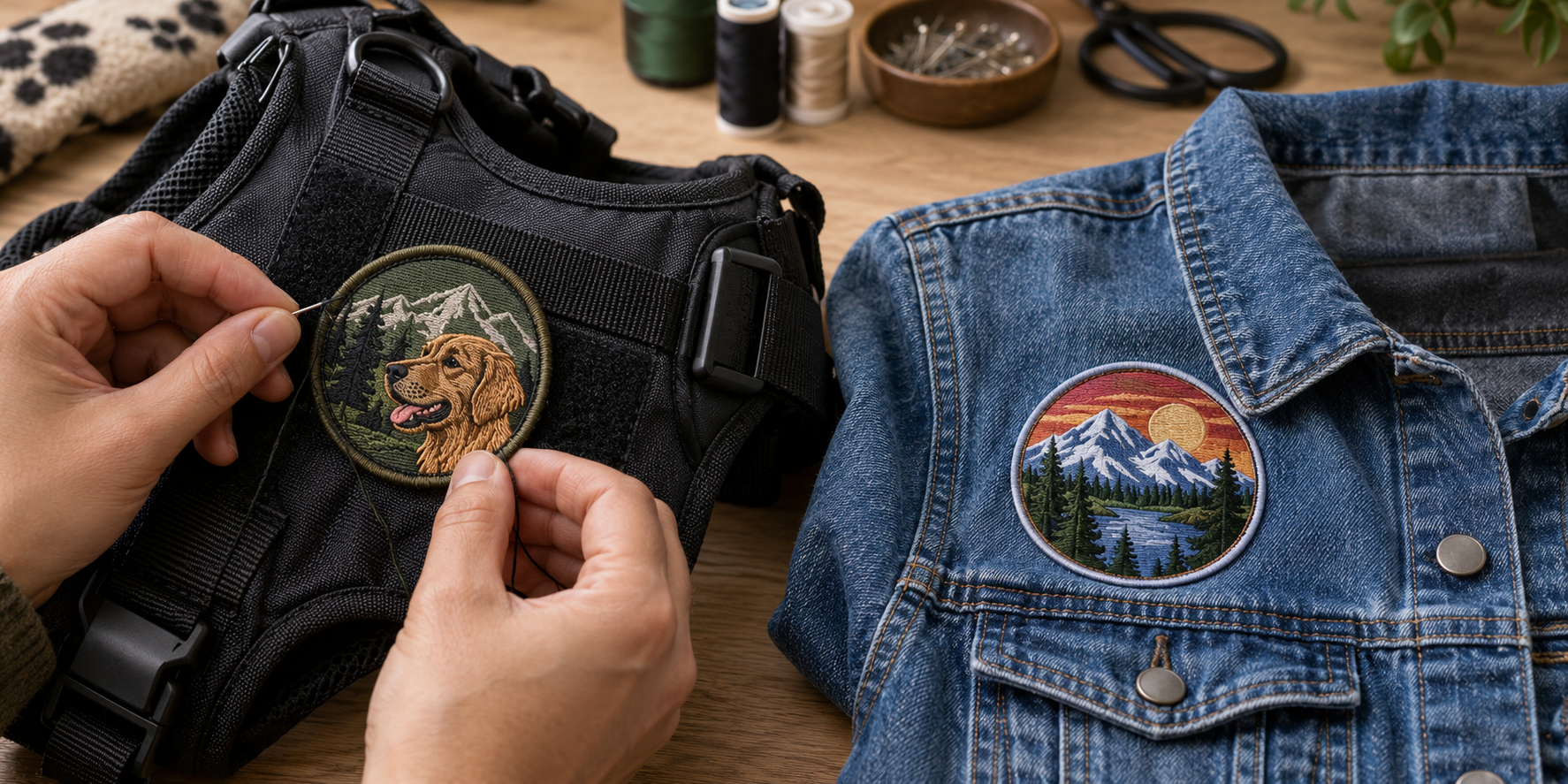
As a designer of dog gear, this is a decision I make constantly. It's not just about looks; it's about performance and safety. A patch falling off a jacket is an annoyance, but a patch falling off a dog harness could be a serious issue. While the choice seems simple, factors like fabric type, production speed, and expected product lifespan make it a critical design decision. Let's break down the pros and cons of each so you can choose wisely.
When Is an Iron-On Patch the Best Choice?
You need to apply patches quickly and cost-effectively, but sewing is too slow. You're worried about production bottlenecks and want a solution that end-users can even apply themselves.
Use iron-on patches for products made from natural, non-stretch fabrics like cotton, canvas, and denim. They are perfect for fast-fashion items, promotional products, and gear where you want to offer end-user customization without the need for a needle and thread.
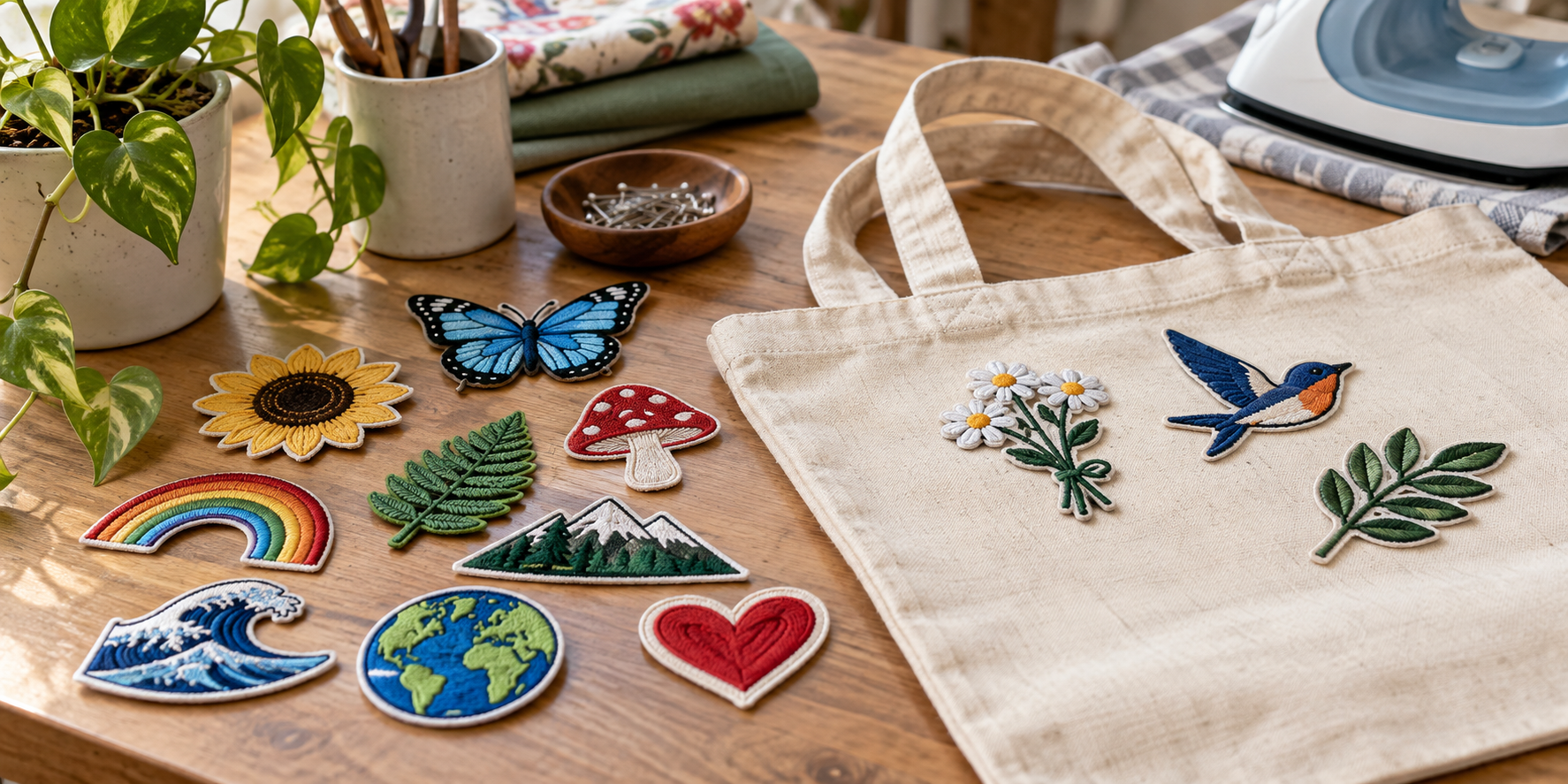
Iron-on patches use a layer of heat-activated adhesive on the back. When you apply high heat with an iron, the adhesive melts and flows into the fibers of the fabric, creating a strong bond once it cools. This method is incredibly fast, making it a favorite for large-scale production of things like promotional hats or tote bags. I've also seen brands use them brilliantly by selling patches separately, empowering customers to customize their own gear. It's a fantastic way to increase engagement. However, you must be careful about the material you're ironing onto.
Key Considerations for Iron-On Patches
The most important factor is your base material.
-
Best Use Cases:
- Cotton T-shirts and tote bags
- Denim jackets and jeans
- Canvas hats and backpacks
- Any product where you want to sell "DIY" customization packs
-
Critical Limitations:
- NEVER use on heat-sensitive synthetics like nylon, polyester, or vinyl. The fabric will melt and ruin your product. This is a non-negotiable rule for most dog collars and harnesses.
- The adhesive can weaken over time, especially with frequent, high-heat washing.
- They don't adhere well to very rough or textured surfaces.
Why Choose Sew-On Patches for Maximum Durability?
Your patches are falling off high-use products like dog vests or outdoor gear. This leads to customer complaints, returns, and damages your brand's reputation for quality.
Choose sew-on patches for any product that needs to withstand stress, frequent washing, or is made from materials that can't be ironed. This makes them the professional standard for premium, heavy-duty gear like dog harnesses, tactical equipment, and outdoor apparel.
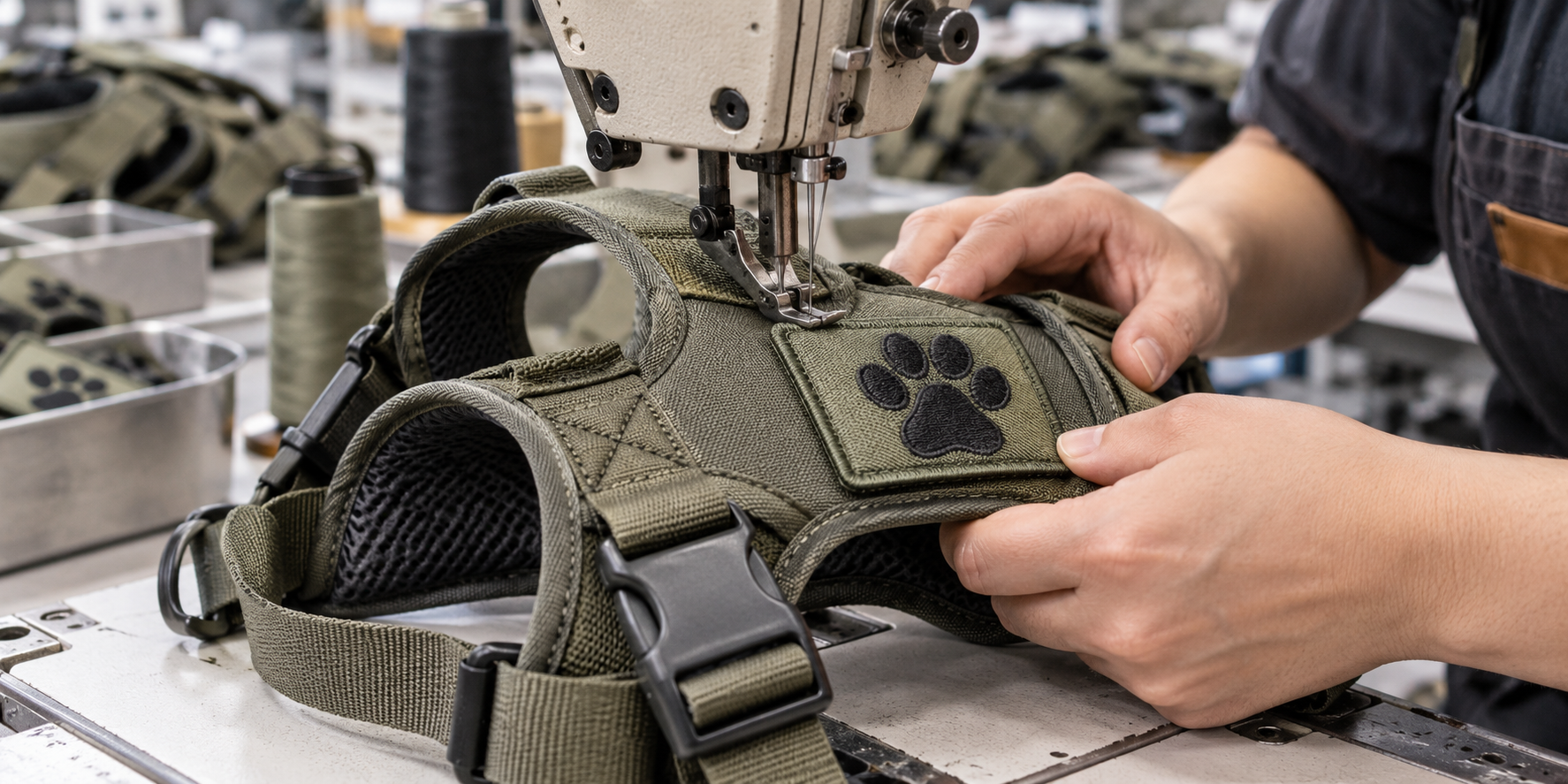
A sew-on patch is attached with thread, creating a physical, mechanical bond that is far stronger and more reliable than any adhesive. In my world of designing pet products, this is almost always the right answer. Dog gear is subjected to pulling, abrasion, dirt, and frequent washing. An adhesive bond will eventually fail under these conditions. A sewn-on patch will not. This is why you see sewn patches on military uniforms, firefighter jackets, and all high-end outdoor equipment. The application method itself is a signal of quality and durability to the end-user.
The Professional Standard
Sewing a patch on is a deliberate choice that prioritizes longevity and performance over speed.
- Unmatched Strength: The thread creates a mechanical link that won't break down from heat, water, or flexing.
- Universal Compatibility: You can sew a patch onto literally anything you can get a needle through. This is the biggest advantage. It works on nylon webbing, leather, neoprene, mesh, and thick canvas—materials common in pet products but impossible to iron.
- Longevity: A properly sewn patch will last as long as the product it's attached to. It becomes a permanent part of the item.
Can You Use Both Iron-On Plus Sewing?
You want the easy placement of an iron-on but the bulletproof security of a sew-on. You're worried that pinning a patch will be slow and imprecise during production.
Yes, and you absolutely should. Using an iron-on patch and then sewing it down is a professional technique that gives you the best of both worlds. The adhesive acts as a temporary glue, holding the patch perfectly in place while you sew it for permanent security.
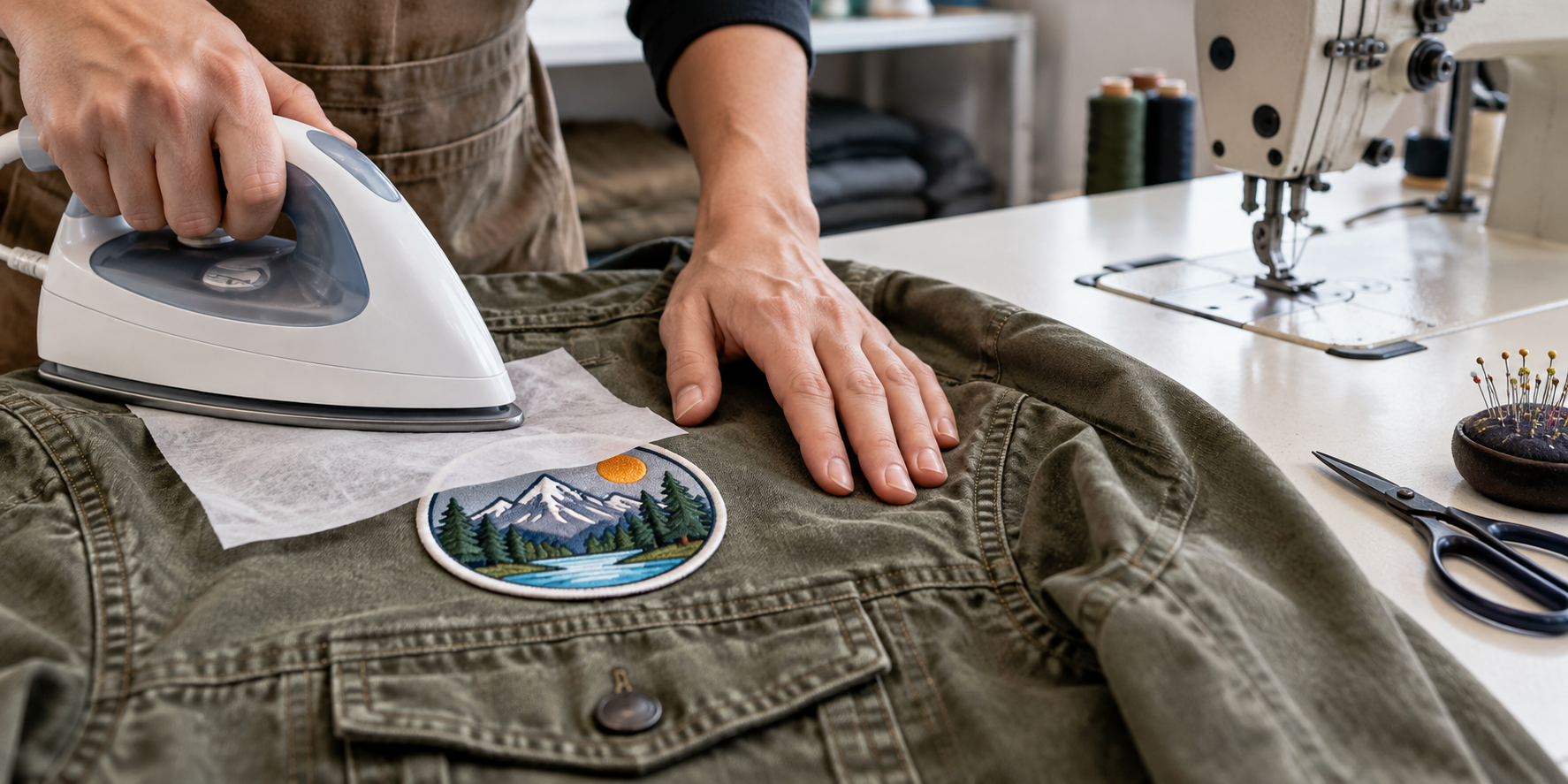
This is my favorite trick, and it's standard practice in high-quality manufacturing. Trying to hold a patch in place with pins while sewing can be clumsy, and the patch can shift, resulting in a crooked placement. By using a patch with an iron-on backing, you can position it perfectly, apply a short burst of heat to tack it in place, and then take it to the sewing machine. The adhesive does the job of holding it steady, allowing for a fast, clean, and perfectly straight stitch line every time. It removes all the guesswork from placement.
The Hybrid Method: Step-by-Step
This method is about efficiency and perfection.
- Position: Place the iron-on patch exactly where you want it.
- Tack: Use an iron to apply just enough heat to activate the glue and tack the patch in place. You don't need to create a full, permanent bond.
- Sew: With the patch now held firmly, sew around the border. The sewing machine needle will go through the adhesive layer without a problem.
- Result: You get the perfect placement of an iron-on and the unbeatable durability of a sew-on. It's the ultimate professional finish.
Conclusion
For durability on any material, sew-on is king. For quick application on cotton or denim, iron-on is great. For a perfect, durable finish, use an iron-on backing for placement and then sew it on.