An unsuitable patch edge can make a professional design look unfinished, increase production costs, and affect product quality. Understanding both finishing methods helps buyers choose correctly.
Merrowed edges use overlock stitching to create a thick, rounded border, while heat-cut edges seal or finish the patch perimeter through controlled heat. Merrowed edges suit traditional embroidered patches, whereas heat-cut edges are better for intricate shapes, narrow borders, and detailed custom patch designs.
For brands and wholesale buyers, choosing the right edge finish is an important part of developing a consistent, market-ready custom patch collection.
1. What Is the Difference Between Merrowed and Heat-Cut Patch Edges?
The main difference between merrowed and heat-cut patch edges is how the perimeter is finished. Each method creates a different appearance, thickness, and level of design flexibility.
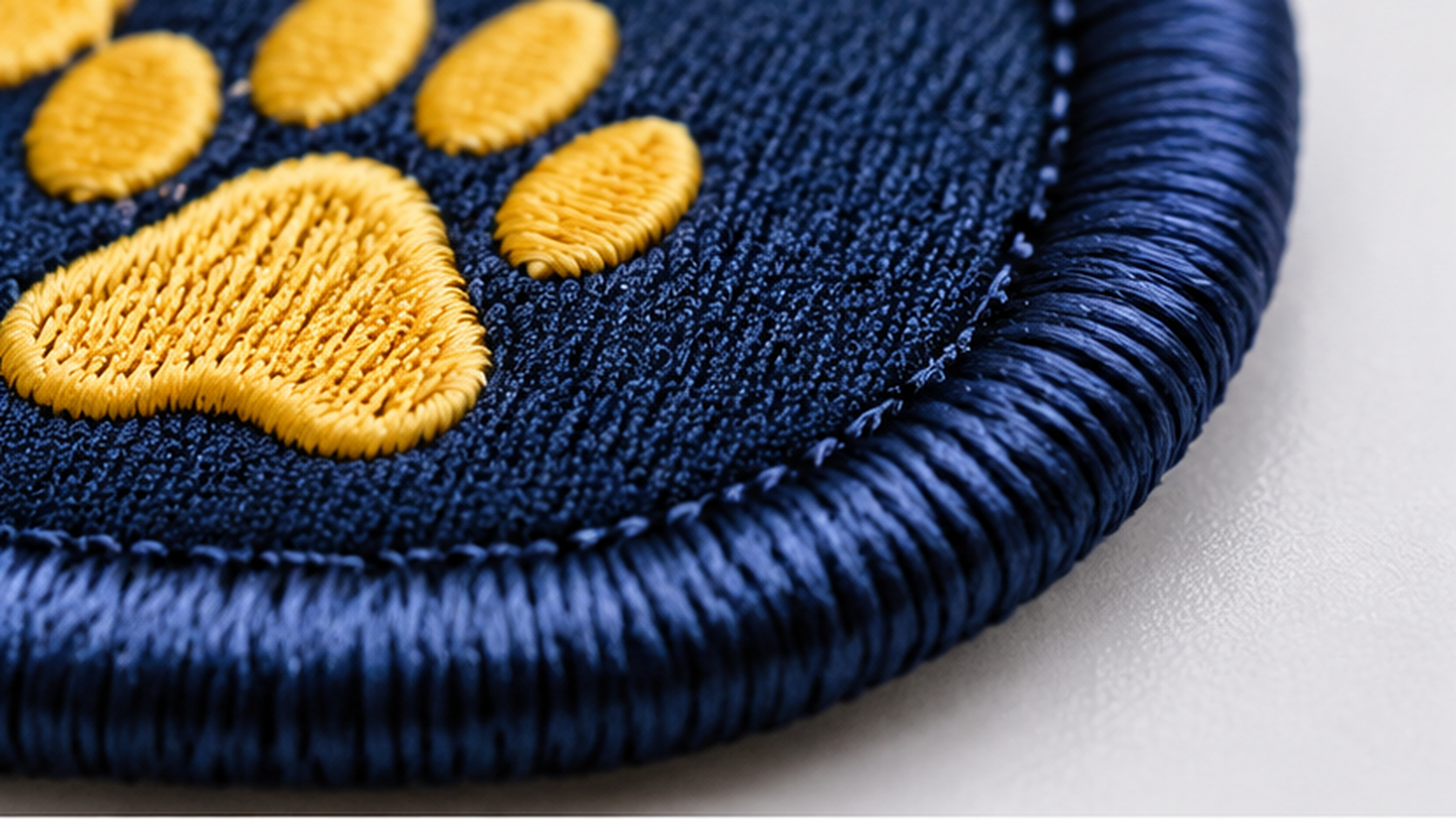
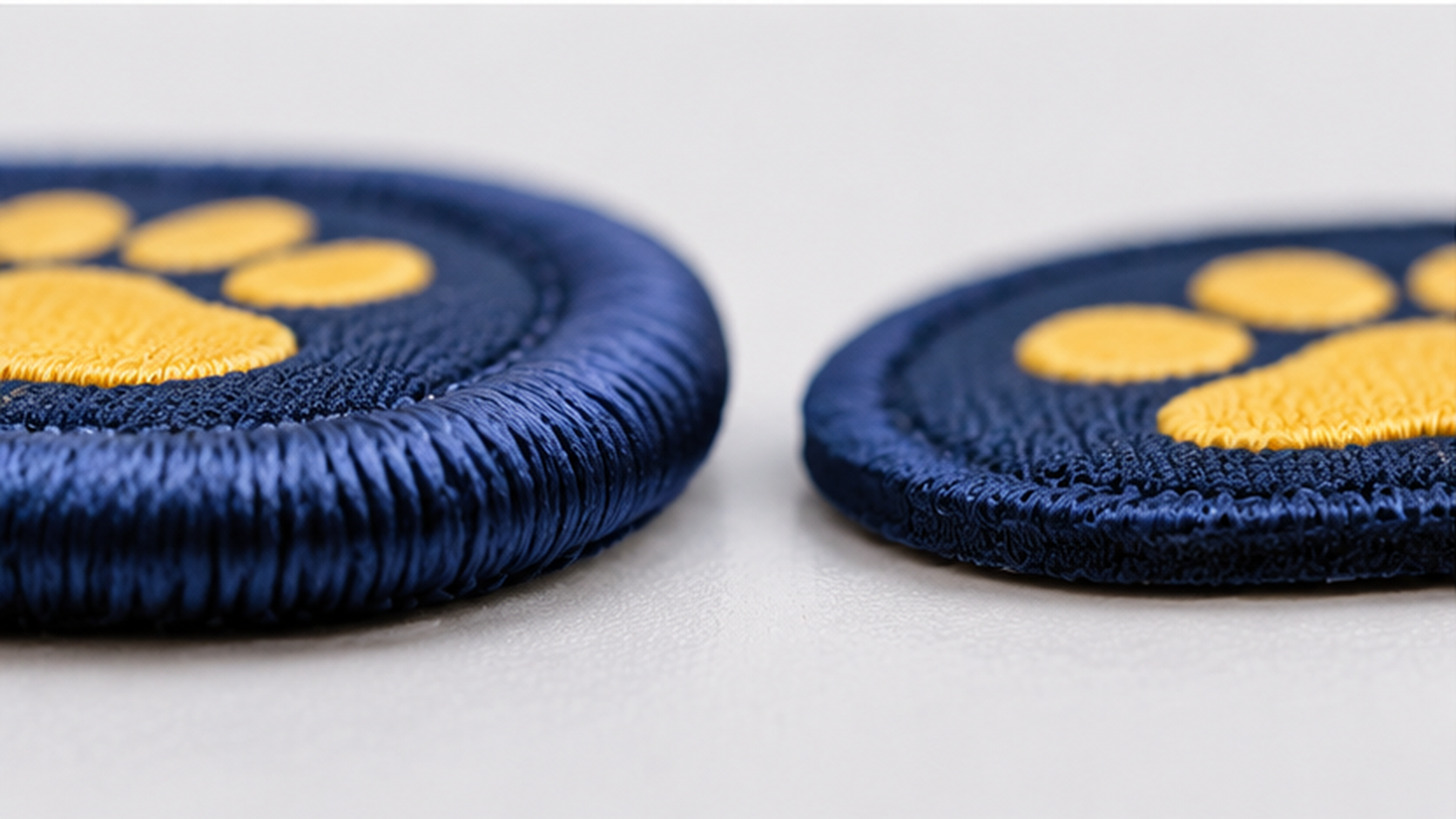
A merrowed edge is produced using overlock stitching around the outside of a patch. The thread wraps around the perimeter, forming a raised, rounded border. This traditional finishing method is commonly associated with custom embroidered patches, badges, and uniform patches. It gives the patch a defined outline and a substantial appearance.
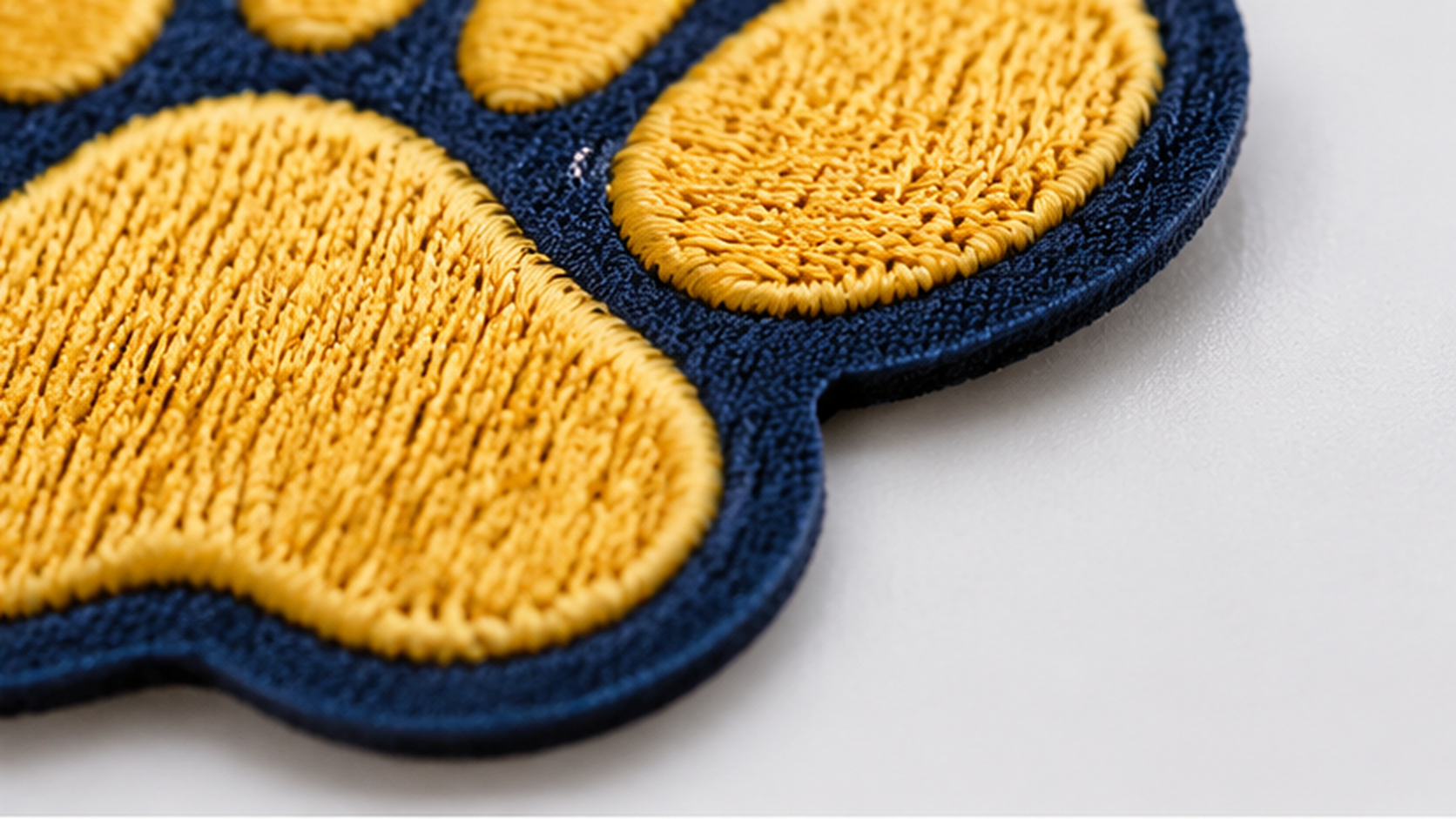
A heat-cut edge uses a heated cutting process to trim the patch material and, where the substrate allows, seal the cut perimeter. This creates a cleaner, flatter profile without the thick stitched border. Heat-cut finishing is particularly useful for custom patches with complex outlines, small details, or non-standard shapes.
From a B2B purchasing perspective, the difference affects more than appearance. Edge construction influences the available design shapes, finished dimensions, material compatibility, and overall product positioning.
For example, a traditional circular embroidered logo may look more balanced with a merrowed border. A custom-shaped logo with narrow curves, pointed corners, or irregular outlines may require heat-cut finishing to preserve its intended silhouette.
Buyers should also consider the patch material. Merrowed finishing is commonly used for suitable embroidered patch constructions, while heat-cutting depends on whether the material can be processed cleanly without unwanted melting, fraying, or distortion.
Before approving a bulk order, ask your patch manufacturer to recommend an edge finish based on the actual artwork, backing material, and intended application.
2. When Should You Choose Merrowed Edges for Custom Embroidered Patches?
Merrowed edges are a strong choice when your design requires a traditional embroidered appearance, a clearly defined outline, and a substantial border.
This finishing method is especially suitable for round, oval, square, and rectangular patches. These regular shapes allow the overlock stitching to follow the perimeter consistently, creating a neat and recognizable border.
For corporate uniforms, workwear, sports clubs, outdoor equipment, and promotional merchandise, merrowed edge patches can provide a classic professional look. The raised stitched border also helps visually separate the embroidered design from the surrounding garment or backing material.
Another consideration is brand presentation. If your business uses traditional embroidered logos, a merrowed border can reinforce the established appearance of your identity. It is particularly suitable when the design includes a relatively simple outline and enough space for the border stitching.
However, merrowed edges are not ideal for every design. The overlock border adds width to the patch perimeter, so very small details, sharp corners, and complicated outlines may be difficult to reproduce as intended. Buyers should account for the border width when confirming the final patch dimensions.
For OEM and private label projects, it is useful to provide your manufacturer with the original logo artwork, preferred patch dimensions, border color, and intended application. A physical sample can then be reviewed for stitch appearance, edge consistency, and overall proportions.
If your priority is a traditional embroidered badge with a durable-looking stitched perimeter, merrowed edge finishing is worth considering.
3. When Are Heat-Cut Edges Better for Custom Patch Designs?
Heat-cut edges are often a better option when the patch design has an irregular silhouette, intricate outline, or narrow perimeter that would be difficult to achieve with a thick overlock border.
Unlike merrowed finishing, heat-cut finishing does not require a separate raised border of overlock stitching. This allows the patch to follow more closely the intended outline of the artwork, depending on the material and cutting process.
For example, a brand logo with pointed extensions, custom lettering, small decorative shapes, or an unusual silhouette may benefit from heat-cut finishing. It can also be suitable for patches designed to fit specific areas of jackets, bags, uniforms, and pet apparel.
Another advantage is the flatter edge profile. When a patch needs to maintain a relatively slim appearance, avoiding a bulky stitched border can make the finished product easier to integrate into the overall design.
However, heat-cut finishing is not automatically suitable for every fabric. Some materials may melt unevenly, become discolored, or develop an undesirable edge when exposed to heat. The manufacturer must evaluate the substrate and select an appropriate cutting method.
It is also important to understand that heat-cut edges and laser-cut edges are not necessarily identical processes. Both can be used for shaped material components, but the appropriate method depends on the material, equipment, and required finish.
For B2B buyers developing custom logo patches, the best approach is to submit the actual artwork and material requirements before confirming production. Your supplier can evaluate whether the design can be cut cleanly and whether additional edge reinforcement is necessary.
Heat-cut finishing is particularly worth discussing when design accuracy, intricate outlines, and a clean, low-profile appearance are more important than a traditional raised border.
4. How Can You Choose the Right Edge Finish for Bulk Patch Production?
Choosing between merrowed and heat-cut edges should involve more than comparing photographs. Wholesale buyers need to evaluate design complexity, material compatibility, finished dimensions, application requirements, and production consistency.
Start with the patch artwork. If your logo has a regular shape and a traditional embroidered appearance, merrowed finishing may be the more appropriate choice. If the design includes irregular contours, narrow sections, or detailed outlines, heat-cut finishing may provide greater flexibility.
Next, consider the material and construction. Embroidery, woven fabric, printed fabric, and other patch substrates may require different finishing approaches. A method that works well for one material should not automatically be applied to another.
The intended application is equally important. Patches for uniforms, workwear, bags, promotional products, and pet accessories may have different appearance and attachment requirements. Buyers should also confirm whether the patch will use a sew-on backing, heat-transfer adhesive, hook-and-loop backing, or another attachment method. Edge finishing and backing selection should be evaluated together.
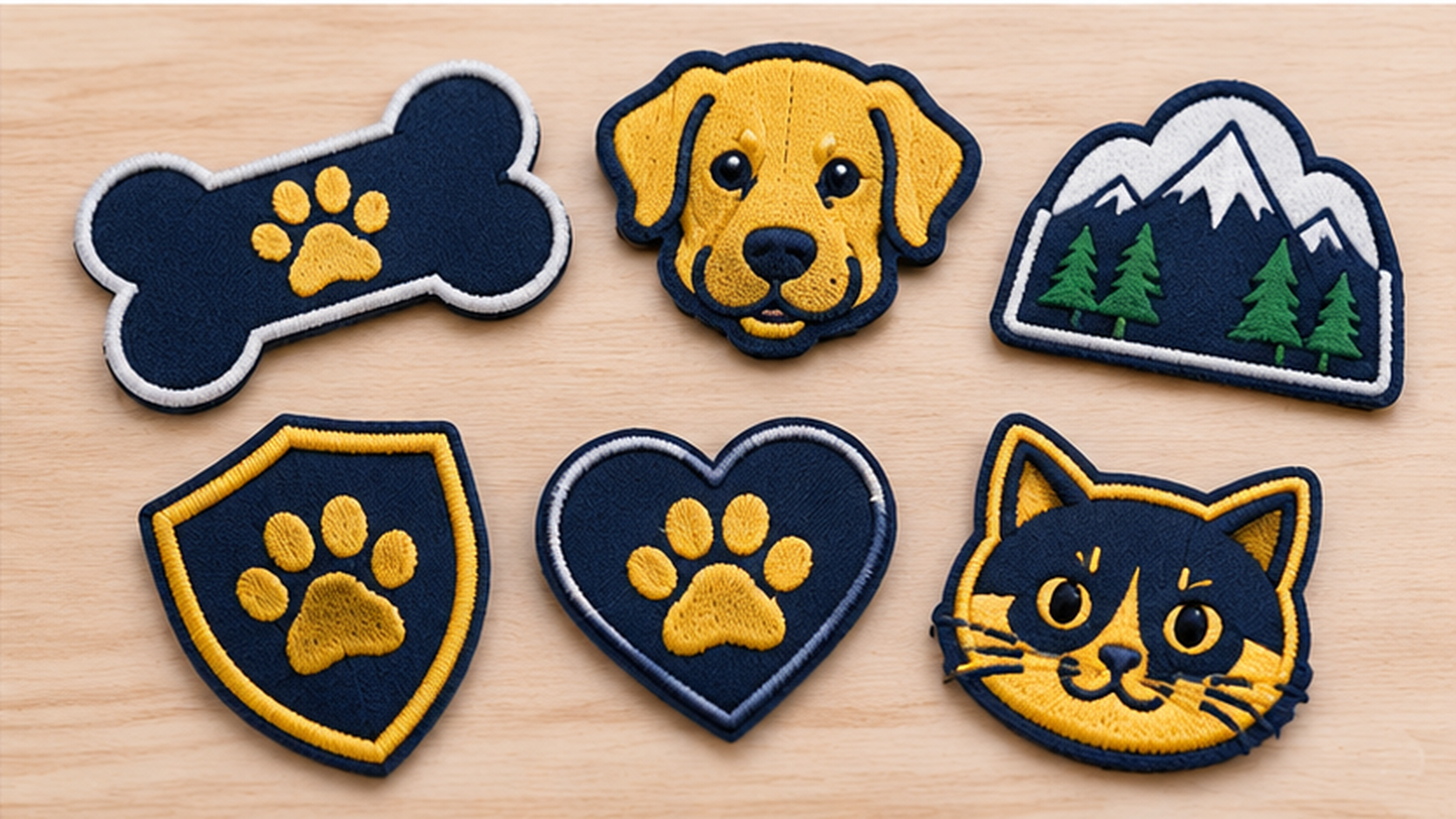
Before bulk production, request a pre-production sample. Check the border thickness, shape accuracy, thread consistency, cutting quality, and overall dimensions. If the patch will be attached to a finished product, review it in its intended position rather than evaluating it separately.
For private label brands and wholesale distributors, documenting the approved patch specifications is also important. Keep the artwork, dimensions, edge finish, material, color references, and backing requirements together. This makes repeat orders easier to manage and helps reduce misunderstandings between buyers and manufacturers.
Working with an experienced custom patch manufacturer can make this process more efficient. A supplier should be able to review your design, explain material limitations, recommend a suitable finishing method, and provide samples for approval before bulk manufacturing begins.
The best edge finish is ultimately the one that supports your design, application, and production requirements without compromising the intended appearance.
Merrowed and heat-cut edges serve different design needs. Choose the finishing method that best matches your patch artwork, material, and intended application.