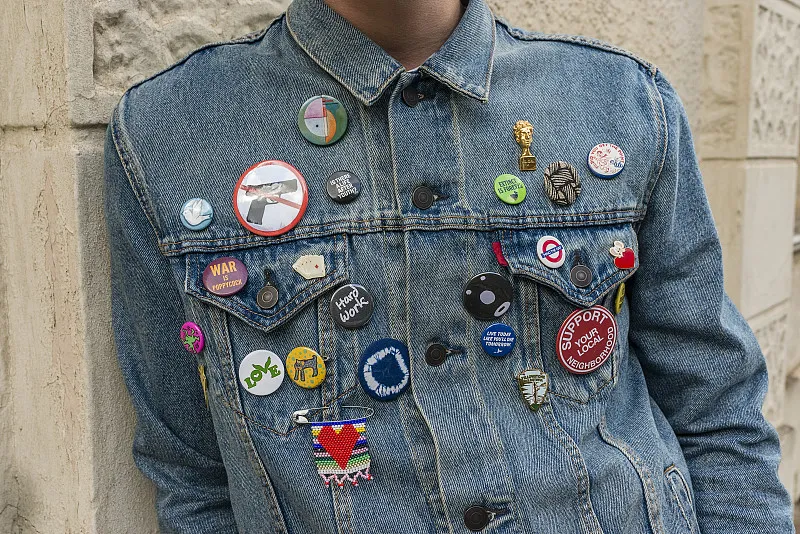
Are you wondering where to place that cool new patch you just got? Pinpointing the perfect spot can be tricky, right?
Finding the ideal placement for a patch involves balancing visibility, comfort, and the patch's purpose. Consider areas like jackets, backpacks, hats, or even custom apparel, ensuring the patch is securely attached and doesn't hinder movement.

I've been working with pet product design for years, and I've learned a lot about how people interact with their gear, including where they put their patches. The right placement can really make a statement, while the wrong one can just look awkward or even fall off. So, let's dive into some of the best spots to rock your patches.
What are the best locations for patches on clothing?
Ever put a patch on a shirt only for it to crinkle up or feel weird? It's a common issue, right?
The best locations for patches on clothing are flat, stable areas that experience minimal creasing or stretching during wear, such as the upper arm of a jacket, the chest pocket area, or the back yoke of a vest.

From my experience designing dog harnesses and gear, I've seen how much thought goes into where labels and decorative elements are placed. It's not just about looking good; it's about functionality and durability. When it comes to clothing, you want a spot that shows off your patch without getting in the way or getting damaged.
What are common areas for patches on jackets and vests?
When thinking about jackets and vests, certain spots naturally stand out for patch placement. These areas are popular because they offer good visibility without sacrificing comfort.
| Placement Area | Pros | Cons | Best For |
|---|---|---|---|
| Upper Arm (Sleeve) | High visibility; classic look | Can wrinkle if arm bends frequently | Unit patches, brand logos, personal statements |
| Chest Pocket | Easily seen; often a flat surface | Can be obscured by bags or arms | Small, intricate patches, club affiliations |
| Back Yoke/Shoulder | Great for larger patches; visible from behind | Less visible from the front | Large designs, team emblems, artistic pieces |
| Lower Front Panel | Good for multiple smaller patches | Can get rubbed or caught on surfaces | Collection of patches, decorative elements |
| Collar | Unique; adds a subtle detail | Can be uncomfortable; limited space | Small, minimalist patches |
When I was first starting out in product design, I'd often experiment with different placements for branding on prototype pet products. The same principles apply to patches on clothing. You want a spot that's not too busy and allows the patch to lay flat. The upper arm, for example, is a classic for a reason – it's visible, and the fabric usually stays relatively smooth. Chest pockets are also great because they provide a natural frame for smaller patches. For larger statement pieces, the back yoke or even the entire back of a jacket offers a canvas. The key is to consider how the garment moves and where the patch will be most protected while still being seen. Think about what your patch says and where it needs to be to say it best.
How do different clothing types affect patch placement?
Different clothes have different shapes and functions, which changes where a patch will work best. You can't just stick a patch anywhere and expect it to look good and stay put.
| Clothing Type | Ideal Patch Placement Areas | Considerations | Examples of Patches |
|---|---|---|---|
| Denim Jacket | Upper arm, chest, back panel | Durable fabric supports heavy patches; classic look | Band logos, travel souvenirs, art patches |
| Backpack | Front flap, side pockets, main body | Must withstand rubbing; material strength important | Brand patches, motivational quotes, hiking badges |
| Hats (Baseball Caps) | Front crown, side panel | Limited flat space; must not interfere with fit | Sports teams, company logos, fun symbols |
| Work Overalls | Chest pockets, upper arm, leg | Needs to be durable; should not hinder movement | Safety patches, company logos, rank insignia |
| T-Shirts | Chest, upper arm (if sleeves are stable) | Lighter fabric may require lighter patches; wash care | Event patches, graphic designs, small logos |
When I was designing specialized harnesses for working dogs, I had to think about every detail, from material strength to how the design would hold up to tough conditions. This mindset carries over to patches. A denim jacket is a forgiving canvas; its sturdy fabric can handle almost any patch size and type. You can go big on the back or add smaller ones to the chest. Backpacks are also great because they're designed to take a beating, so patches on them often last well, especially on the main flap or side pockets. For hats, you're usually limited to the front or side, and the patch needs to be sized correctly to fit the curve. With lighter fabrics like those used for t-shirts, you have to be careful. A heavy, stiff patch might pull or wrinkle the fabric, making the shirt uncomfortable or look odd. I always recommend considering the weight and flexibility of both the patch and the garment to ensure they're a good match.
How can patch placement enhance personal expression?
Do you ever feel like your patches just blend in and don't really pop? It's all about how you place them!
Strategic patch placement is a powerful tool for personal expression, allowing individuals to showcase their identity, affiliations, and interests in a visually impactful way by choosing locations that highlight each patch's message.

From my perspective in design, the arrangement of elements is everything. It's not just about having a patch; it's about telling a story with it. I've seen people use patches on dog vests not just for identification, but to express the dog's personality or training level. The same goes for us. Your jacket or bag becomes a canvas, and each patch is a brushstroke.
What are creative ways to arrange multiple patches?
Arranging multiple patches isn't just about sticking them wherever they fit. It's an art form, really, and it can turn a plain item into a statement piece.
| Arrangement Style | Description | Impact | Best For |
|---|---|---|---|
| Clustering | Grouping patches closely together in a small area | Creates a focal point; tells a mini-story | Themed collections, badges of achievement |
| Scattered/Random | Patches placed organically across a larger surface | Casual, eclectic, "collected over time" look | Travel patches, varied interests, artistic expression |
| Linear/Row | Arranging patches in a straight line or pattern | Neat, organized, formal feel; emphasizes order | Rank insignia, brand logos, uniform patches |
| Layered | Overlapping patches slightly for depth | Adds dimension; can convey a "collage" feel | Artistic designs, personal collages, worn-in look |
| Thematic Grouping | Placing patches related to a single theme together | Clear storytelling; strong message | Music genres, causes, specific events |
In my design work, especially when putting together different components for a new product, I think about how each piece relates to the others. With patches, you can create a similar kind of visual harmony or intentional contrast. Clustering patches creates a dense, eye-catching spot, like a badge of honor on a sleeve. A scattered approach gives a more relaxed, "lived-in" vibe, as if you've collected them over many adventures. I often see this on travel backpacks. Linear arrangements are great for a more orderly, uniform look, perfect for displaying a series of achievements or affiliations. Layering can add a lot of visual interest and depth, making the piece feel more artistic and personalized. Ultimately, how you arrange your patches reflects your personality and the story you want to tell.
How can patch placement communicate identity or affiliation?
Patches are more than just decoration; they're often a powerful way to show who you are or what you're part of. Think of military uniforms or biker vests.
| Identity/Affiliation | Common Patch Placement | Reasoning | Example Patches |
|---|---|---|---|
| Military/Service | Upper arm, chest | Standardized for recognition; clear hierarchy | Rank patches, unit insignia, flag patches |
| Biker Culture | Back of vest, chest | Highly visible; club identity and loyalty | Club logos, territorial rockers, memorial patches |
| Hobby/Interest | Backpack, jacket | Personal expression; shared interests | Band patches, gaming guilds, hiking clubs |
| Brand Loyalty | Chest, sleeve | Shows support for a specific company or product | Car brands, outdoor gear companies, fashion labels |
| Cause/Advocacy | Visible chest, bag | Raises awareness; public statement of values | Environmental causes, social justice movements |
When I design specialized gear, say for search and rescue dogs, the placement of identifying patches is crucial. It needs to be instantly recognizable and clear. For people, the principle is similar. If you're part of a club or a team, placing a patch prominently on your chest or the back of a jacket makes that affiliation clear to everyone around them. Military and service patches have very specific regulations for placement, precisely because they communicate rank, unit, and branch. Biker patches on the back of a vest are a classic example of group identity, often telling a whole story about the wearer's journey and allegiances. Even a simple band patch on a denim jacket immediately tells people about your musical tastes. The placement isn't random; it's a deliberate choice to convey a message about who you are and what you stand for.
What about placing patches on backpacks and hats?
Placing patches on bags and headwear presents unique opportunities and challenges compared to clothing. You want them to be seen but also secure.
For backpacks, aim for flat, less-abrasion-prone areas like the front flap or main compartment. On hats, the front crown is classic, but side panels offer a more subtle statement, always considering the hat's curve and fabric.

In my work, I've designed dog backpacks and specialized carrying solutions. Durability and accessibility are always top concerns. For human backpacks, the same applies. You want your patch to survive the journey. Hats, on the other hand, are often about a single, clear statement.
Where are the best places for patches on backpacks?
Backpacks are fantastic canvases for patches because they offer a lot of surface area and are often quite durable. However, not all areas are created equal.
| Backpack Placement Area | Pros | Cons | Best For |
|---|---|---|---|
| Front Flap/Panel | High visibility; often flat and less prone to wear | Can get scratched if backpack is dragged | Large statement patches, travel destinations, brand logos |
| Side Pockets | Good for smaller, secondary patches; easy access | Can be obscured by items in the pocket; less visible | Small identification patches, national flags |
| Main Compartment Body | Large surface for multiple patches; protected | Can rub against walls or other objects | Themed collections, artistic collages |
| Strap (Upper) | Visible while wearing; easy to see | Can feel bulky or uncomfortable with larger patches | Small motivational patches, club insignias |
| Top Grab Handle Area | Unique spot; less common | Limited space; can be awkward | Very small, minimalist patches, personal symbols |
When I designed a modular system for dog vests, I had to think about where different pouches and badges would attach without interfering with the dog's movement or comfort. For human backpacks, it's similar. The front flap or main panel is usually your safest bet for larger, more important patches. This area is often flat, and while it gets some exposure, it's generally not where the bag takes the most direct impact. Side pockets are good for smaller patches, maybe something like a country flag from a trip. Avoid placing patches on areas that will constantly rub against your back or the ground, as they will wear out much faster. I always advise thinking about how you use your backpack and where the patch will be most protected yet still seen.
What are the ideal spots for patches on hats?
Hats offer a more compact space for patches, and the curvature of most hats needs to be considered. You want the patch to sit smoothly and not distort the hat's shape.
| Hat Placement Area | Pros | Cons | Best For |
|---|---|---|---|
| Front Crown (Center) | Classic, most visible spot; strong statement | Can be the only patch location; limits size | Team logos, brand emblems, primary symbols |
| Side Panel | Subtle statement; good for smaller logos | Less immediately visible; might be curved | Small brand tags, minimalist designs |
| Back Above Opening | Discreet; good for small, personal touches | Very limited space; often on curved surface | Initials, small numbers, hidden messages |
| Brim (Flat Brims Only) | Unique; modern look | Only works on flat brims; can get dirty easily | Small text, symbols, artistic flair |
Designing adjustable collars often involves working with curved surfaces, and I've learned that not every material or design adapts well to a curve. The same goes for hat patches. The front crown of a baseball cap is the most common spot, and for good reason – it's the most prominent and usually the flattest area. Here, a well-placed patch can make a strong brand statement or show off your team loyalty. If you want something more subtle, the side panel can work, but you need to make sure the patch isn't too stiff or it will pucker the fabric. The back of the hat, above the adjustment strap, is perfect for a small, personal touch, like initials or a number, but space is very limited. For flat-brimmed hats, the brim itself can be a cool spot for a small patch, but be aware it's prone to wear and tear. Always choose a patch size and material that complements the hat's structure.
Conclusion
Placing your patches thoughtfully on clothes, backpacks, or hats makes a big difference. Think about visibility, comfort, and what story you want your patch to tell about you.