Choosing a patch for your new dog gear seems easy, until you face a dozen options. The wrong choice can ruin your design's look and feel, affecting durability and brand perception.
The most common types of patches are embroidered, woven, PVC/rubber, printed, and leather. Each type offers a unique combination of texture, detail, durability, and cost, making them suitable for different applications, from branding on dog harnesses to detailed logos on apparel.
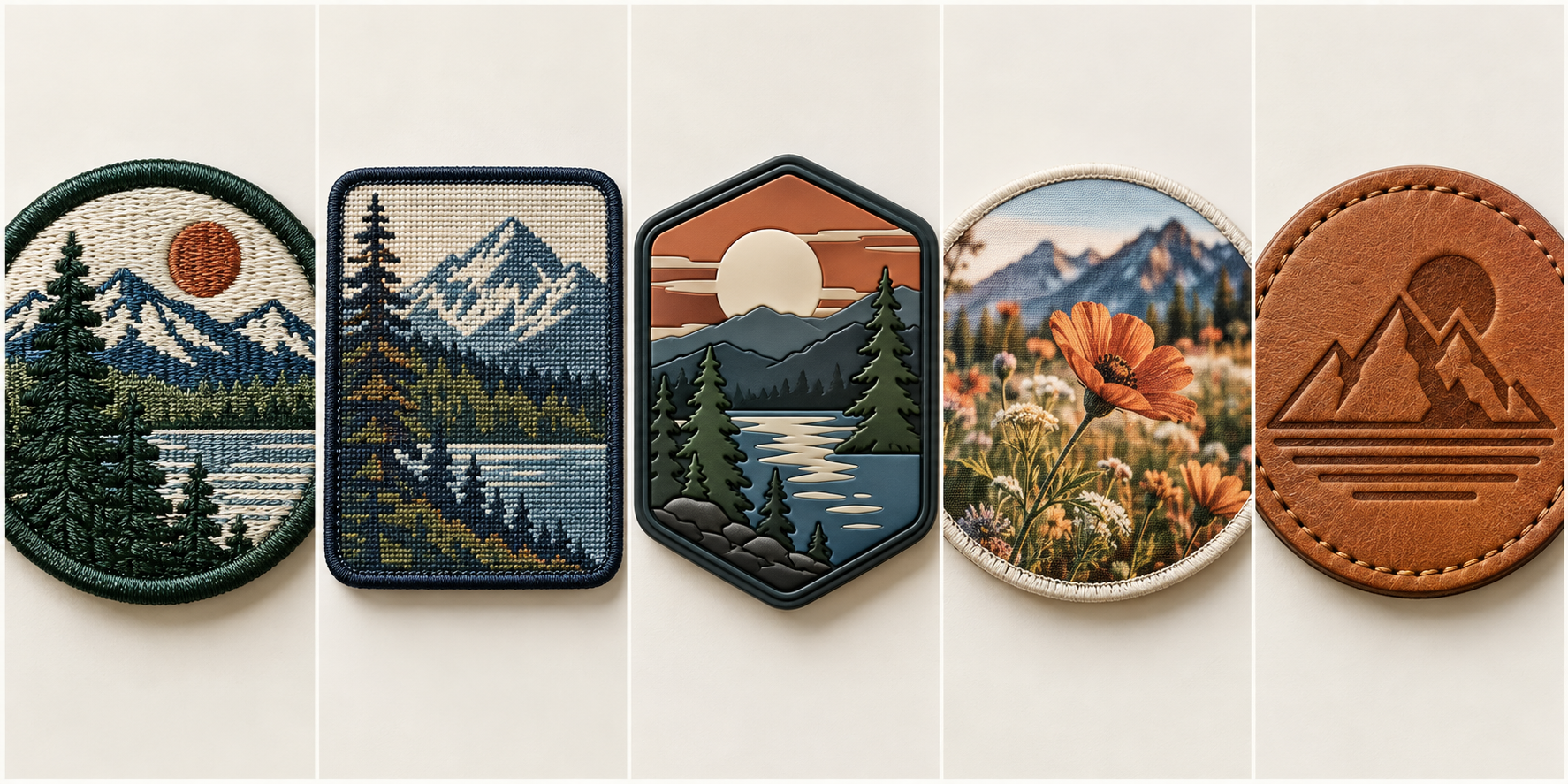
The choice of a patch seems like a small detail, but it communicates so much about a brand. As a consultant in the pet industry, I've worked on countless dog harnesses and vests where the patch was the focal point. It's not just a label; it's a statement about quality and purpose. For a designer like Frank, knowing the strengths and weaknesses of each type is crucial for making the right call between aesthetics, function, and budget. Let's break down the main categories you'll encounter.
When Should You Choose a Classic Embroidered Patch?
Your design calls for a patch with a timeless, textured feel, but you're concerned about losing detail. Simple logos can look chunky or unrefined if the patch type is wrong and the stitching is too thick.
Choose a classic embroidered patch when you need a durable, high-quality patch with a raised, 3D texture. They are ideal for bold logos, simple text like "Service Dog," and designs without intricate details, offering a traditional look that conveys quality and permanence.
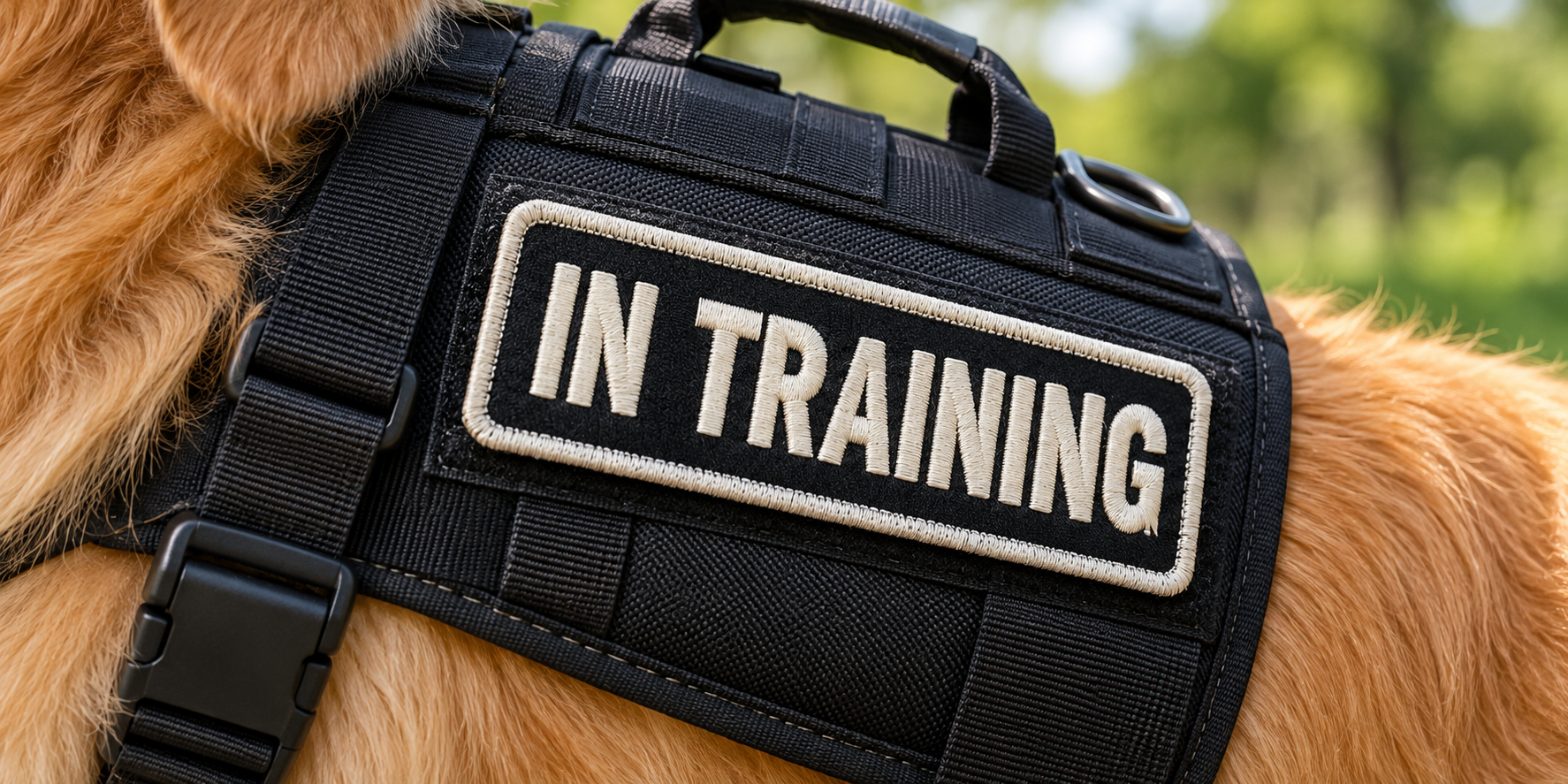
Embroidered patches are the industry standard for a reason. They are created by stitching thread onto a substrate, usually a twill fabric backing. This process gives them their signature raised texture and depth, which feels substantial and high-quality. I often recommend them for branding on rugged gear where durability is key. The stitching is tough and holds up well to abrasion. However, there's a trade-off. The thickness of the thread limits the level of detail you can achieve. Frank, when you're designing a patch with simple, bold text or a graphic without fine lines, embroidery is your best bet. Think about those classic "SECURITY" or "THERAPY DOG" patches on working dog vests. The bold, clear look is perfect. But if your logo has tiny text or complex gradients, the threads will merge and the details will be lost.
Embroidered Patch: Key Considerations
| Aspect | Strength | Weakness |
|---|---|---|
| Detail | Low to Medium | Cannot reproduce fine lines or small text well. |
| Texture | High (Raised 3D feel) | The texture can sometimes obscure parts of a design. |
| Durability | Excellent | Threads can occasionally snag on very rough surfaces. |
Are Woven Patches a Better Choice for Detailed Logos?
You have a complex logo with fine text and intricate lines that an embroidered patch just can't handle. You need a solution that is crisp and clean without sacrificing a fabric feel.
Yes, woven patches are a better choice for detailed logos. They use thinner threads that are woven together to create the patch itself, allowing for much higher resolution and the ability to reproduce small text and intricate details with photographic clarity.
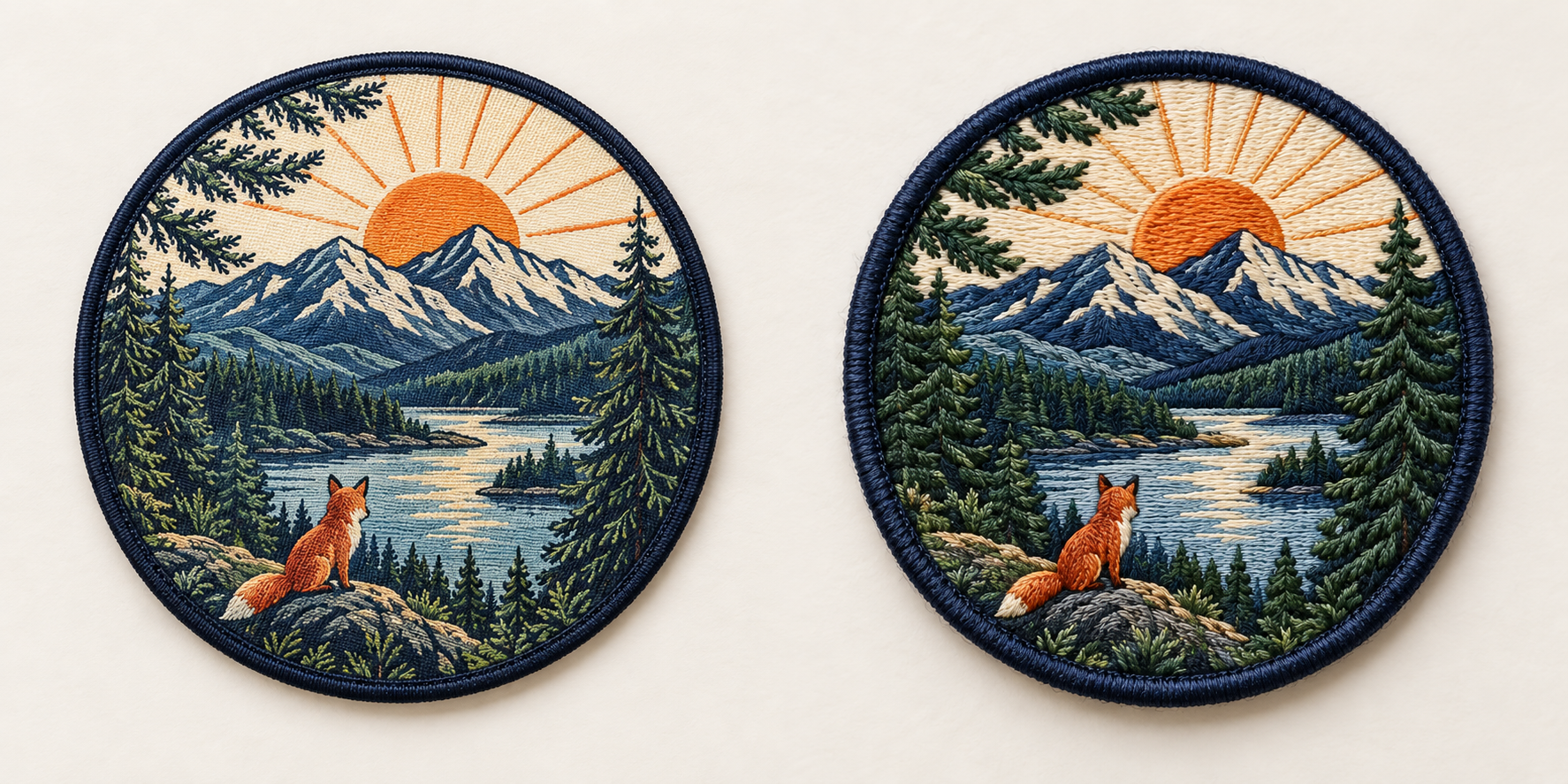
Woven patches are the solution when detail is non-negotiable. Unlike embroidered patches where thread is stitched onto a backing, woven patches are created by weaving threads together to form the entire patch, similar to how a label is made. This process uses much finer threads, resulting in a flat, smooth surface with incredible precision. I worked with a client who had a beautiful, intricate crest for their luxury pet brand. Embroidery turned it into an unreadable blob. Switching to a woven patch was a revelation; every tiny line and letter was perfectly clear. For you, Frank, if your design for a high-fashion urban pet accessory line has a complex logomark, woven is the way to go. You get the clean detail of a printed design but retain the premium, fabric-based feel that customers associate with quality apparel and accessories. They are a fantastic way to elevate a product.
Woven Patch: Key Considerations
- Flat Surface: Lacks the 3D texture of embroidery, which can be a pro or a con depending on the desired aesthetic.
- High Resolution: Capable of capturing very fine details, making them perfect for complex logos and small fonts.
- Clean Edges: The weaving process allows for very clean and precise patch edges, contributing to a sharp, modern look.
Why are PVC/Rubber Patches Gaining Popularity on Outdoor Gear?
You're designing a weatherproof dog harness for hiking and need a patch that can withstand mud, rain, and abuse. A fabric patch might get dirty, fray, or fade over time.
PVC/rubber patches are gaining popularity on outdoor gear because they are extremely durable, waterproof, and easy to clean. Their modern, tactical look and ability to be molded into 3D shapes make them ideal for rugged products that demand high performance.
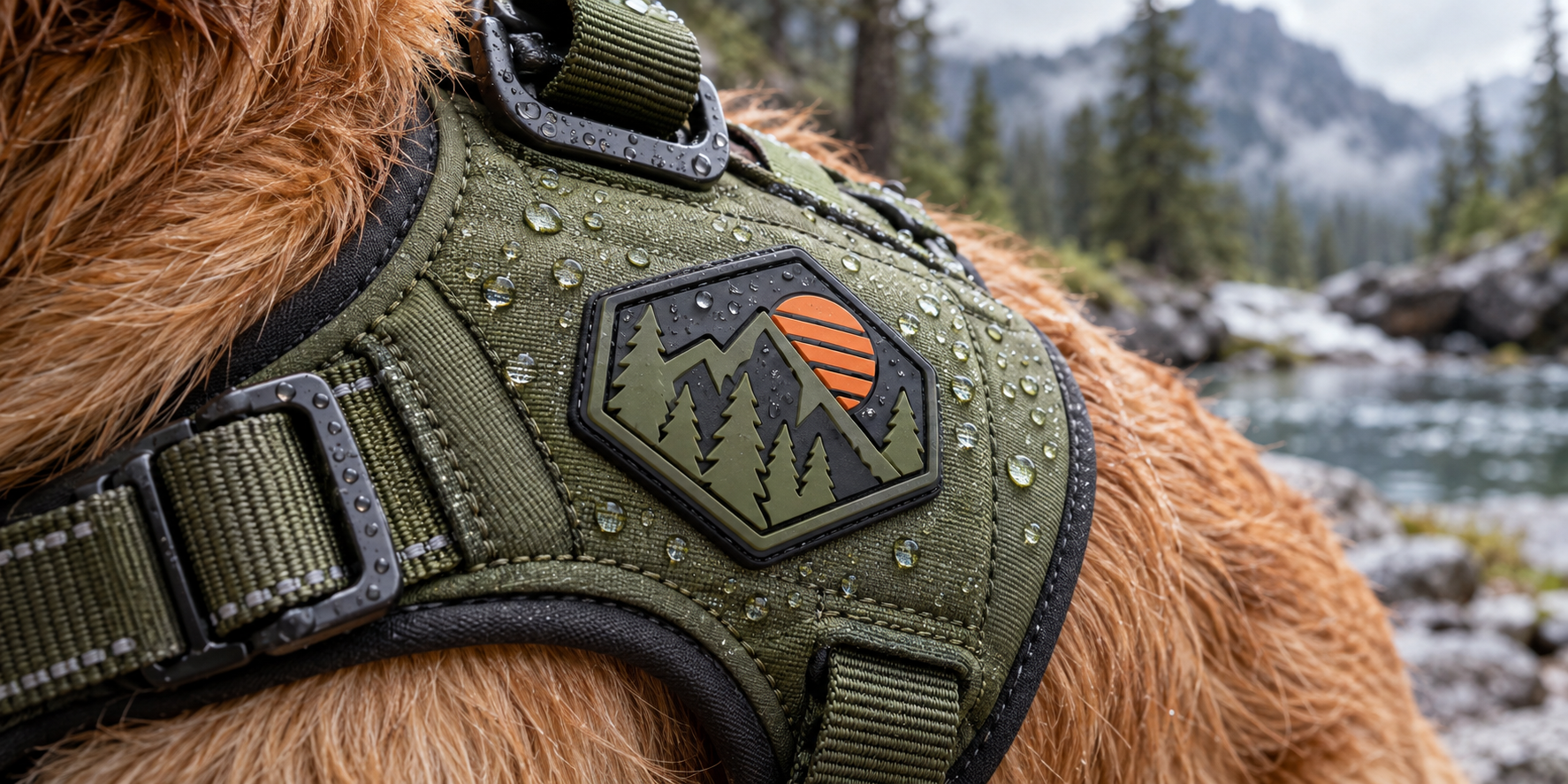
PVC patches are a game-changer for the outdoor and tactical pet gear market. They are made from a soft, flexible polyvinyl chloride that is molded layer by layer to create the design. This process allows for incredible depth and dimension, creating a true 3D effect that you can't get with thread. I've specified PVC patches for numerous adventure harnesses because they are practically indestructible. They don't snag, the colors don't fade from UV exposure, and you can simply wipe them clean with a damp cloth. Frank, when you are working on a project like a weatherproof gear collection or a custom harness for working dogs, PVC is a top contender. It communicates ruggedness and modernity. The ability to create recessed channels and multiple levels in the design gives you a lot of creative freedom to make a brand's logo pop in a unique and tactile way.
PVC/Rubber Patch: Key Considerations
| Aspect | Strength | Weakness |
|---|---|---|
| Durability | Unmatched; waterproof, fade-resistant, won't fray. | Less "traditional" look; may not suit all brand aesthetics. |
| Detail | Excellent 3D detail and color separation. | Not suitable for photographic gradients (color blending). |
| Feel | Modern, tactical, and rubbery. | Can be heavier and less flexible than fabric patches. |
When is a Printed Patch the Only Option?
Your design includes a photograph or a graphic with complex color gradients. Embroidery, weaving, and PVC can't reproduce the subtle shifts in color, leaving you without a viable patch option.
A printed patch is the only option when your design requires photorealism, gradients, or an unlimited color palette. The design is dye-sublimated directly onto a fabric base, allowing for a perfect, full-color reproduction of any image.
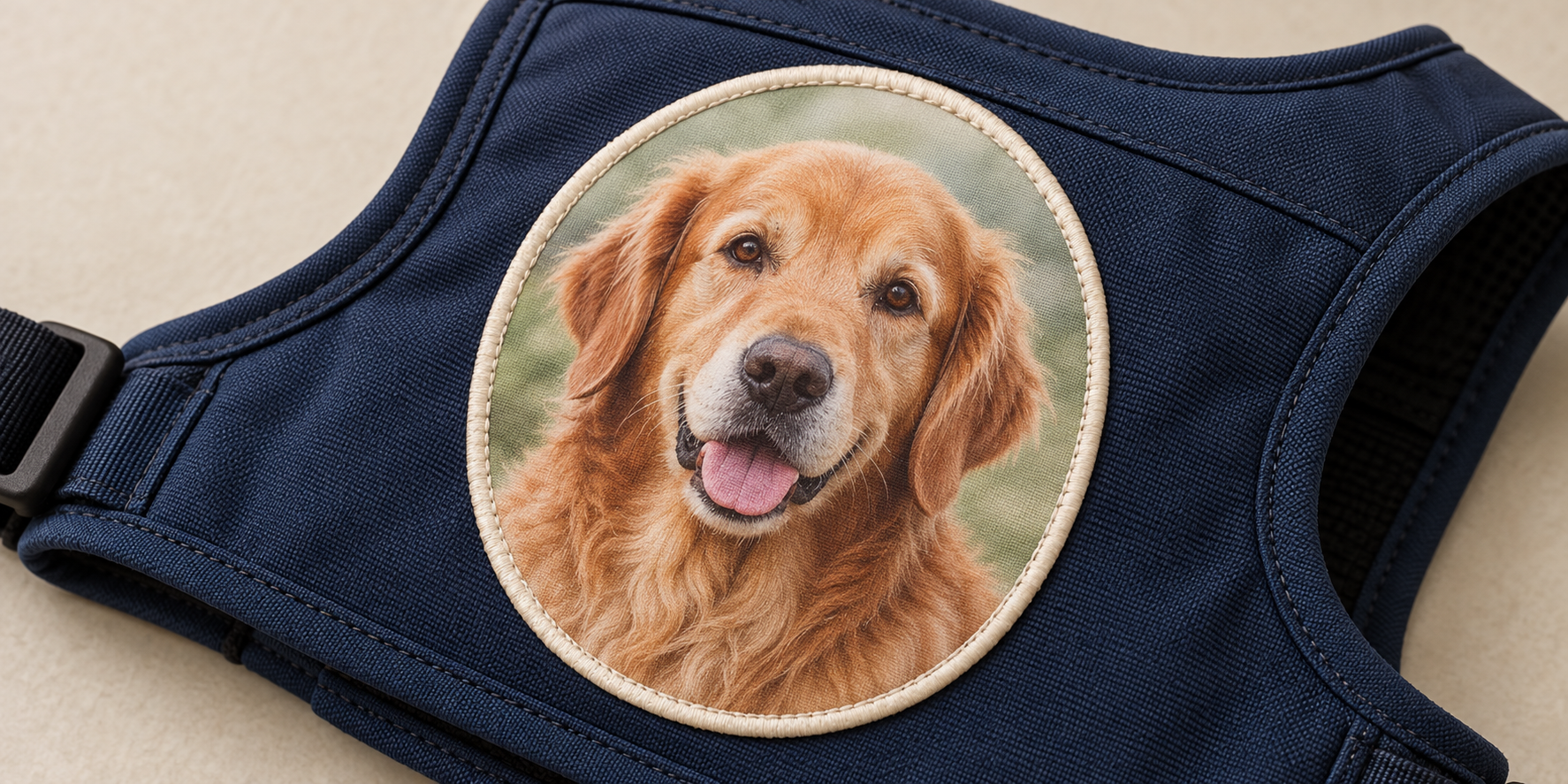
Printed patches, specifically those made with dye-sublimation, solve the problem of photorealism. This technology works by using heat to transfer dye directly into the polyester fabric of the patch, essentially staining the fibers permanently. The result is a vibrant, full-color image that has no texture and is incredibly durable. The print will not crack, peel, or fade over time. I once consulted for a non-profit that created custom vests for therapy dogs, and they wanted to include a small, full-color picture of the dog on the vest. A printed patch was the perfect, and really the only, solution. Frank, if your project ever involves reproducing a photograph, a painting, or any digital art with smooth gradients, this is your go-to method. It opens up a world of creative possibilities that are impossible to achieve with threaded or molded patches, offering a completely flat, seamless, and high-fidelity finish.
Printed Patch: Key Considerations
- Photorealism: The only method that can perfectly reproduce photos and complex color gradients.
- No Texture: The design is completely flat, which may not be desirable for brands wanting a more tactile feel.
- Durability: The dye is infused into the fabric, making it extremely resistant to fading and wear. It's as durable as the fabric itself.
Conclusion
Choosing the right patch—embroidered, woven, PVC, printed, or leather—is crucial. Your choice impacts detail, durability, and brand perception, so match the patch type to your product's specific design goals.