Should I Choose Sublimation or Screen Printing For My Lanyards?
Choosing the wrong lanyard print method can leave your brand with a blurry logo or a cracked design. This small detail can make your whole company look cheap.
For complex, multi-color, or photographic logos, choose dye sublimation. For simple, 1-2 color logos where budget is a top priority, choose screen printing. The best method depends entirely on your design's complexity and your desired quality.
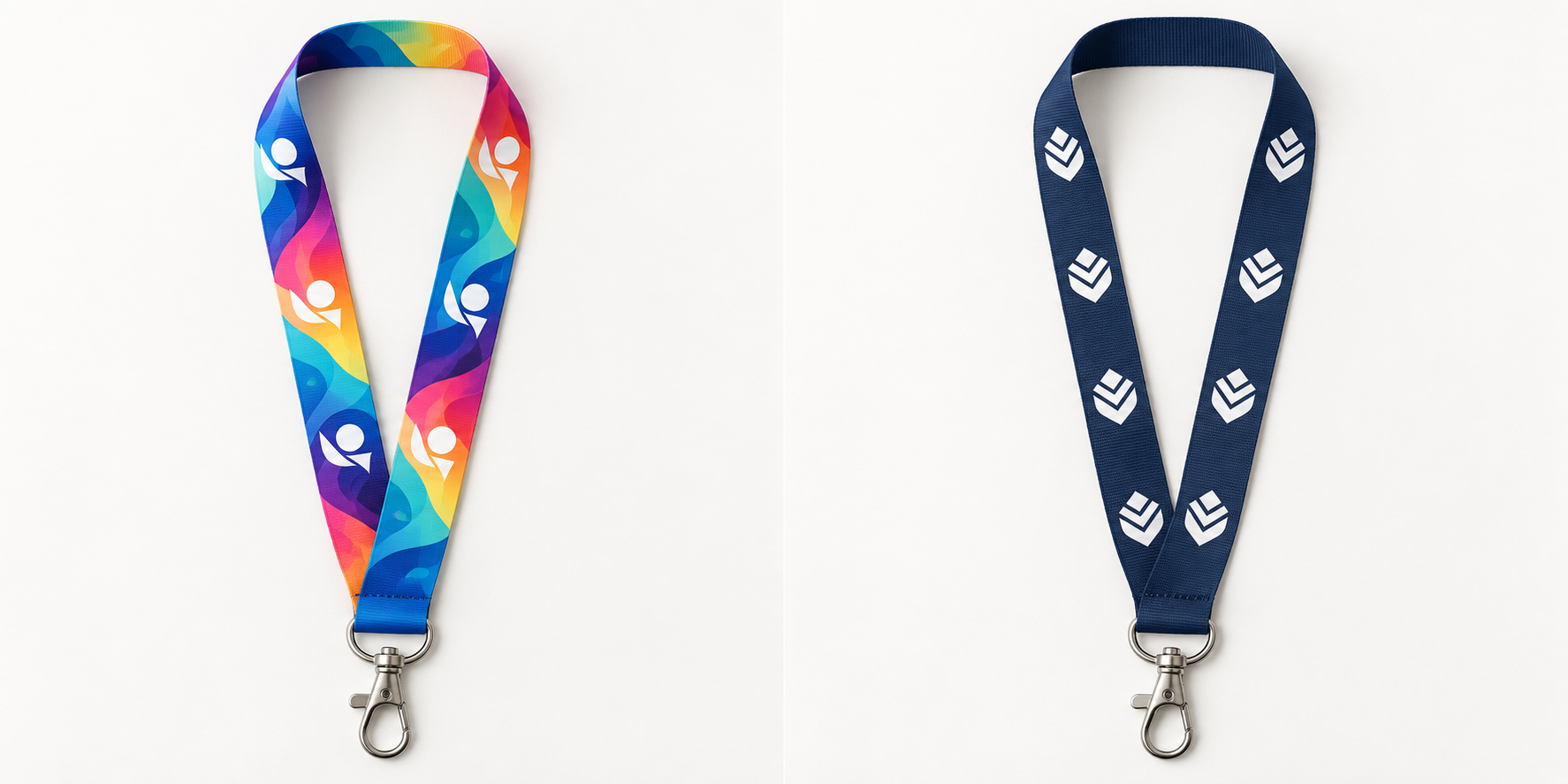
As a designer, I've managed production for countless promotional items, and lanyards are a classic. The choice between sublimation and screen printing is one of the first decisions you have to make, and it impacts everything from cost to the final feel of the product. It’s not just about looks; it’s about matching the print method to your brand’s standards. Let's dig into which one is right for your project.
When Is Dye Sublimation the Right Choice?
Worried your detailed logo will look like a blurry mess on a lanyard? Or that your vibrant colors will appear dull and faded?
Dye sublimation is the perfect choice for any design that is complex, has gradients, uses multiple colors, or requires edge-to-edge printing. The process infuses ink directly into the fabric, resulting in a vibrant, permanent, and smooth-to-the-touch finish.
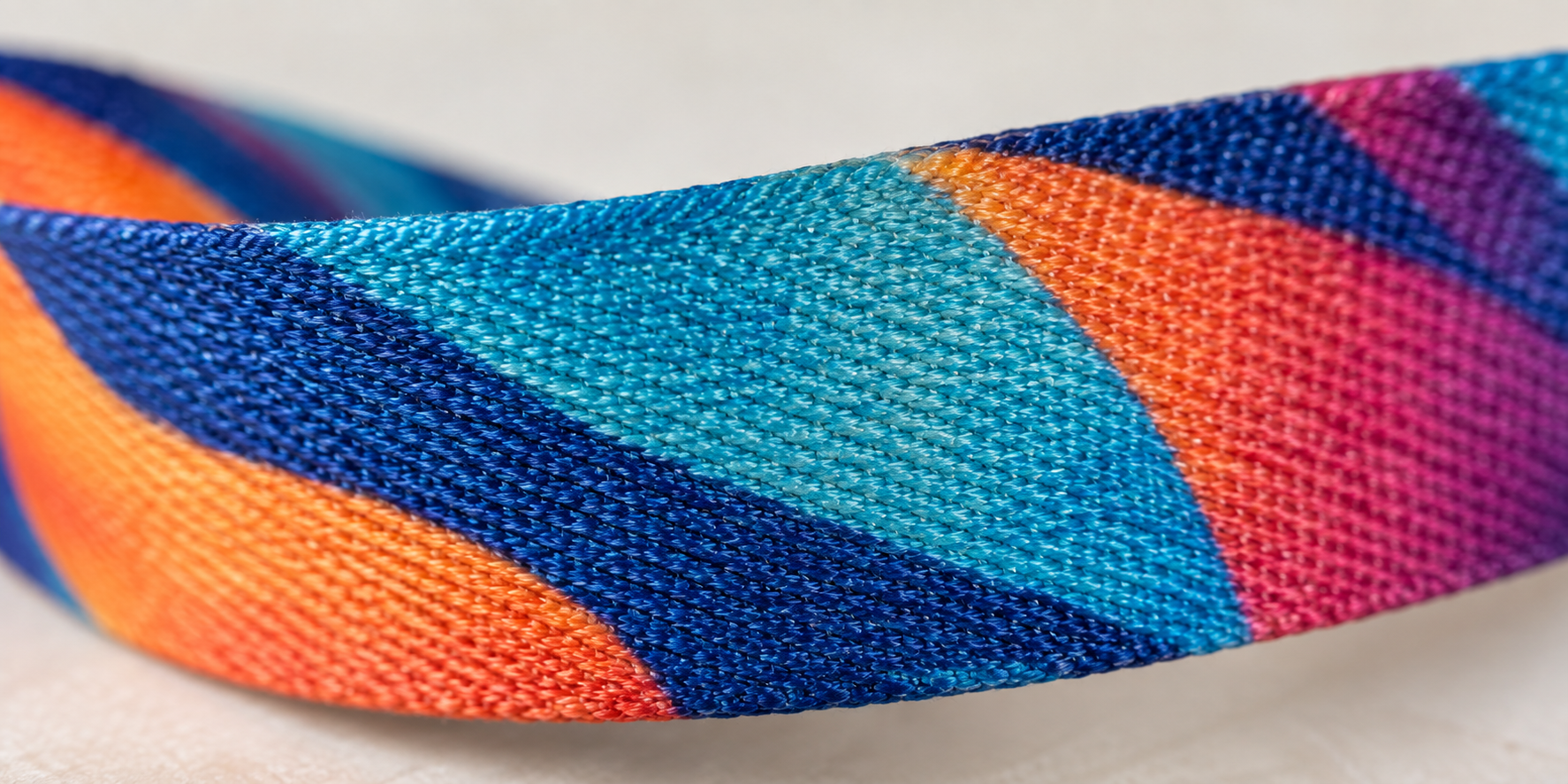
I recommend sublimation to most of my clients who are serious about brand presentation. The results are just superior for complex graphics. I once had a client in the pet tech space with a beautiful gradient logo. Screen printing would have been a disaster; it can't reproduce gradients smoothly. We chose dye sublimation, and the final lanyards were stunning. The color transition was flawless, and the lanyards had a premium, silky feel because there was no raised ink. It's a digital process, which means what you see on your screen is incredibly close to what you get in your hand.
How Sublimation Works
The magic of sublimation is in the science. It's a two-step heat transfer process.
- Printing: Your design is first printed with special sublimation inks onto a sheet of transfer paper.
- Transfer: The paper is laid on top of the polyester lanyard fabric and then put into a heat press. The high temperature turns the ink into a gas, and the pressure forces it directly into the polyester fibers. The ink becomes a permanent part of the material itself.
Best Use Cases for Sublimation
This method is the only option for certain designs.
| Feature | Why Sublimation is Best |
|---|---|
| Complex Logos | Perfect for intricate details and logos with more than 3-4 colors. |
| Gradients | Smoothly reproduces color fades and transitions without any banding or stepping. |
| Photographs | Can print photorealistic images with high fidelity, something impossible for screen printing. |
| Full Coverage | Allows for edge-to-edge printing, so your design can cover the entire surface of the lanyard. |
When Should I Stick With Screen Printing?
Working with a tight budget and a simple logo? Sublimation might be overkill, potentially costing you more than you need to spend for a great result.
Screen printing is the ideal, cost-effective choice for simple, bold designs with one or two solid colors. Its lower setup cost for straightforward jobs makes it perfect for large volume orders where budget is a key factor.
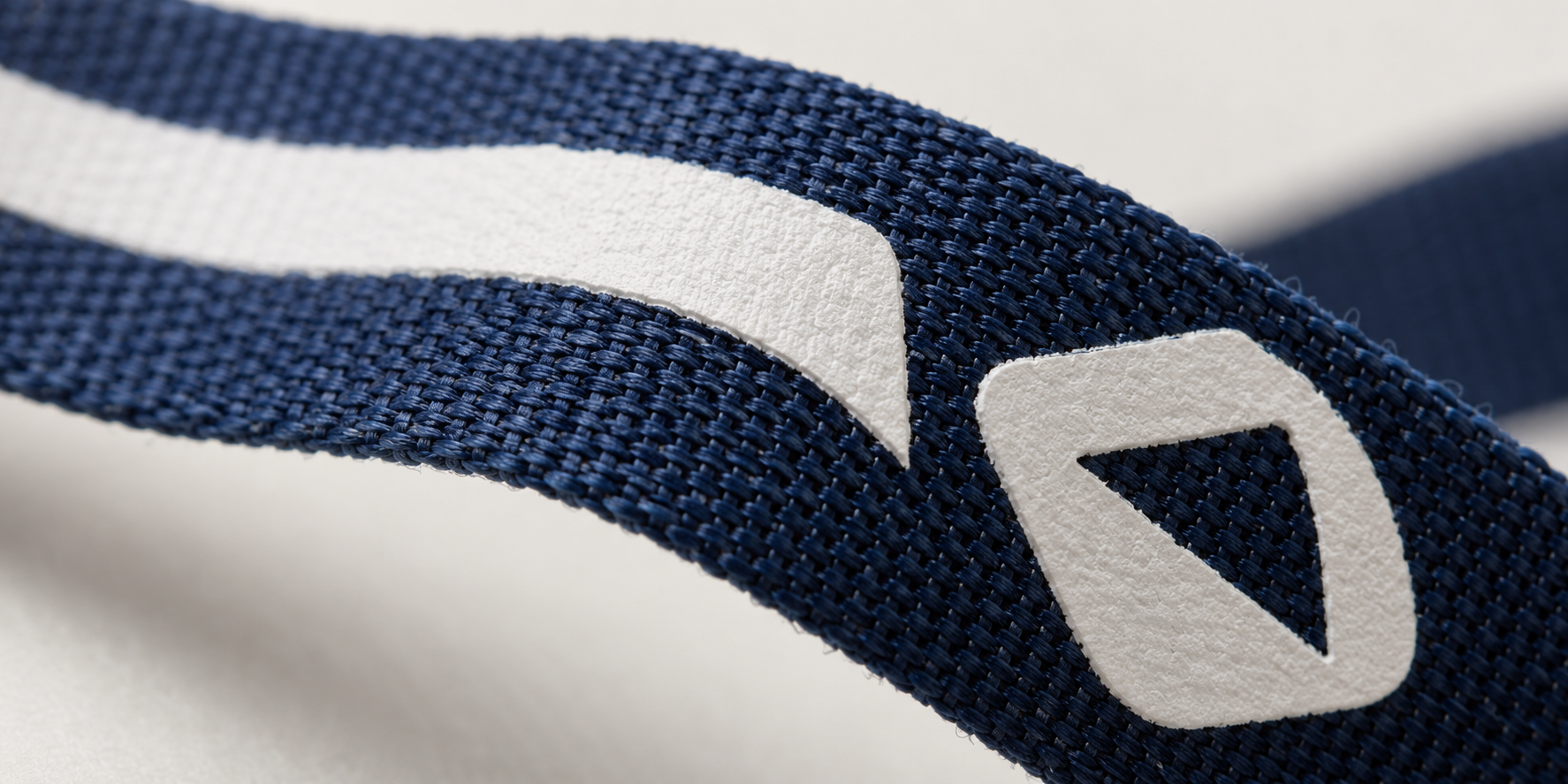
Don't mistake screen printing for a "bad" option. For the right job, it's the smart option. I often work with non-profits and event organizers who need thousands of lanyards for volunteers or attendees. Their logo is usually a simple, one-color design. In these cases, screen printing is the hero. It delivers a crisp, bold print at a fraction of the cost of sublimation for that specific type of artwork. The key is understanding its limitations. It works by pushing ink onto the fabric, so the ink sits as a thin layer on top. This is why it's best for bold shapes and not fine details.
How Screen Printing Works
It's a classic, effective technique that has been used for decades.
- Screen Creation: A fine mesh screen is created for each color in your design. A stencil of your design blocks out parts of the screen.
- Ink Application: The lanyard material is laid flat, and the screen is placed on top. A squeegee pushes a thick ink across the screen, forcing it through the open areas of the stencil and onto the fabric.
- Curing: The lanyard is then passed through a dryer to cure the ink, making it durable.
For a two-color logo, this process is repeated with a second screen and second color. This is why costs increase with each additional color.
How Do Cost and Durability Compare Directly?
You need to justify your choice to your team, which means you need to know the facts on cost and long-term wear. Which method gives you the best value and longevity?
Sublimation is more durable as the design is permanent and can't crack or peel. Screen printing is more budget-friendly for simple, high-volume orders but the ink can wear over time. The setup costs are also a key difference.
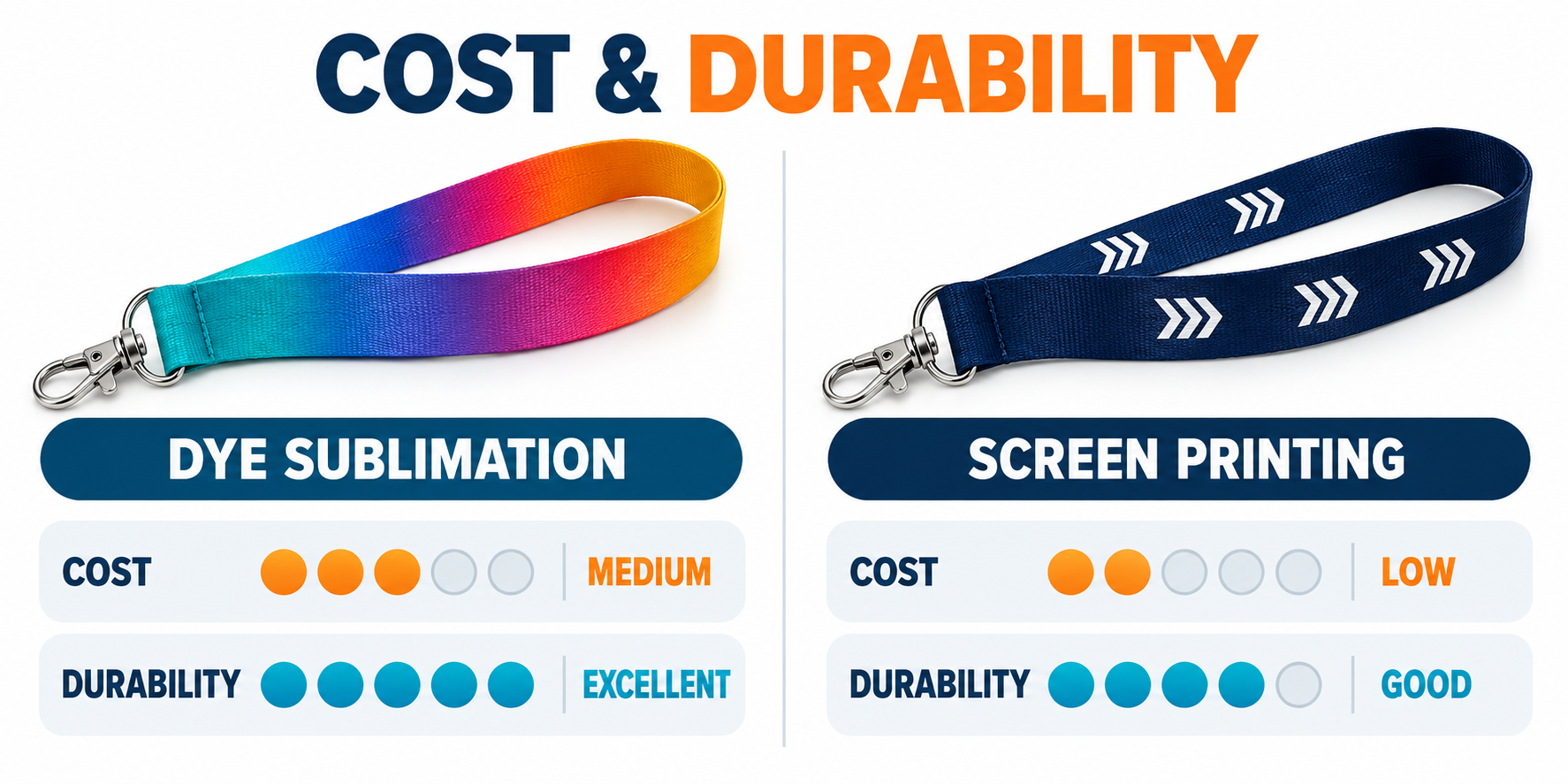
This is the trade-off I discuss with every client. If the lanyard is for a one-day event, the long-term durability of screen printing is perfectly fine. If you're creating lanyards for your staff to wear every single day for a year, the extra investment in sublimation is absolutely worth it. The ink from a screen print, being a physical layer, can eventually crack or peel off with constant friction and washing. A sublimated design will last as long as the fabric itself because the ink isn't on the surface—it is the surface. From a cost perspective, screen printing has a setup fee per color. Sublimation is digital, so there's no per-color setup, making it more competitive on small runs of multi-color designs.
Head-to-Head Comparison
| Feature | Dye Sublimation | Screen Printing |
|---|---|---|
| Design Complexity | Excellent (Unlimited colors, photos, gradients) | Poor to Fair (Best for 1-2 solid colors) |
| Feel / Texture | Perfectly smooth, no texture | Slightly raised ink layer |
| Durability | Excellent (Permanent, cannot crack or fade) | Good (Ink can crack or peel with heavy use over time) |
| Setup Cost | Low to none (Digital process) | Moderate (A new screen is needed for each color) |
| Per-Unit Cost | Moderate | Low (Especially at high volumes with few colors) |
Conclusion
Choose sublimation for vibrant, complex, and durable designs with a premium feel. Opt for screen printing for simple, bold logos on a budget, especially for large quantity orders.