Embroidered vs Woven Patches: Which Is Better?
Struggling to choose between embroidered and woven patches for your new product? The wrong choice can ruin a great design, making it look cheap or illegible.
Woven patches are better for detailed designs, while embroidered patches offer a classic, textured feel. The "better" option depends entirely on your artwork's complexity, the texture you want, and the product your patch will go on.
As a product designer, I've faced this exact decision on hundreds of projects, from dog harnesses to branded gear. It’s not just about aesthetics; it's about representing your brand identity correctly. One choice gives you rugged texture, the other gives you sharp precision. Understanding the fundamental differences is the key to making the right call every time. Let's dig into the details so you can choose with confidence.
What Is the Main Difference Between Embroidered and Woven Patches?
Are you confused by the terms "embroidered" and "woven"? Using them incorrectly can lead to production mistakes and a final product that looks nothing like you imagined.
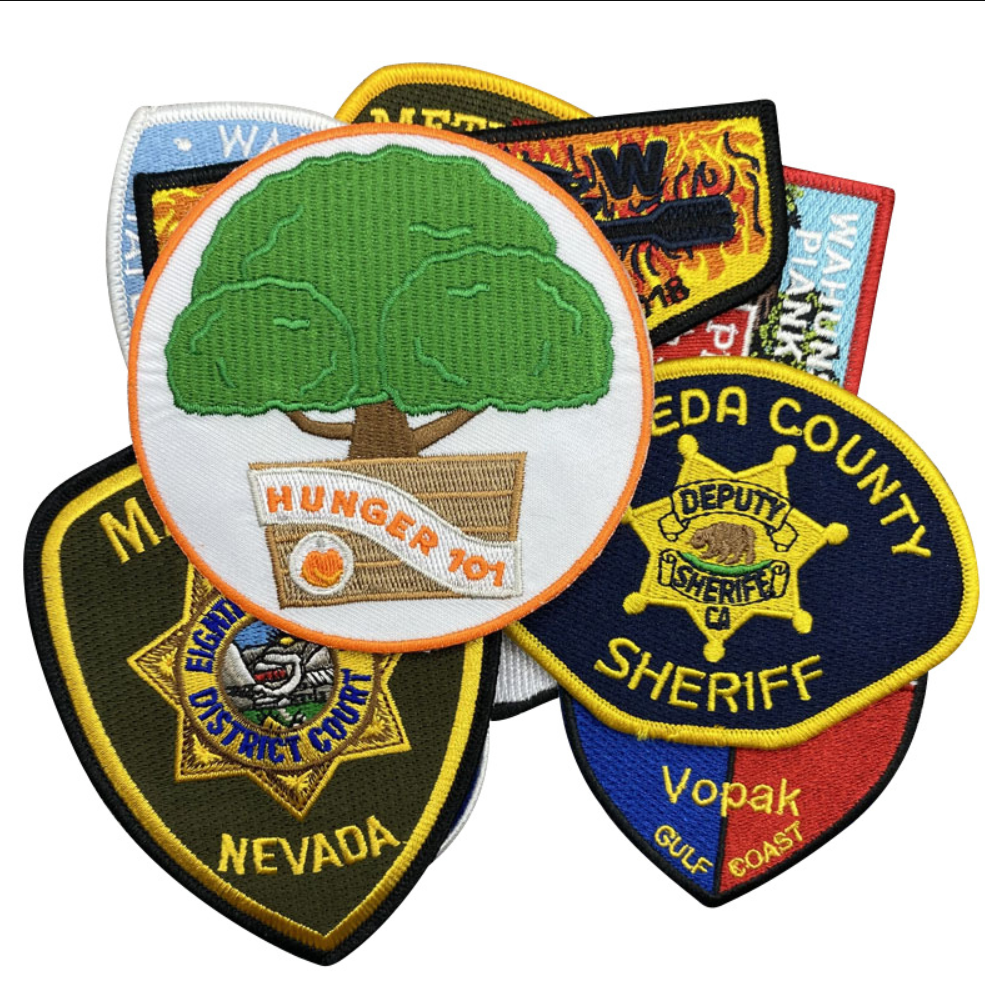
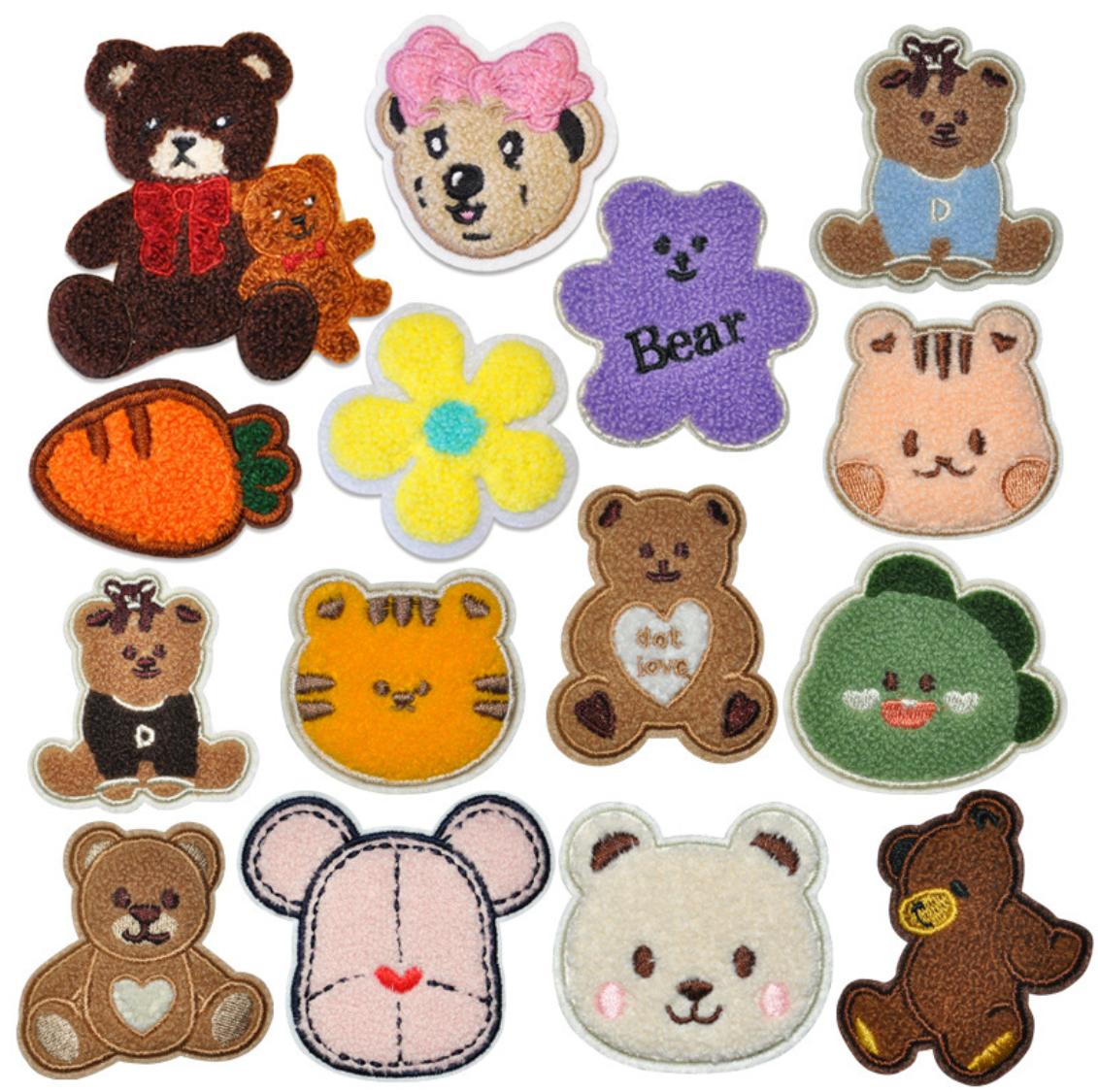
The main difference is in their construction. Embroidered patches use thicker threads stitched onto a base material, creating a raised, 3D texture. Woven patches use very thin threads woven together to create the entire design, resulting in a flat, smooth, high-detail surface.
I remember one of my first projects where I didn't specify the patch type clearly enough. I was expecting a detailed woven patch for a small branding label on a dog collar, but I received a thick, clunky embroidered patch where the text was unreadable. It was a costly lesson in the importance of knowing the manufacturing process. An embroidered patch is built up with stitches, layer by layer. A woven patch is created all at once, like a tiny piece of fabric. This single difference in construction dictates everything about the patch's final look, feel, and best use case.
Construction: Stitching vs. Weaving
This table breaks down the core differences I always reference in my design specs.
| Feature | Embroidered Patch | Woven Patch |
|---|---|---|
| Thread | Thick, like yarn | Thin, like sewing thread |
| Texture | Raised, 3D, tactile | Flat, smooth, no texture |
| Detail Level | Low to medium | Very high, photorealistic |
| Background | Usually a non-threaded twill base | The entire surface is woven |
Visual Impact: Texture vs. Detail
Ultimately, the choice comes down to your primary goal. If you want someone to feel the quality and durability of your logo with its classic, raised texture, choose embroidery. If you want them to see every intricate detail of your design with perfect clarity, choose woven.
When Should I Choose an Embroidered Patch?
Want a classic, durable look for your brand but worried your design won't work? You're afraid an embroidered patch might look clunky or lose important details.
Choose an embroidered patch for bold, simple logos with minimal text. They are perfect for creating a traditional, textured, and rugged feel on products like hats, jackets, and heavy-duty gear where a 3D effect is more important than fine detail.
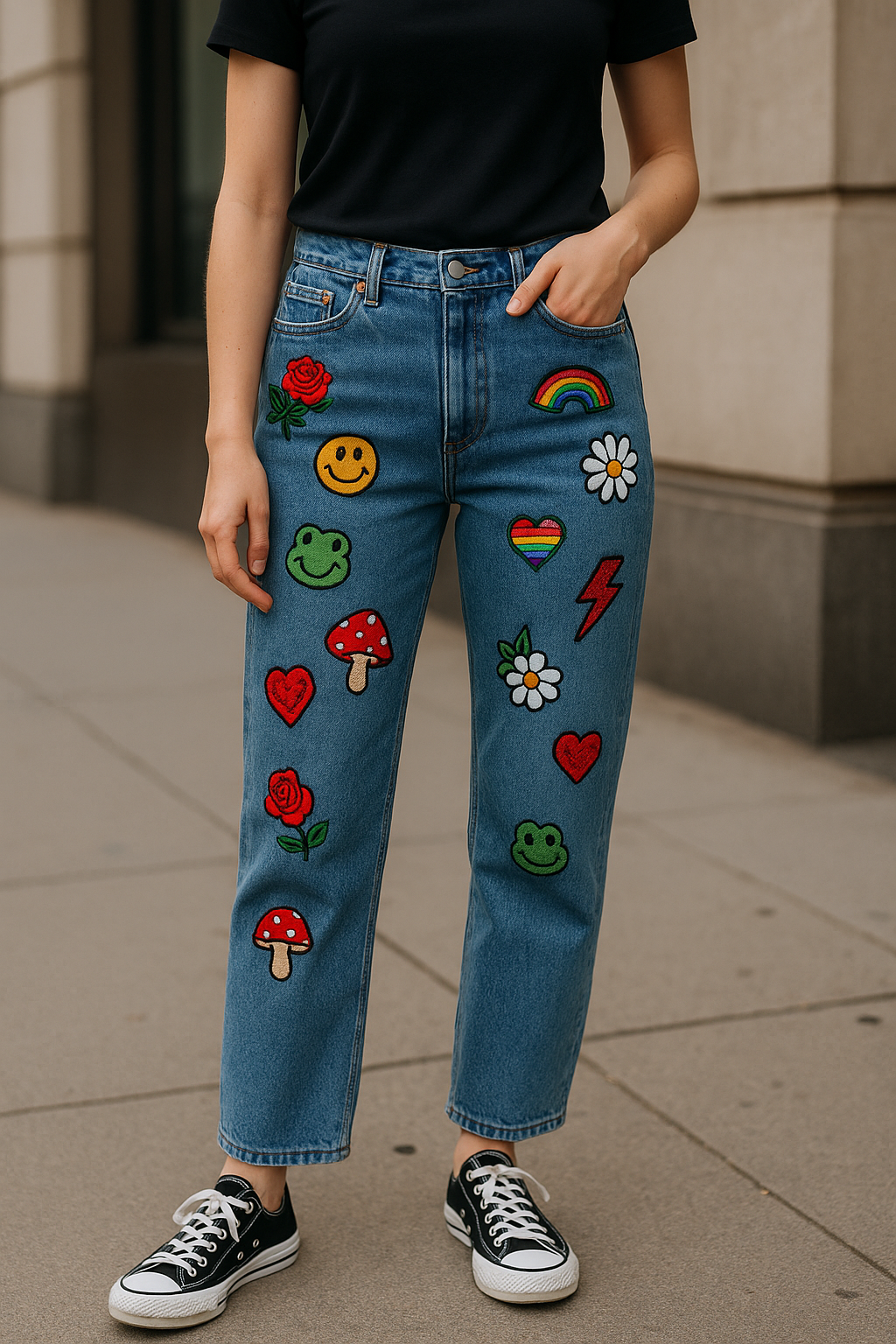
Embroidered patches are the go-to for a reason. They have a timeless, premium feel that people associate with quality. For many of the dog vests and outdoor gear I've designed, the slightly raised, sturdy feel of embroidery is exactly what's needed to communicate toughness and durability. The thicker threads are incredibly resilient and stand up well to abrasion, which is a must for pet products. Think of a classic varsity jacket or a military-style patch—that's the powerful, tactile statement an embroidered patch makes. It’s less about tiny details and more about a bold, dimensional presence.
Best for Bold Designs
The thicker thread of embroidery cannot replicate very fine lines or small letters. To be legible, text on an embroidered patch should be at least 1/4 inch high.
Durability and Feel
Choose embroidered when your primary goals are:
- Creating a 3D, textured feel: You want the logo to literally stand off the product.
- Communicating durability and tradition: Your brand has a rugged, classic, or outdoor-focused identity.
- Using a simple logo: Your design consists of bold shapes and minimal text.
- Applying to heavy fabrics: They pair perfectly with denim, canvas, and heavy cottons.
When Is a Woven Patch the Better Choice?
Is your logo detailed and intricate? Are you worried that an embroidered patch will turn your beautiful design into an unrecognizable, blurry mess?
A woven patch is the better choice for complex designs with fine lines, small text, or gradient colors. Because it uses thinner threads, it can capture photographic-like detail that is impossible to achieve with embroidery.
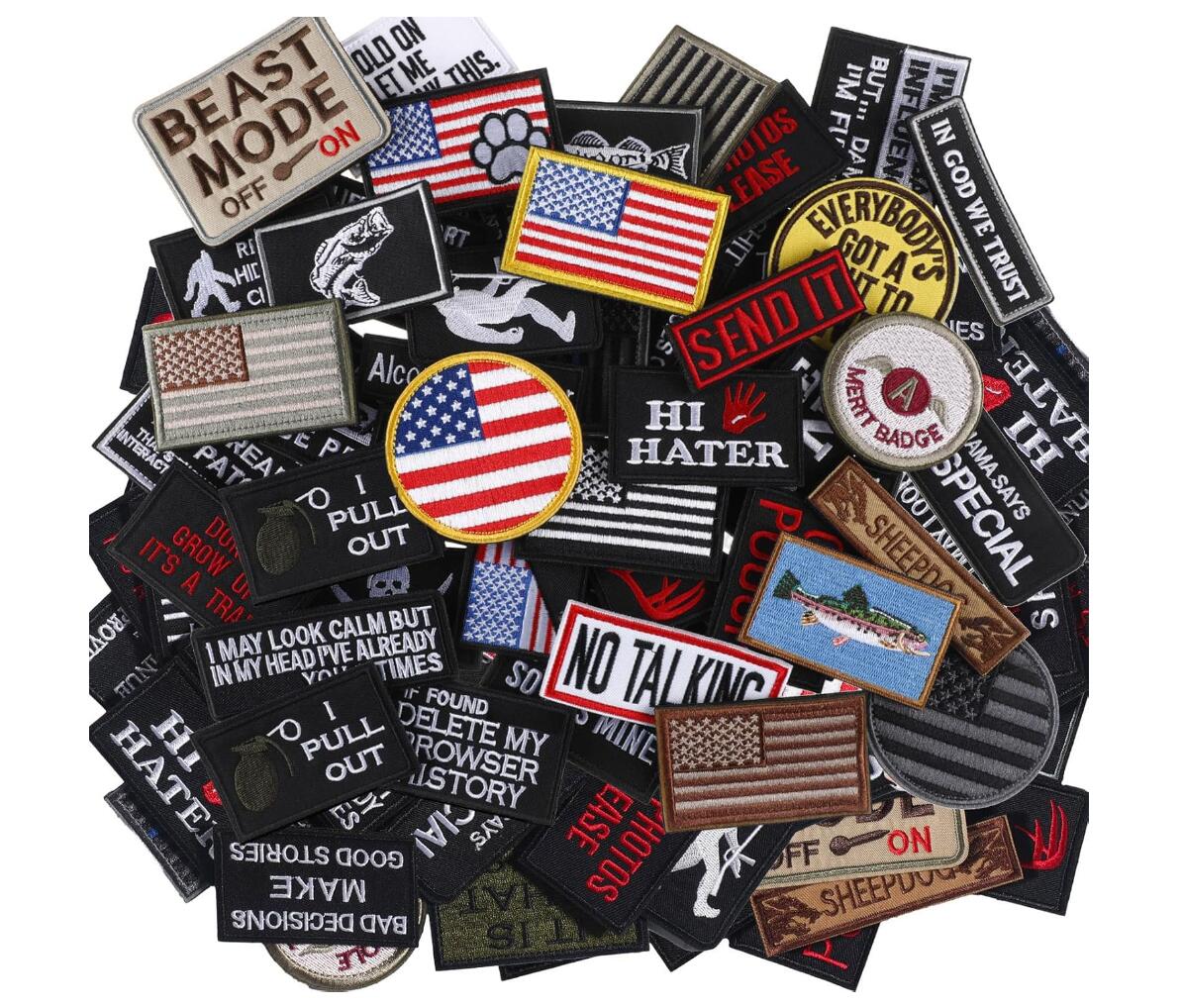
In my consulting work, I often help brands translate their detailed print logos into physical products. This is where woven patches are a lifesaver. I once worked with a pet fashion brand whose logo was a delicate, intricate crest. An embroidered sample looked terrible; it was just a blob of thread. Switching to a woven patch was a game-changer. Every tiny line, every small letter was perfectly crisp and clear. Because the entire patch is woven, you can get incredibly precise, edge-to-edge detail. They are flat and flexible, making them ideal for applications where a bulky embroidered patch would be awkward.
Best for Clean, Modern Designs
If your brand identity is clean, modern, and detail-oriented, a woven patch will represent you more accurately.
Precision and Flexibility
Choose woven when your primary goals are:
- Capturing intricate detail: Your logo has fine lines, small text, or complex shapes.
- Achieving a flat, modern look: You want the patch to look more like a printed label.
- Creating gradients: The weaving process allows for smooth color transitions.
- Applying to lightweight or sleek products: Their flexibility makes them great for performance wear or smaller items.
Conclusion
The choice is simple. For bold, textured, and rugged designs, choose embroidery. For detailed, precise, and modern logos, choose woven. Both are great, but only one is perfect for your design.